Japan in November: Fall Colors at Their Peak, Cool Nights, Fewer Crowds
Plan your trip
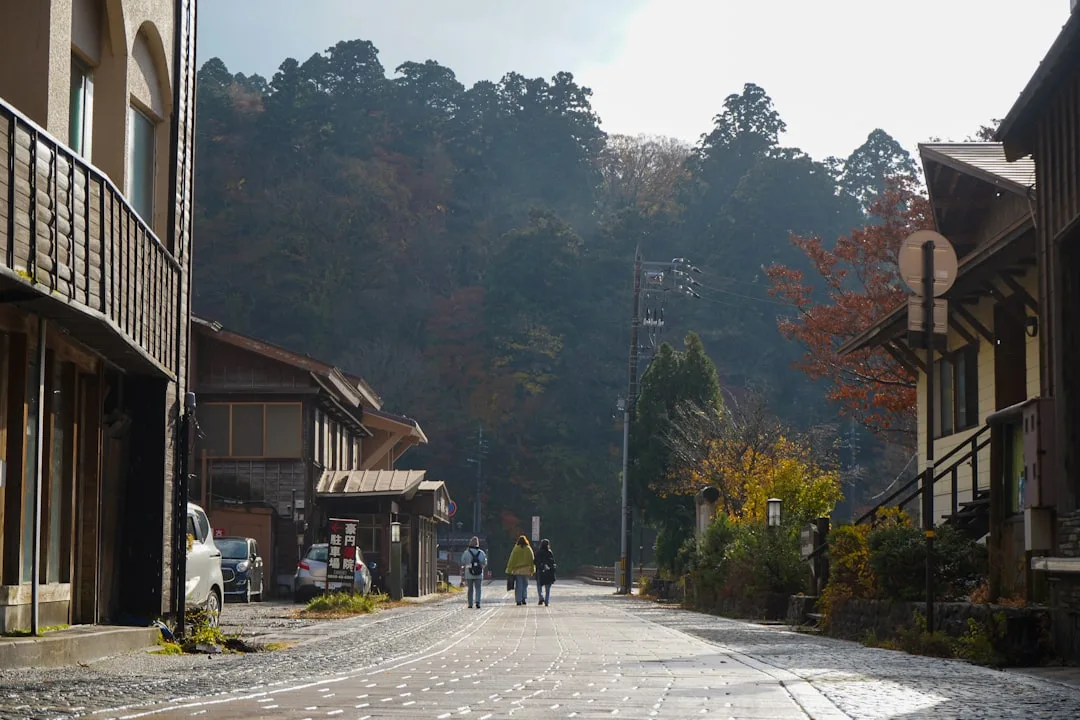
November is when Kyoto earns the photographs that people carry with them for the rest of their lives. Maple trees turn crimson and gold against stone garden walls, ginkgo trees line temple paths in yellow, and the light on November afternoons does something that makes even the most jaded traveler stop walking.
It’s the other great seasonal peak. Most travelers know about cherry blossoms. The regulars know about November.
Weather in November
November divides into two distinct phases:
Early November (1st–15th): Cool and dry. Tokyo around 16–20°C, Kyoto 14–18°C. Light jacket territory. Near-perfect walking weather.
Late November (16th–30th): Noticeably colder. Tokyo drops to 10–15°C, Kyoto to 8–13°C. Evenings require a proper coat. Morning visits to outdoor temple gardens will be cold — bring layers.
Hokkaido is already in pre-winter by November, with first snowfall possible in Sapporo by mid-month.
Rain is minimal in November — it’s one of Japan’s driest months, which also means crisp, clear days ideal for photography.
Fall Foliage Peak: Where and When
| Location | Typical Peak |
|---|---|
| Nikko | Late October–early November |
| Tokyo (Shinjuku Gyoen, Koishikawa) | Late November |
| Kyoto | Mid–late November |
| Osaka | Late November |
| Hiroshima / Miyajima | Late November |
| Nara | Mid–late November |
Kyoto in mid-to-late November is the main event. Every major temple and garden is transformed:
Tofuku-ji: The most spectacular single autumn foliage site in Japan. A wooden bridge over a gorge filled with thousands of maple trees in full crimson. Arrive before 8am or accept a long queue.
Eikan-do (Zenrin-ji): Evening illumination of maple trees reflected in the temple pond. One of the most beautiful night-time scenes in Japan. Illuminations run October 31–November 30.
Kinkaku-ji (Golden Pavilion): Gold reflected in still water, surrounded by autumn color. Crowded always — plan for it.
Rurikoin: A lesser-known temple in northern Kyoto where the floor inside the room reflects the maple trees outside like a mirror. Limited entry — book ahead online.
Arashiyama: The mountain backdrop turns gold and red. Less spectacular than the formal temple gardens, but the riverside bamboo + autumn color combination is unique.
Tokyo November Foliage
Tokyo’s foliage peaks in late November. Main spots:
Shinjuku Gyoen: One of the best places in Tokyo for autumnal ginkgo and maple. Entry ¥500.
Koishikawa Korakuen: Old Edo-period garden near Tokyo Dome. Maple, ginkgo, ponds. Beautiful and often overlooked.
Rikugien: One of Tokyo’s finest traditional gardens, with evening illuminations in November. The weeping cherry tree that stuns in spring is equally impressive framed by autumn maples.
Meiji Jingu Gaien: The famous ginkgo-lined avenue turns gold in November. Free, accessible, photogenic. Peak timing varies year to year — check local reports.
Hiroshima and Miyajima in November
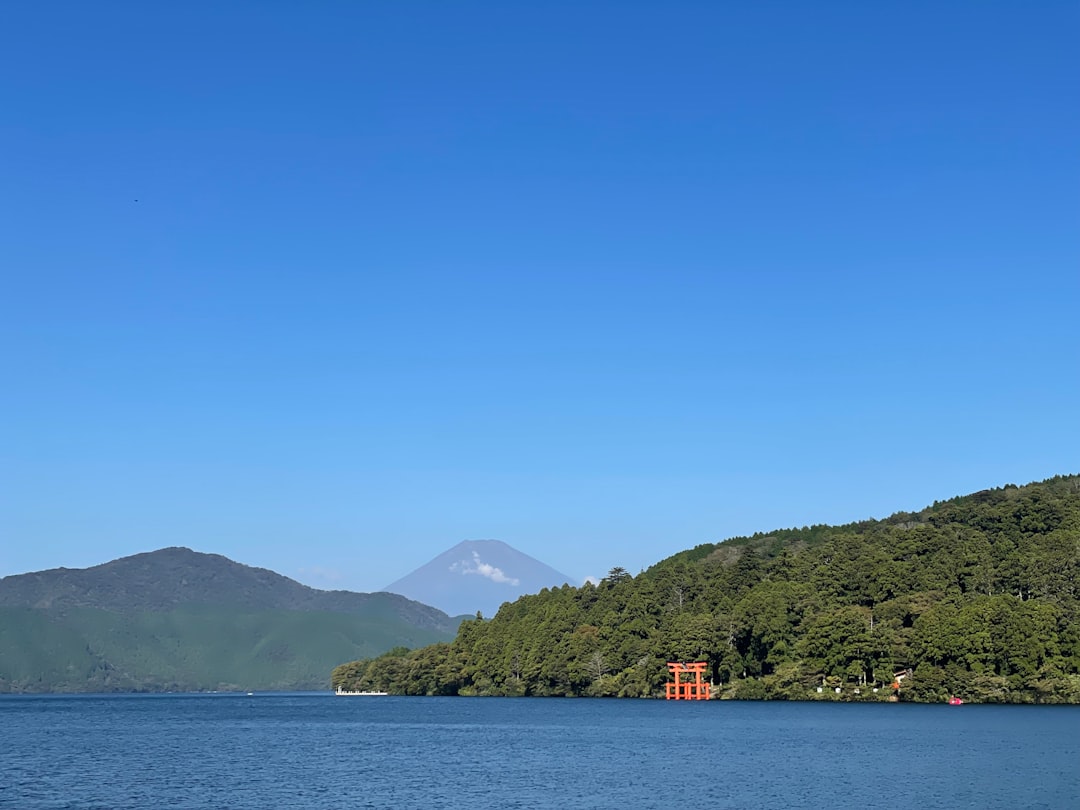
The timing works perfectly: Miyajima Island’s maple trees peak in mid-November, and the combination of the floating Torii gate and autumn color is extraordinary. The ferry crossing at sunset on a clear November day is one of the more peaceful travel experiences in Japan.
Hiroshima Peace Memorial Park also has autumn foliage, and November’s cooler weather suits the contemplative pace of the site.
Crowd Reality
November crowds are real — especially in Kyoto mid-to-late month. But they differ from spring in character: more contemplative, less festive. The hanami crowd (spring picnic culture) doesn’t translate to autumn — people come to look at temples, not to eat under trees with beer.
Practical crowd management:
- Tofuku-ji: absolute must-see, but get there before 8:30am or at dusk (illumination hours, fewer daytime visitors)
- Weekday vs weekend: A Tuesday in Kyoto in November is dramatically different from a Saturday
- Nara: 45 minutes from Kyoto/Osaka, sees a fraction of the foliage visitors. Isuien Garden and Yoshikien are exceptional in November.
Booking Timeline
Book Kyoto accommodation 2–4 months ahead for mid-to-late November. Ryokans with garden views during peak foliage can sell out further in advance.
Shinkansen reservations: 1 month ahead (when JR opens the window). Not as frantic as Golden Week but busy on weekends.
Budget
Similar to October — mid-to-high season pricing in Kyoto, standard elsewhere.
| Category | Cost |
|---|---|
| Budget accommodation | $40–65/night |
| Mid-range hotel (Kyoto) | $120–200/night |
| Ryokan with meals (Kyoto peak) | $200–400+/person |
| Meals | $8–50 depending on venue |
| 10-day trip budget | $2,200–3,800 |
November vs March: Which Peak Is Better?
| March (Sakura) | November (Koyo) | |
|---|---|---|
| Season length | 7–10 days peak bloom | 4–6 weeks gradual build |
| Crowds | Highest of the year | High, but less frenetic |
| Weather | Unpredictable (rain, wind) | Dry, stable, clear |
| Timing pressure | Extreme — miss it by 3 days and it’s over | More forgiving |
| Advance booking | 4–6 months | 2–4 months |
November is the easier great trip. The foliage doesn’t all fall overnight like cherry blossoms. You have more time, better weather, and marginally more accommodation availability.
The Verdict
November is the month that converts casual Japan visitors into regulars. Once you’ve seen Kyoto’s temple gardens in mid-November light, the photography makes sense. The experience sticks.
If cherry blossom season is impossible logistically or financially — November is not the consolation prize. It’s a different but equal experience, and in some ways a more beautiful one.
Plan your trip