Hama-Rikyū: Tokyo's Tidal Garden
Plan your trip
Hama-Rikyū Onshi Teien (浜離宮恩賜庭園) is a tidal garden — the large central pond connects to Tokyo Bay through sluice gates, and its water level rises and falls with the tide. The garden was the Tokugawa shogunate’s falconry and duck-hunting ground from 1654; the pond was enlarged for duck hunting using traditional ganshibari (duck lure) techniques, and the duck hunts continued into the Meiji period. Today it is a formal garden under the Tokyo Metropolitan Government, and one of the few places in central Tokyo where you can hear water rather than traffic.
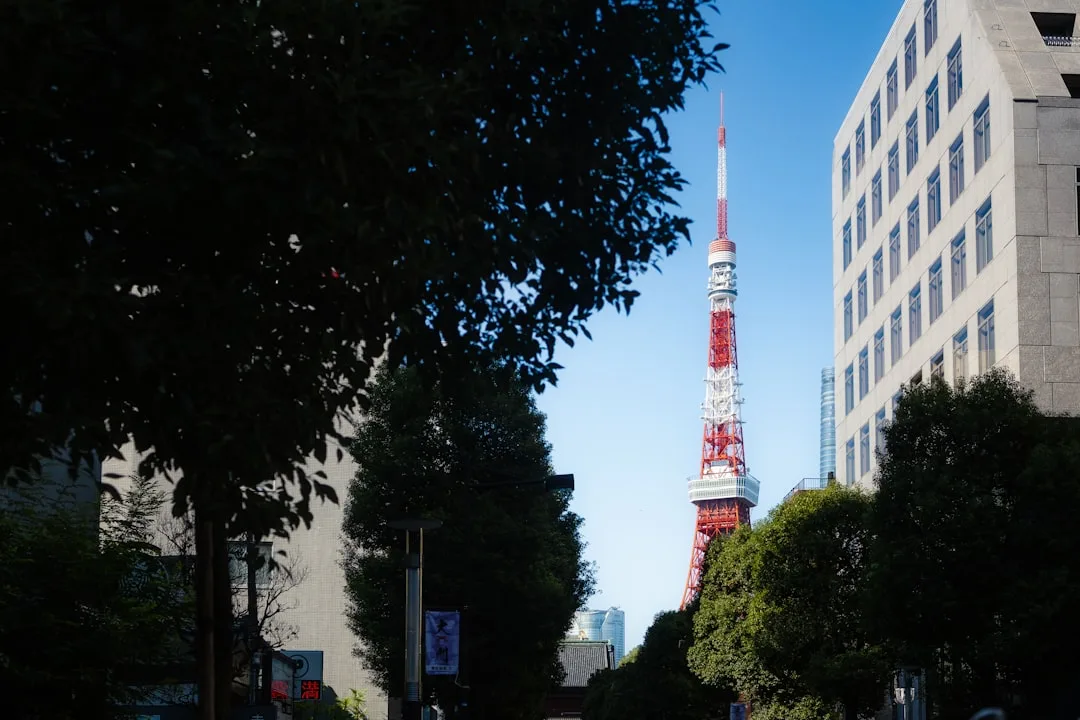
The contrast is specific: Hama-Rikyū sits at the south edge of the Shiodome media district, Tokyo’s cluster of high-rise towers visible from every point in the garden, their reflections cutting across the pond surface. This juxtaposition — 17th-century tidal garden, 21st-century office towers — is the whole experience.
The Garden Layout
The garden occupies 250,000 square meters at the mouth of the Sumida River, bounded on three sides by water and on the north by the Shiodome skyline.
Shioiri-no-ike (潮入の池): The large tidal pond at the garden’s center. Salt water enters from Tokyo Bay through sluice gates; the pond level changes with the tides. Three islands are connected to the main path by wooden bridges. The Nakajima no Ochaya (中島の御茶屋) teahouse sits on the central island.
Nakajima no Ochaya: An authentic tatami teahouse on the central island of the tidal pond, serving matcha and wagashi (Japanese sweets) to visitors. Sitting on the veranda of the teahouse looking across the tidal pond to the Shiodome towers and the pine trees is the Hama-Rikyū experience. ¥1,000 for matcha and wagashi. No reservation required; wait for a tatami seat by the water.
Three Hundred Year Old Pine Tree (三百年の松): A large black pine near the main gate, reportedly planted during the Tokugawa era and maintained by specialist pruning. The horizontal spread of the branches is the result of centuries of careful shaping.
Duck Blind / Ganshibari site (雁木): The preserved structure from the traditional duck hunting — a series of channels and blinds where hunters waited for ducks lured into proximity. No longer operational but preserved as a historical artifact of the garden’s original purpose.
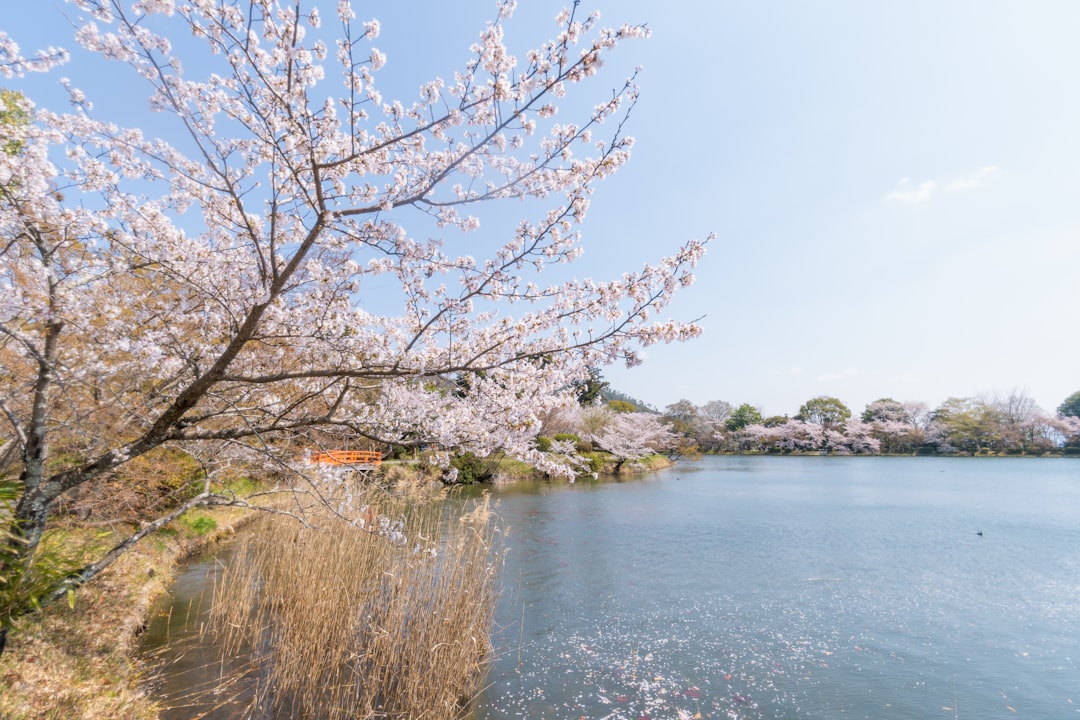
Flower calendar: Nanohana (canola, yellow) in February–March; Ajisai (hydrangea) in June; seasonal grasses (susuki) in October; Sakura (cherry blossom) along the paths in late March–early April.
The Sumida River Connection
The garden has a dock at its eastern edge where the Sumida River water bus (Suijo Bus) from Asakusa arrives and departs. The Tokyo Cruise Ship ferry connects Asakusa, Hamarikyu, and Odaiba — taking the water bus from Asakusa to Hama-Rikyū provides a different approach than arriving from the street.
Asakusa to Hama-Rikyū: 40 minutes, ¥760. The Sumida River route passes under Tokyo’s major bridges, past Tsukiji, and into the bay approach of the garden.
From Hama-Rikyū to Odaiba: Continue south to the Odaiba waterfront.
The water bus approach is significantly more interesting than arriving by foot — the garden’s original water-orientation means the riverside arrival is the intended approach.
Getting There
Shiodome Station (Yurikamome Line, Toei Oedo Line): Exit 8, then 5-minute walk south through the Shiodome towers to the garden’s north gate.
Tsukiji Shijō Station (Toei Oedo Line): The Tsukiji-side exit approaches the garden’s east entrance — useful when combining with a Tsukiji Outer Market visit.
Sumida River boat: Arrives at the garden’s dock — recommended for the approach experience.
Walking from Ginza: 15 minutes south from Ginza 4-chome on Chuo-dori.
Practical Notes
Hours: 9am–5pm (last entry 4:30pm). Closed Mondays (or the following Tuesday if Monday is a holiday) and December 29 – January 1.
Admission: ¥300/person. One of the better-value admission charges in Tokyo for the garden quality.
Time needed: 1–2 hours at a relaxed pace. The teahouse visit adds time but is the reason to linger.
Timing: The spring sakura period (late March–early April) is the most popular time; the cherry trees along the garden paths bloom against the Shiodome backdrop. The garden is also beautiful in autumn (October–November) and in winter, when the bare trees and still pond have a different quality.
Photography: The Nakajima teahouse on its island, with the Shiodome towers reflected in the tidal pond, is the signature image. Best light: early morning or late afternoon. The garden opens at 9am; arriving immediately at opening provides good light and few other visitors.
Combining with Tsukiji and Shiodome
Tsukiji Outer Market (10 minutes east on foot): Still operating as a food market for cooking supplies, sushi restaurants, and tamagoyaki (sweet egg) vendors after the main wholesale market moved to Toyosu. A breakfast of fresh sushi and tamagoyaki at Tsukiji, then a walk to Hama-Rikyū for the mid-morning, is one of Tokyo’s better half-day sequences.
Shiodome (adjacent to the north): The Nihon TV Towers, Shiodome City Center, and Caretta Shiodome form the immediate neighborhood — primarily offices and restaurants, with the Advertising Museum Tokyo if interested in Japanese commercial culture.
Odaiba: The water bus south from Hama-Rikyū reaches Odaiba in 25 minutes — the island’s waterfront, Daikanransha Ferris Wheel, and Palette Town are logical afternoon activities after the garden morning.
Plan your trip