Asakusa: Old Tokyo and the Temple It Was Built Around
Plan your trip
Asakusa is shitamachi — the low city, the working-class eastern Tokyo that predates the industrial district and the corporate towers. The neighborhood survived the 1923 earthquake poorly (it was a low wooden building district next to a river; fires burned for days) and the 1945 firebombing severely, but the commercial and cultural structure rebuilt quickly and maintained its identity through the postwar period. The result is the most continuous approximation of prewar Tokyo available.
Senso-ji is the dominant monument — the most visited temple in Japan, receiving 30 million visitors per year. The temple is worth seeing. The streets around it reward staying longer.
Senso-ji
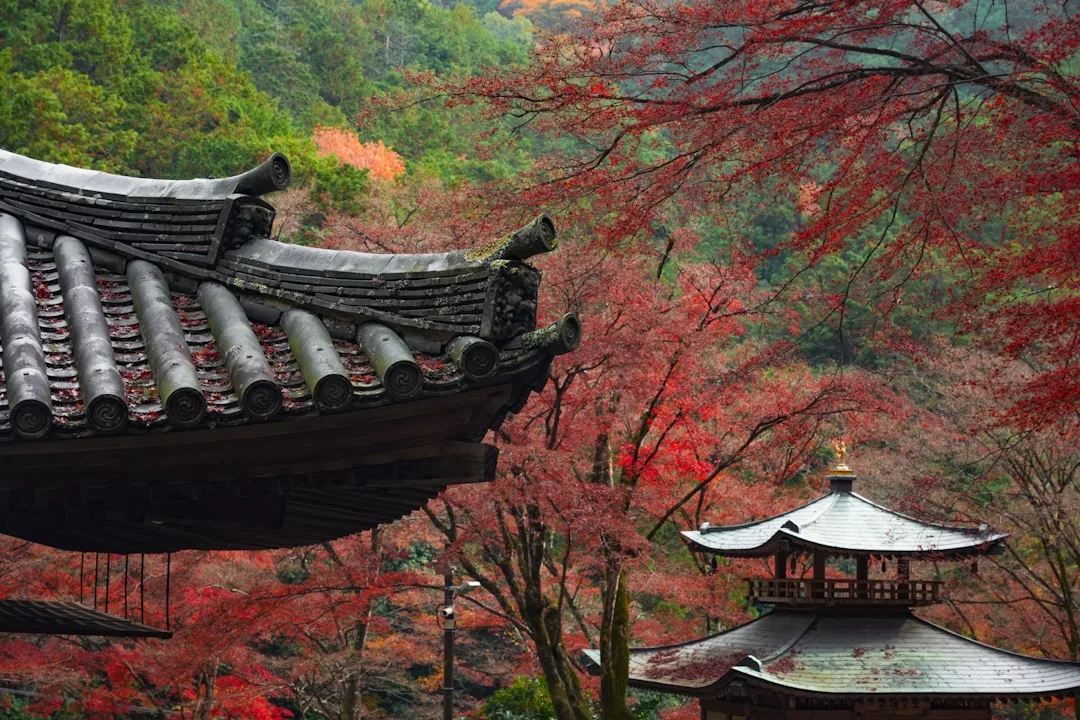
The Buddhist temple dedicated to Kannon (the bodhisattva of compassion), founded in 628 according to tradition — two fishermen pulled a small golden statue of Kannon from the Sumida River, and the local chieftain built a hall to enshrine it. The current gate and main hall date from the postwar reconstruction (1958–1968 rebuilds of structures destroyed in bombing).
Kaminarimon Gate (Thunder Gate): The large red gate at the southern entrance, with the enormous red lantern (3.9 meters, 670 kg) and the deity statues of Fujin (wind) and Raijin (thunder) flanking the entrance. This is the most photographed gate in Tokyo and the visual symbol of Asakusa. The correct time to photograph it is 6am, when the tourist stalls on Nakamise are shuttered and the gate stands in relative quiet.
Nakamise shopping street: The covered lane from Kaminarimon to the temple proper, lined with vendors selling sembei rice crackers, ningyo-yaki (small cakes in molds), tourist textiles, and Edo-period handicrafts. Some vendors have been in the same location for generations; some are selling the same goods as shops in the Akihabara souvenir district. The distinction is visible in the product quality.
Hozomon Gate and main hall: The second gate (with its own massive lantern, 4.5 meters, hung on the back side) leads to the main courtyard. The large incense cauldron (jokoro) in the courtyard: worshippers wave the incense smoke over their bodies toward areas where they seek healing. The smoke is thick and the ritual is genuine.
Main hall (Hondo): Remove hats. The hall is open; you can stand at the entrance and look in at the altar or purchase incense and candles at the side counters. Photography is permitted in the outer hall area but not directed at the altar itself in most sections.
Early morning: The temple grounds open at 6am (the inner hall later). At 6:15am on a weekday, the only people present are older residents doing their morning prayers and the occasional photographer. This is the correct version of Senso-ji. By 9am, tour groups have filled the Nakamise approach; by 11am, it is difficult to move.
Nakamise Side Streets and Craft Shops
The covered arcades immediately east and west of Nakamise are older than the main street and less touristy. The shops here sell to Japanese buyers as well as visitors:
Paper, fans, combs: The traditional crafts associated with Edo-period artisan culture — washi paper, folding fans (sensu), lacquered combs, wooden geta sandals. The shops are real; the products are functional. This is where to buy the things that have the word “traditional” attached without apology.
Ningyoyaki shops: The small cakes molded into Asakusa-specific shapes (pigeons, the five-story pagoda, Kaminarimon lantern) baked fresh in iron molds. Eating one while still warm is the appropriate introduction to the neighborhood.
Hanayashiki Amusement Park: The oldest amusement park in Japan (1853), occupying a small space immediately west of the temple complex. The rides are old and slow and charming. The roller coaster dates to 1953. Worth the ¥1,000 entry if you want to understand what a prewar urban amusement park looked like.
Kappabashi — Restaurant Supply Street
15 minutes walk northwest of Senso-ji on foot along Kaminarimon-dori, then north: the Kappabashi Dori kitchen district, a 200-meter stretch of wholesale restaurant supply shops that has operated here since 1912.
What’s sold: Professional-grade chopsticks, knives (Japanese kitchen knives are available here at prices significantly below retail elsewhere), rice cookers, serving dishes, lacquer trays, uniforms, signage — everything a restaurant needs. You do not need to run a restaurant to buy here; the shops sell to individuals at the same prices.
Plastic food samples (sampuru): The hyper-realistic plastic food displays seen in restaurant windows throughout Japan — originating in Osaka in the 1930s and now a significant craft industry — are sold here. The production process (painting, detailing, assembly) is skilled artisanal work; the objects are genuinely difficult to distinguish from real food at close range. Purchasing a plastic tempura prawn or a replica ramen bowl is a legitimate souvenir choice.
Kitchen knives: The knife shops in Kappabashi carry both the functional carbon steel (hagane) knives used in professional kitchens and the stainless clad knives for general use. The deba (fish cleaving), yanagiba (sashimi slicing), and usuba (vegetable) knives represent specialized forms developed for specific Japanese cutting techniques. Budget ¥3,000–15,000 for a good mid-range knife; serious hand-forged knives run ¥30,000+.
Sumida River and Surroundings
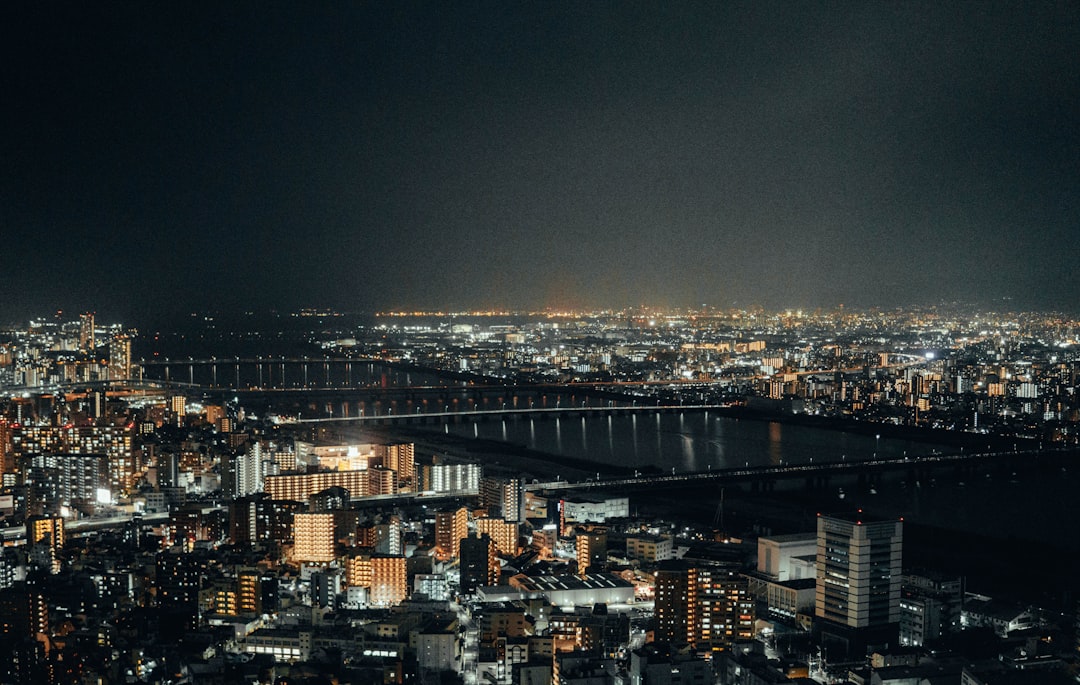
Sumida River walk: The riverside path from Asakusa Bridge (Azumabashi) south to Hamarikyu Garden runs 3km along the east bank. The Sumida-gawa is wide here; the view from the bridge takes in the Tokyo Skytree to the northeast and the central city in the distance. Flat, pleasant, good in the evening.
Tokyo Skytree (10 minutes walk from Senso-ji): The 634-meter broadcasting and observation tower opened in 2012, now the tallest structure in Japan. The two observation decks (350m and 450m) have clear views in all directions. Admission ¥2,100–3,100 depending on floor. The tower is visually dominant from Asakusa; whether the view from inside justifies the cost depends on your tolerance for observation deck queues. The Skytree Town complex at its base has shopping, restaurants, and an aquarium.
Asahi Beer Hall (Super Dry Hall): The building across the Sumida River from Senso-ji designed by Philippe Starck (1989), with the golden flame on its roof. The flame was intended to represent the head of a beer; Tokyo residents refer to the golden sculpture by other, less architectural names. The beer hall inside serves Asahi on draft.
Eating and Drinking in Asakusa
Kamiya Bar (1880): The oldest Western-style bar in Japan, on Kaminarimon-dori. Still serving the Denki Bran cocktail that made it famous — a blend of brandy, gin, wine, curaçao, and medicinal bitters developed in the Meiji period and served in small glasses for ¥270 (first floor self-service) or ¥500 (second floor with service). The building is original Meiji architecture; the format has not changed.
Tempura: Asakusa is historically associated with tempura — one of the shitamachi foods developed for the urban working class. Daikokuya Tempura (est. 1887) is the institution; expect a queue. The tendon (tempura rice bowl) here is dark soy-based, richer and heavier than the style popularized in tourist-oriented restaurants.
Unagi (eel): The restaurants along the smaller streets behind the temple serve broiled eel over rice at prices that feel high (¥3,000–5,000) until you understand the preparation time (eel unagi requires 2–4 hours of preparation from live to served).
Hoppy Street (Hoppy-dori): The street running west of the temple market, with standing and seated bars serving hoppy — a low-alcohol barley beer developed in the 1940s as a cheap sake alternative during postwar rationing. The street has been serving this way since then. A glass of hoppy with naka (the spirit to mix with it) and a plate of motsu (offal) is the Asakusa bar experience.
Practical Notes
Getting there: Asakusa Station is served by the Ginza Line (oldest subway in Asia, opened 1927), the Asakusa Line, and the Tobu Skytree Line. From Ueno: 5 minutes. From Shinjuku: 30 minutes. From Shibuya: 30 minutes.
Rickshaws (jinrikisha): Human-pulled rickshaws operated by young men in happi coats offer tours of the Asakusa area. The prices are high (¥4,000–8,000 for a short circuit) but the view from the rickshaw of the temple approach is specific.
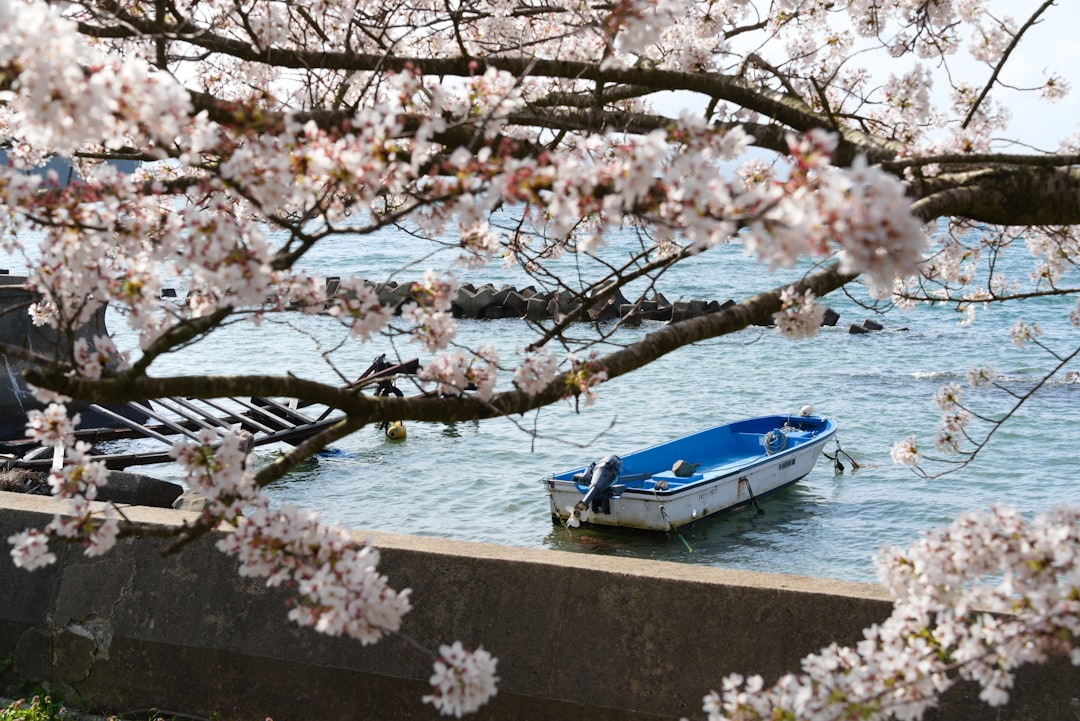
Sumida Park: The park running along the west bank of the Sumida River between Asakusa Bridge and Sakurabashi is Asakusa’s best cherry blossom spot — 400 trees, well-maintained path, river views, fewer crowds than Ueno’s cherry blossom (15 minutes walk north).
Asakusa is most honest early in the morning and in the evening — when the temple visit crowd has cleared and the neighborhood returns to its own rhythm. The craft shops, the standing bars, and the side streets behind the main approach are the version of Asakusa that has been here the longest and will be here after the tourism pressure eventually reshapes it. Spend time in those parts.
Plan your trip