Tokyo Imperial Palace and East Gardens
Plan your trip
The Tokyo Imperial Palace (皇居, Kōkyo) occupies the former site of Edo Castle — the Tokugawa shogunate’s seat of government from 1603 until 1868, when Emperor Meiji relocated to Edo from Kyoto and the castle became the imperial residence. The castle keep was lost to fire in 1657 and never rebuilt; what remains today is the moat system, several original castle gates, and the thick stone foundations of the honmaru (main compound).
For most of the year, the inner grounds are accessible only twice: January 2 (New Year greeting, the only occasion when visitors can enter the inner plaza to see the imperial family appear on the balcony) and February 23 (the emperor’s birthday). For the rest of the year, visitors explore the East Gardens, the moat path, and the surrounding Kitanomaru Park — which is still a substantial experience and one of the most distinctive urban parks in the world.
The East Gardens (皇居東御苑)
The East Gardens (Higashi-Gyoen) occupy the former Honmaru and Ninomaru compounds of Edo Castle — the inner and second enclosures. They were opened to the public in 1968.
Hours: 9am–4:30pm (closing time varies seasonally; check before visiting). Closed Mondays, Fridays, and December 28 – January 3.
Admission: Free. Entry ticket stubs are collected on exit to prevent re-entry.
Ninomaru Garden: The traditional landscape garden in the second enclosure, with a strolling path around a central pond. The garden was designed in the early Edo period and restored in the 20th century; notable for the hyakunin-isshu poetry stones and the iris beds that bloom in late May–early June.
Honmaru Stone Foundation: The massive stone foundation of the original castle keep (tenshu-dai), now empty — a raised platform 11m tall with views across the honmaru plateau. Standing on or beside the foundation, with no castle above and Tokyo skyscrapers visible beyond the moat, is the clearest way to understand the absence at the center of the city.
Edo Castle Otemon Gate: The main gate to the East Gardens, restored in 1967 based on historical records. The gate was the primary entry to Edo Castle during the shogunate.
Museum of the Imperial Collections (三の丸尚蔵館): An art museum within the East Gardens housing works from the Imperial Household collection — paintings, lacquerwork, and decorative objects spanning the Heian period through modern times. The collection is rotated; specific masterworks are displayed during special exhibitions. Free with garden admission.
The Moat and Outer Areas
Nijubashi (二重橋): The double bridge visible from the main plaza is not actually two bridges but a single iron bridge (1964) in front of an older stone bridge (1888), with the Fushimi Yagura (watchtower, one of three surviving original towers) behind it. This is the most photographed view of the Imperial Palace — accessible from the Kokyomae Plaza on the south side of the outer moat.
Kokyomae Plaza (皇居前広場): The large park space between the outer moat and Hibiya Park — an open area of gravel and pine trees used for the New Year and birthday public gatherings. The space is lined with kuromatsu (black pine) trees meticulously maintained by the Imperial Household Agency.
Outer Moat Path (皇居外周): The 5km running and walking path around the outer moat is one of the most popular running routes in Tokyo. The path provides views of the moat, the stone walls, the willow trees, and the skyline. Early mornings and lunch hours see hundreds of runners from the surrounding office buildings.
Sakurada-mon Gate: One of the surviving original gates, on the southwest moat corner. The site of the Sakurada-mon Incident (1860) — the assassination of Chief Minister Ii Naosuke, which began the political unraveling of the Tokugawa shogunate.
Kitanomaru Park (北の丸公園)
The northern enclosure of the original castle grounds, now a public park with several museums.
Budokan (日本武道館): The 1964 Olympic arena for martial arts, now Japan’s most famous concert venue. The Beatles played here in 1966 — the concerts were contentious because the Budokan was considered a sacred martial arts space, and hosting rock concerts was seen as disrespectful.
National Museum of Modern Art, Tokyo (東京国立近代美術館, MOMAT): The national collection of modern Japanese art from the Meiji period to present — 13,000 works, approximately 200 on display at any time. Strong collection of Nihonga (modern Japanese painting), Western-influenced oil painting, and post-war contemporary. ¥500 general admission, varying for special exhibitions.
Science Museum (科学技術館): Hands-on science museum; more oriented toward Japanese schoolchildren than international visitors.
Tayasu Gate (田安門): One of the best-preserved Edo Castle gates, with the original high stone walls and the masugata (box-shaped defensive enclosure) intact.
Imperial Palace Guided Tour
The inner grounds (excluding the private residential areas) are accessible on guided tours administered by the Imperial Household Agency:
Tour details: Free. One-hour walking tour of the inner plaza, Fujimi Yagura (watchtower), and the Ninomaru gardens. Tours depart 10am and 1:30pm, Tuesday–Saturday, maximum 45 people per tour.
Reservation: Applications through the Imperial Household Agency website (kunaicho.go.jp/event/oteruchankengai.html). Japanese and English-language reservations available. Applications for same-day tours can occasionally be submitted in person at the Kikyōmon Gate by 8:45am.
What you see: The inner moat walk, the Fujimi Yagura, the imperial plaza, and the stone foundations of the original castle compound. The private Imperial Household residences are not visible.
Getting There
Otemachi Station (multiple subway lines): The primary access point — directly adjacent to the East Gardens’ Otemon Gate.
Tokyo Station: 10-minute walk west to the palace moat.
Nijubashi-mae Station (Chiyoda Line): Exit 6 leads to the Nijubashi plaza and the main moat view.
Takebashi Station (Tozai Line): North side — for Kitanomaru Park and the MOMAT.
Practical Notes
Best sequence: East Gardens → Ninomaru Garden → honmaru stone foundation → exit → moat walk south → Nijubashi plaza view → Kokyomae Plaza → Hibiya Park (adjacent).
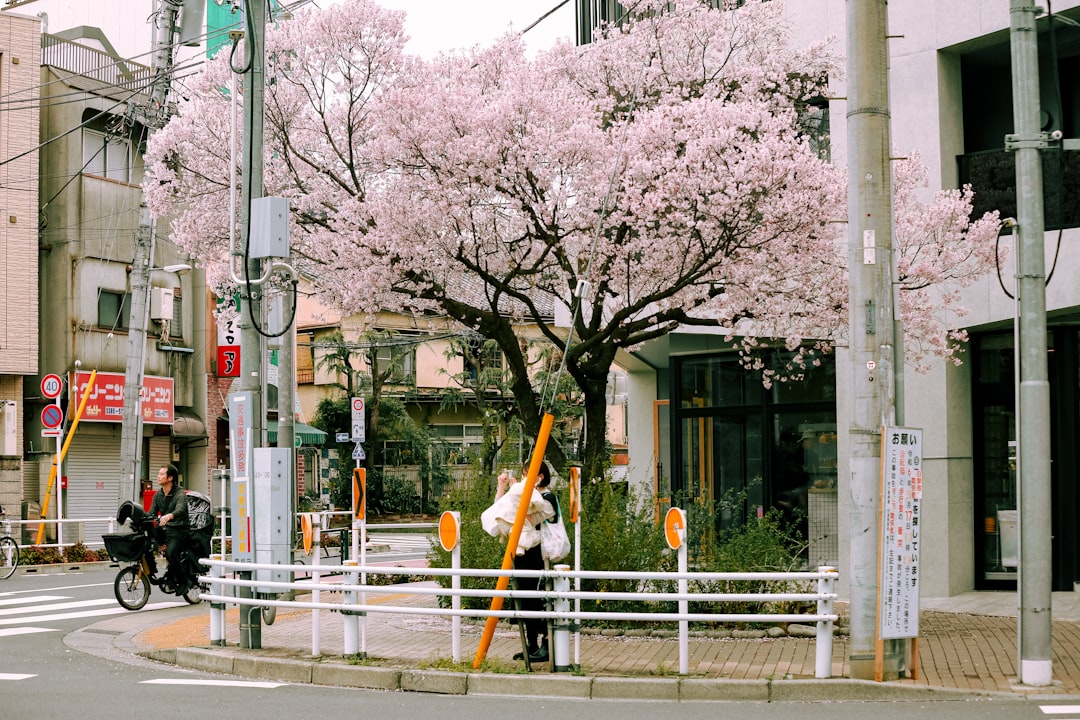
Spring sakura: The moat-side cherry trees (approximately 400) bloom in late March–early April, with the pink blossoms reflecting in the moat water and the castle walls in the background. This is one of Tokyo’s best cherry blossom locations and gets very crowded; early morning arrival is recommended.
Running: The 5km outer moat loop is a genuine pleasure in the early morning before office traffic increases. Rental running gear (shoes, clothing) is available from Runners Station outlets in the nearby Otemachi area for visitors who want to run without packing running clothes.
Plan your trip