Shibamata: Tokyo's Most Unchanged Shitamachi
Plan your trip
Shibamata (柴又) is a neighborhood in Katsushika ward in northeastern Tokyo that has remained nearly unchanged since the postwar era — a 200-meter covered shopping street, the unchanged wooden facade shops on either side, a 1,300-year-old temple at the end, and the Edogawa river levee where you can look across to Chiba prefecture.
The neighborhood is the setting for Otoko wa Tsurai yo (It’s Tough Being a Man) — the film series starring Atsumi Kiyoshi as Tora-san, a traveling merchant who always returns to Shibamata between journeys. The series ran from 1969 to 1995, producing 48 films, and is the longest-running film series in the world. Tora-san became synonymous with a specific Japanese working-class sentimentality; Shibamata became associated with the Japan that existed before economic growth changed everything.
The connection between the films and the neighborhood is genuine — the shopping street, the temple, and the riverside are exactly as shown in the films because nothing has substantially changed.
Taishakuten Temple (帝釈天)
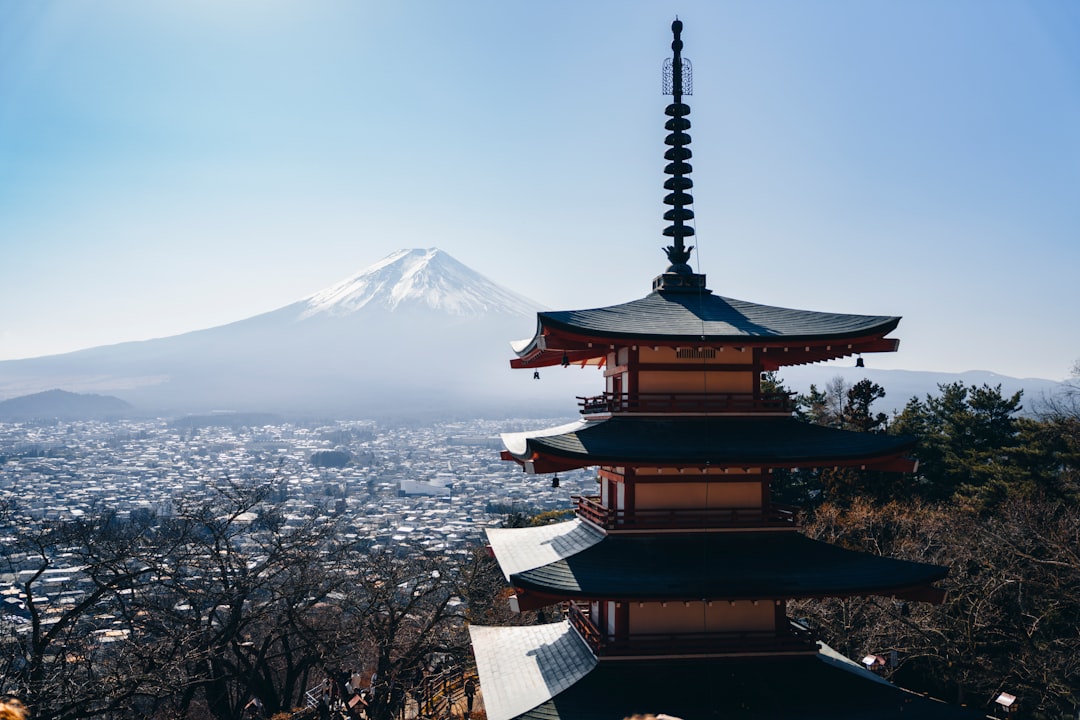
Kyoei-zan Daikyo-ji, called Taishakuten, was founded in 617 CE. The main hall was rebuilt in 1929 in elaborate carved wood by master carpenter Sakaida Seitaro — every pillar, beam, and panel carved with scenes from the Lotus Sutra and Buddhist narrative. The carvings (jibutsu engi-zukuri) are among the most technically accomplished woodcarving in Tokyo, visible through the outer gallery walkway (admission ¥400).
The garden (Suikei-en): Behind the main hall, a classical strolling garden (admission included with main hall) with a central pond and traditional stone lanterns — understated and excellent.
Tora-san connection: The temple’s approach and main gate appear throughout the film series; the statue of Tora-san outside the station and the memorial museum nearby are direct results of the films’ association with the neighborhood.
The Shopping Street (Shibamata Taishakuten Sandō)
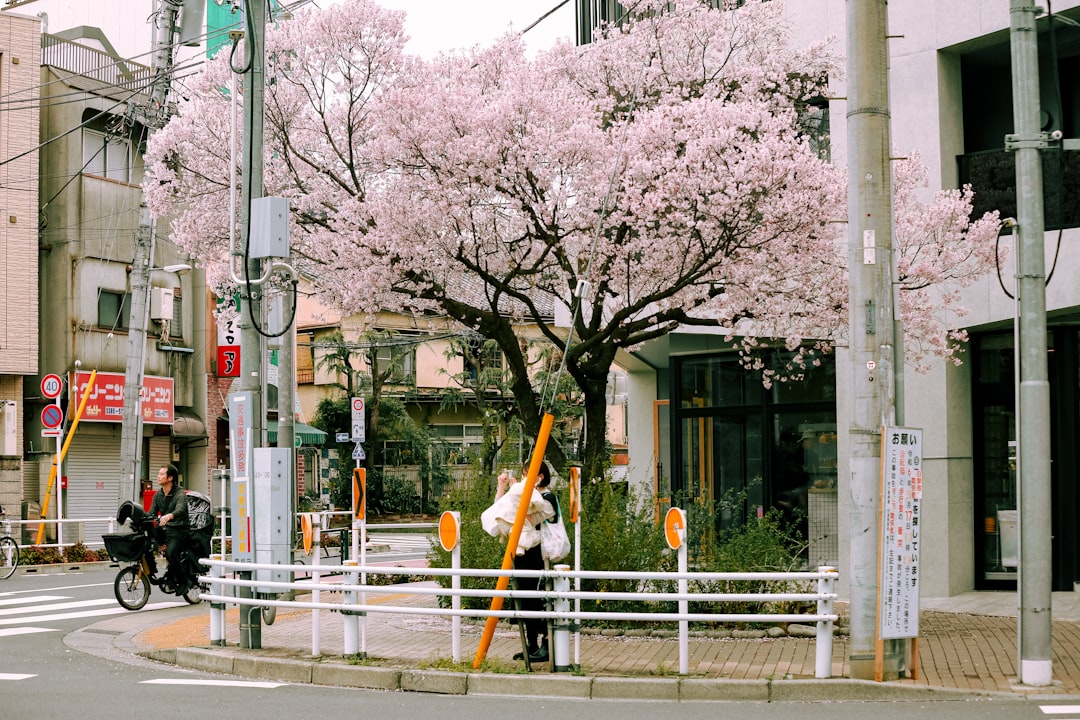
The covered arcade between Shibamata Station and the temple entrance is 200 meters of shops that have operated from roughly the same families in roughly the same format for decades.
Kuruma-ya: The neighborhood’s most famous shop — Kusa-dango (sweet grass rice dumplings, yomogi flavored) made fresh, served on skewers with sweet soy glaze. The family has operated since 1887; the recipe hasn’t changed. ¥600–800 for a portion. Eating kusa-dango on the approach to Taishakuten is the neighborhood’s defining food experience.
Tora-san Memorial Museum (寅さん記念館): A small museum in the Yamamoto-tei building complex covering the film series history, set reproductions, and the cultural significance of the Tora-san character. ¥500 admission.
Yamamoto-tei: Adjacent to the museum, a beautifully preserved Taisho-era Western-Japanese hybrid mansion (1926) open to visitors (¥100).
The Edogawa Riverfront
Walk through the temple grounds and continue to the Edogawa riverbank levee — a broad, flat embankment above the river. The view looks east toward Chiba across flat agricultural land; the contrast with central Tokyo is significant. The landscape here feels like a different country from Shibuya.
Rowing boat rental: Small rowing boats are rented at the riverside landing for ¥1,500/hour — the river here is calm and the distance from Tokyo’s energy is palpable from the water.
Getting There
Keisei Kanamachi Line → Shibamata Station: From Keisei Takasago Station (accessible from Ueno/Nippori via Keisei Ueno Line), transfer to the 3-stop Keisei Kanamachi Line. Total from Ueno: approximately 35 minutes.
From Asakusa: Tobu Skytree Line to Kameari, then bus or taxi to Shibamata (10–15 minutes).
The approach from Ueno via the Keisei Line is the most direct; the train to Shibamata Station arrives at a small wooden station building that itself looks unchanged from the 1960s.
When to Visit
Weekday mornings: The neighborhood is quiet during the week. Most shops open by 10am; the temple is accessible from early morning.
Weekends: More crowded, particularly the approach street, but the neighborhood absorbs visitors without losing its character.
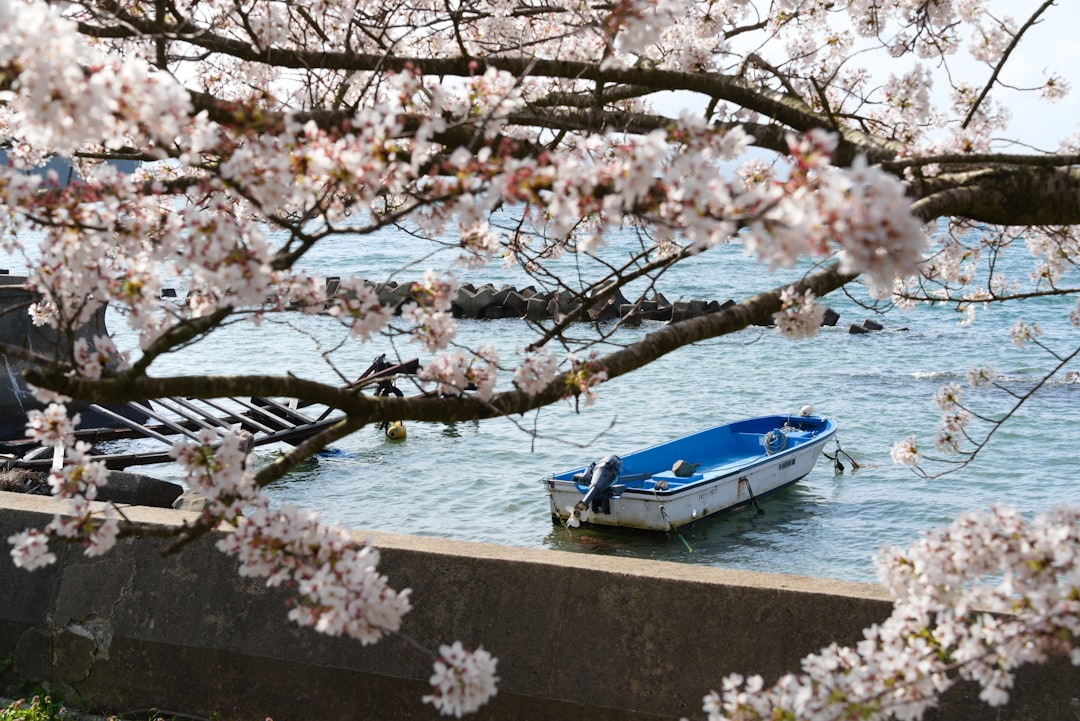
Cherry blossom season: The Edogawa river levee has cherry trees; the combination of the shopping street, temple, and riverside bloom is one of Tokyo’s better hanami experiences outside the main tourist circuits. Late March–early April.
Combine with: A Shibamata visit pairs naturally with Katsushika Hokusai Museum (10 minutes by bus — dedicated to the ukiyo-e artist who was born in this area) or with a riverside walk along the Edogawa south toward Kameari.
Plan your trip