Tokyo Ueno: Museums, Cherry Blossoms, and Ameyoko Market
Plan your trip
Ueno’s identity was established in the Meiji period, when the government converted the former Tokugawa family temple grounds into Japan’s first Western-style public park and built the country’s first national museums here. The result is a park of unusual cultural density: five major museums, a zoo, a shrine, a concert hall, and Shinobazu Pond clustered on a raised plateau above the Yanesen neighborhood, with Ameyoko market running along the railway embankment to the south.
It is also the entry point for many visitors arriving from Narita by the Narita Express or Keisei Skyliner — the first Tokyo neighborhood they see. Ueno rewards more time than the transit connection suggests.
Ueno Park
The 530,000 square meter park occupies a plateau above the surrounding city. The main approach from the station runs north along a wide boulevard flanked by street vendors (food, balloons, festival goods on weekends); the cherry blossom season transforms this avenue into one of the most photographed spaces in Japan.
Cherry blossoms: Ueno is Tokyo’s most famous hanami (cherry blossom viewing) site — the main avenue and the areas around Shinobazu Pond have over 1,000 cherry trees, most of them somei yoshino. During peak bloom (typically late March to early April), the park fills with blue tarps, office parties, and hanami crowds from morning to night. The atmosphere is festive and specifically Japanese — the custom of reserving spots from early morning, the food and beer vendors, the illuminated trees after dark. The crowds are genuine; arrive before 10am or after 7pm for any semblance of space.
The Museums
Tokyo National Museum (東京国立博物館, TNM): The largest museum in Japan and the primary repository of Japanese art and archaeology. The main Hon-kan building (1938) houses the permanent collection: archaeological objects from Japan’s prehistoric periods, Buddhist sculpture, samurai armor and swords, ink painting, lacquerware, ceramics, and calligraphy. The Toyokan building covers Asian art from across the continent. Admission ¥1,000; special exhibitions extra.
The TNM’s strongest rooms are the Japanese sword collection (the quality and variety of medieval blades is unmatched), the Buddhist sculpture gallery (particularly the Heian and Kamakura period wood carvings), and the seasonally rotating display of national treasures.
National Museum of Nature and Science (国立科学博物館): Japan Hall and Global Hall — the Japan Hall covers the natural and cultural history of the Japanese archipelago; the Global Hall covers earth sciences, evolution, and space. One of the finest natural history museums in Asia. The blue whale skeleton in the entrance and the life-size replica of the Antarctic expedition ship are the signature pieces. Admission ¥630.
Tokyo Metropolitan Museum of Art (東京都美術館): Large-scale special exhibitions, typically of international art or major retrospectives. Check current programming — when the shows are good, this is one of the best exhibition spaces in Tokyo.
National Museum of Western Art (国立西洋美術館, NMWA): UNESCO World Heritage building by Le Corbusier (1959) — one of his Modular-system buildings, the only one in Japan. The permanent collection is largely 19th-century European painting and sculpture (Rodin bronzes in the forecourt, Monets and Renoirs inside). The architecture is the primary reason to visit if Western art is not your focus. Admission ¥500.
Shitamachi Museum (下町風俗資料館, at the south end of the park near Shinobazu Pond): A small museum reconstructing Meiji and Taisho period shitamachi (downtown Tokyo) life — a two-story merchant house, a copper shop, period objects. One of the more immersive historical museums in Tokyo. Admission ¥300.
Shinobazu Pond
The pond at the south end of the park is divided into three sections by causeways: the lotus pond (filled with lotus plants from July to September, flowering in August), the boat pond (rowboat and swan boat rentals from ¥700/30 minutes), and a waterfowl sanctuary. The Benten-do shrine sits on an island in the center, connected by a causeway.
The pond’s western side has a row of small restaurants and food vendors facing the water — good for a break between museums.
Toshogu Shrine
The shrine at the north end of the park was built in 1627 to enshrine Tokugawa Ieyasu (founder of the Edo shogunate) and rebuilt in 1651 by the third shogun. The 200-meter approach lined with stone lanterns (donated by feudal lords), the gold-lacquered gate (kara-mon), and the five-storey pagoda visible from the path make it one of the most ornate Shinto shrines in Tokyo. Admission ¥500 for the inner shrine.
Ameyoko Market
The outdoor market running along the JR Yamanote Line railway embankment between Ueno and Okachimachi stations — approximately 500 stalls in 400 meters.
History: Ameyoko began as a black market after World War II (the name possibly derives from ame, candy, or from “America” — American goods were sold here in the occupation period). It evolved into a legitimate market and has operated continuously since.
What’s sold: Fish, seafood, and dried goods (the most photographed section — the fish vendors with their handwritten price boards); fresh produce; nuts and dried fruits; cosmetics and supplements at discount prices; clothing (military surplus, workwear, sportswear); shoes; and the specific discount perfume and watch dealers that have been here for decades.
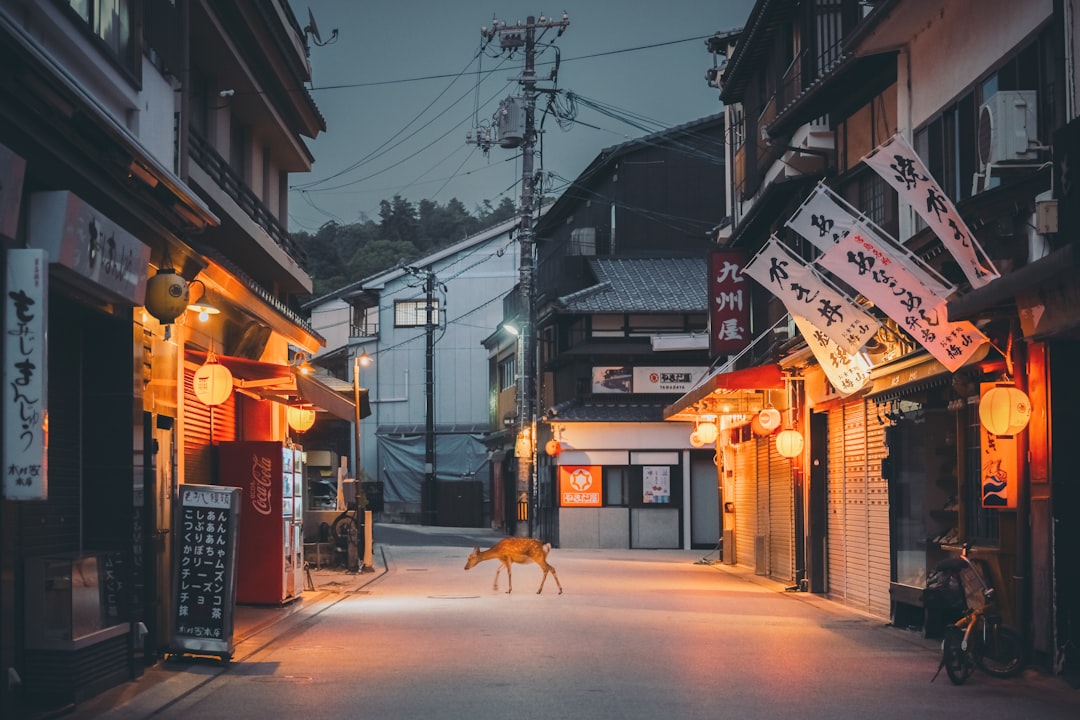
The atmosphere: Narrow lanes, shouting vendors, the smell of fish and grilled meat. The fish section near the Ueno end is the most dramatic; the clothing dealers are toward Okachimachi. The market operates every day; Sundays are the most crowded and animated.
Eating in Ameyoko: The upper floors of the buildings facing the railway embankment have izakaya and restaurants — some open from midday, the fish-focused ones serving what the market vendors below are selling. The outdoor standing bars in the market lanes serve beer from noon.
Ueno’s Surrounding Neighborhoods
Yanesen (Yanaka-Nezu-Sendagi): Immediately north of Ueno, the preserved pre-war residential neighborhood — covered shopping streets, independent shops, the Yanaka Cemetery with its cat colony. See the dedicated Yanaka guide.
Akihabara: 15 minutes south on foot from Ueno, or one stop on the Yamanote Line.
Practical Notes
Getting there: JR Yamanote Line, Keihin-Tohoku Line, or Tokyo Metro Hibiya/Ginza lines to Ueno Station. The park entrance is immediately adjacent to the Park Exit.
How long: Half day for the park, one museum, and Ameyoko. Full day to cover multiple museums properly.
Museum strategy: The TNM requires 2–3 hours for a meaningful visit. If doing multiple museums, start with the TNM in the morning, take lunch at the park cafés or in Ameyoko, then visit the Science Museum or Western Art Museum in the afternoon.
Combined visit: Ueno + Akihabara + Asakusa form a natural northeast Tokyo day — the Yamanote Line connects them, and the walk from Ueno through Asakusa along the old downtown streets takes 25 minutes.
Ueno is Tokyo doing something unusual — a public park that actually contains the country’s most important museums, a living market, a famous shrine, and a pond. The combination exists nowhere else in the city. Most visitors spend too little time here because it looks like a transit neighborhood. It is not.
Plan your trip