Malaysia in February: Chinese New Year Lights Up KL and Penang, West Coast Beaches at Best
Plan your trip
February is Malaysia’s most culturally charged month. Chinese New Year — observed by Malaysia’s 25% Chinese population — transforms Penang and Kuala Lumpur with 15 days of lights, lion dances, fireworks, and reunion feasts. Langkawi remains in prime beach season. The east coast is still under monsoon closure. And Thaipusam — the Hindu festival of spectacular devotion at Batu Caves — falls in either January or February.
Weather & Conditions
Kuala Lumpur: 25–32°C. Hot and humid year-round. Some afternoon showers.
Langkawi: 26–33°C. Excellent dry season continues. The best beach month for the Andaman coast.
Penang: 26–32°C. Dry season. Georgetown is comfortable and celebratory.
East Coast (Perhentian, Tioman, Redang): Still closed. Monsoon seas persist until March.
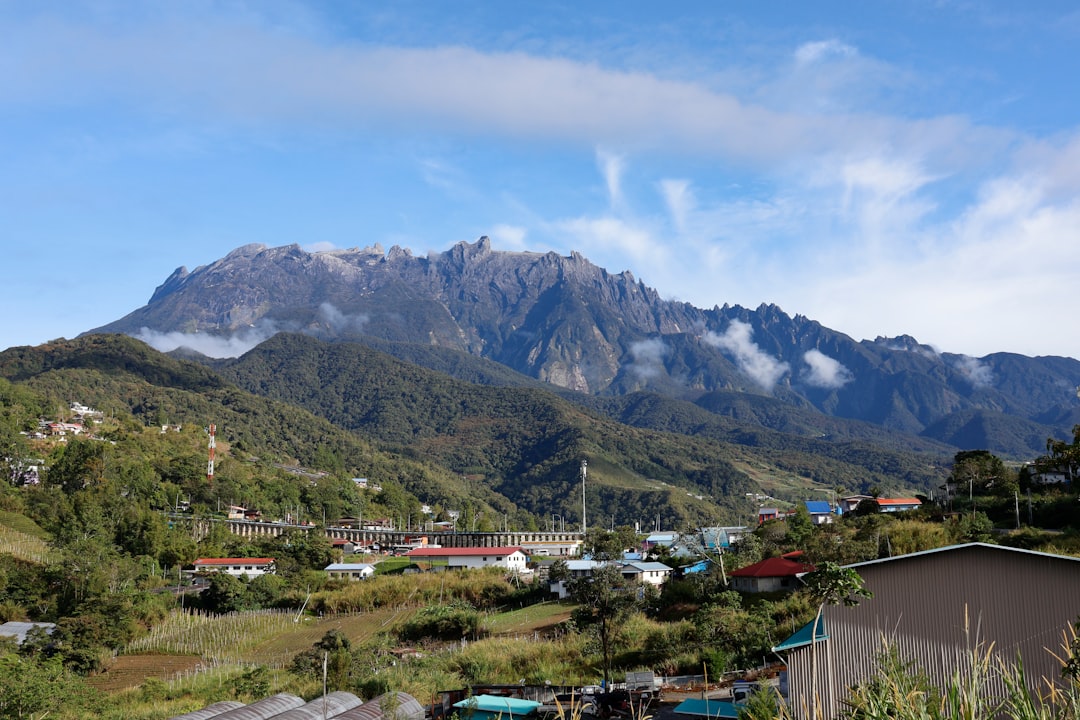
Sabah (Borneo): 24–30°C. Drier months. Kinabalu and wildlife accessible.
What to Do
Chinese New Year, Georgetown (Penang): Georgetown’s Chinatown (Lebuh Chulia and Cannon Square area) for Chinese New Year is one of Southeast Asia’s finest celebrations. Lion dances in the streets at dawn, open house invitations in Peranakan shophouses, the 15-day calendar of events with the Chap Goh Meh (15th night) Lantern Festival finale. The Cheong Fatt Tze Mansion (Blue Mansion) hosts events. Georgetown’s Nyonya (Peranakan) cuisine peaks around CNY.
Chinese New Year, Kuala Lumpur: Petaling Street (Chinatown) and the Pavilion KL shopping mall both run major CNY events. The Sunway Lagoon and Genting Highlands amusement areas run CNY-specific programming. KL’s CNY fireworks at Dataran Merdeka (Independence Square) are significant.
Thaipusam at Batu Caves: The most visually powerful religious event in Malaysia — 1.3 million Hindu devotees and visitors ascend the 272 steps to the cave temple. Devotees carry kavadis (ornate frames attached with skewers through cheeks, tongues, and body), walking in trance-like states as an act of devotion to Lord Murugan. The event happens over 3 days before dawn to midday. KTM Komuter trains run special services from KL Sentral.
Langkawi water sports and island hopping: The Andaman Sea in February is at its calmest — island hopping, jet skiing, parasailing, and kayaking are all at peak conditions. The Mangrove Tour through Kilim Karst Geoforest Park (UNESCO) is excellent for wildlife: sea eagles, macaques, and mangrove habitats from a boat.
Mulu National Park, Sarawak (Borneo): The Gunung Mulu National Park (UNESCO) has the world’s largest cave chambers (Sarawak Chamber can hold St. Paul’s Cathedral 17 times over), the 3 million bat exodus at dusk from Deer Cave, and the Pinnacles limestone formation. Accessible by flight from Miri or Kuching.
Festivals & Events
Chinese New Year (variable late January–February): Malaysia’s biggest cultural celebration for the Chinese community.
Thaipusam (variable January–February): Batu Caves, KL. Also observed at the Nattukkotai Chettiar Temple in Penang with similar kavadi processions.
Valentine’s Day (February 14): Commercially significant in Malaysia’s urban centers.
Practical Tips
Chinese New Year dates vary by 1–2 weeks annually. The 15-day celebration means that even in years when CNY falls in late January, February encompasses much of the celebration period.
Thaipusam crowds: this is one of Malaysia’s most crowded single events. The approach to Batu Caves (3km from Gombak KTM station) requires 2–3 hours on foot during the festival. Plan for early morning arrival (3–5am) to witness the pre-dawn kavadi processions.
East coast remains closed in February. Anyone planning Perhentian Islands or Tioman visits should target March or April.
Who February Is For
Chinese New Year cultural travelers — the Penang and KL celebrations are among the best in the world outside China and Taiwan. Thaipusam observers. Langkawi beach travelers wrapping up the dry season. And anyone combining Malaysian beaches (west coast) with Chinese New Year culture in a single trip.
Plan your trip