Pakistan in January: Lahore at Its Best, Winter Forts, and Snow in the North
Plan your trip
January is the month Pakistan’s lowland cities become genuinely pleasant. Lahore — the cultural heart of Pakistani civilization, one of the great Mughal cities — is at its most accessible in cool, clear January air. The Badshahi Mosque, the Lahore Fort, and the walled city’s food streets can be explored without the summer heat that makes them exhausting. Karachi’s coast has its best beach weather. The northern mountains — Gilgit-Baltistan, the Karakoram — are under deep winter snow and inaccessible except for the hardiest adventurers.
Weather & Conditions
Lahore and Punjab: 5–18°C. Cool nights, warm comfortable afternoons. January mornings can be foggy — this is the Indus Valley winter fog season, similar to Delhi. Flights can be delayed by morning fog.
Karachi (South): 16–24°C. Pleasant, dry, and breezy. The best beach weather of the year.
Islamabad: 4–15°C. Cool and clear. The capital is comfortable and fully operational.
Peshawar and Khyber Pakhtunkhwa: 4–17°C. Cold mornings but warm afternoons.
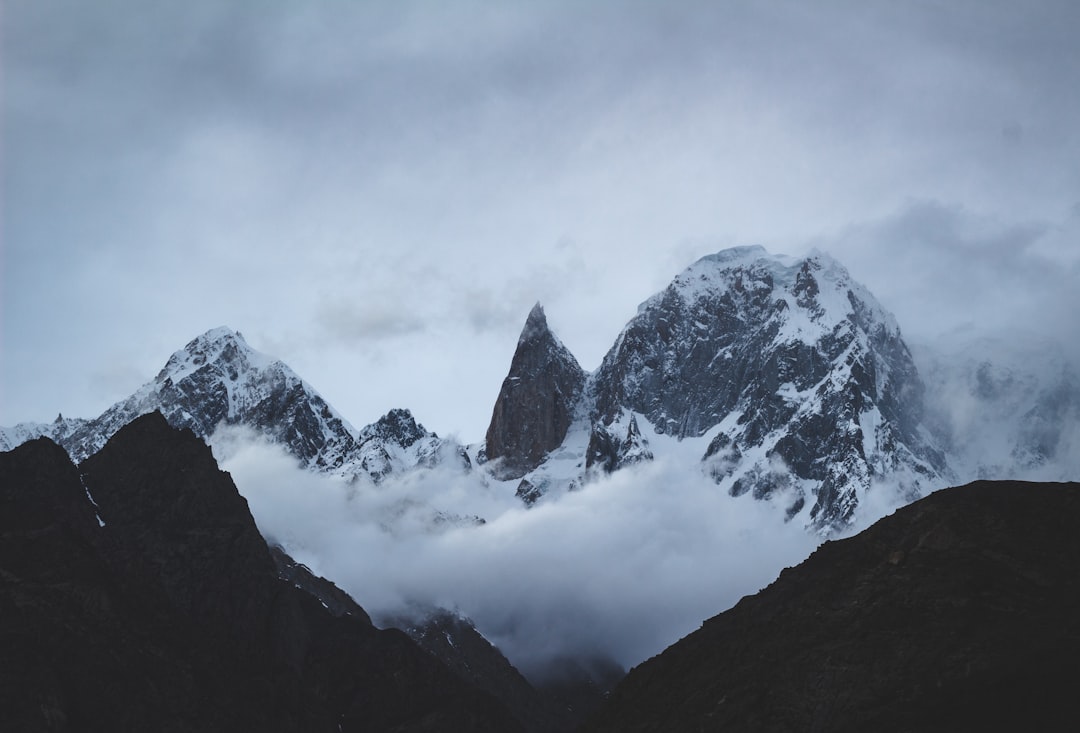
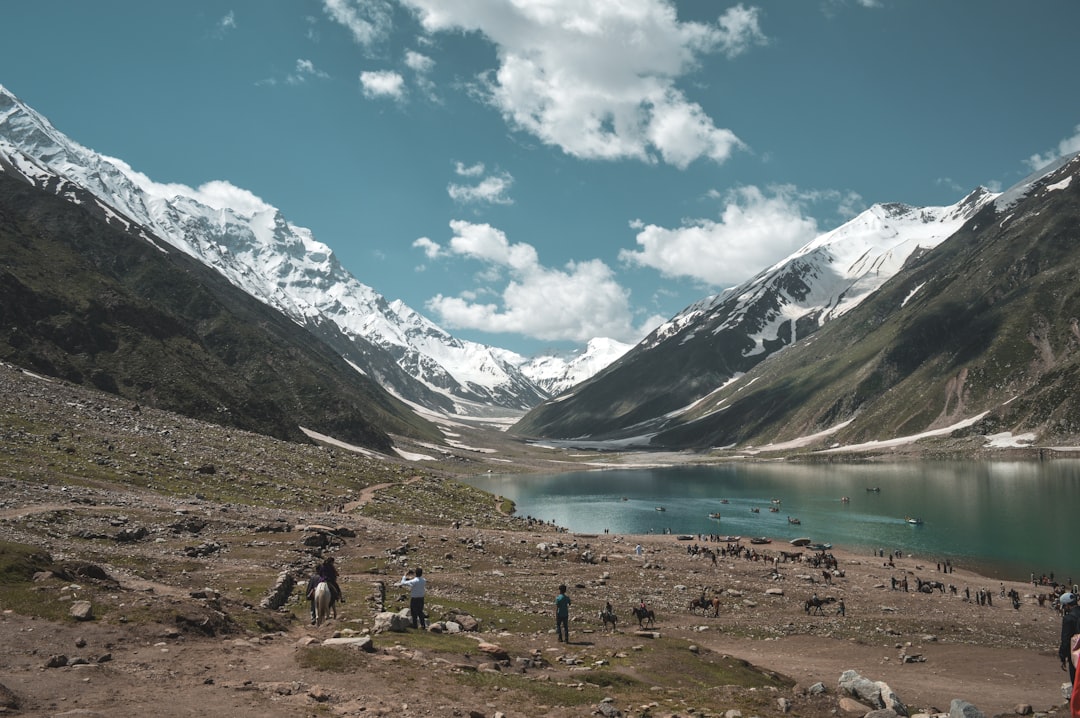
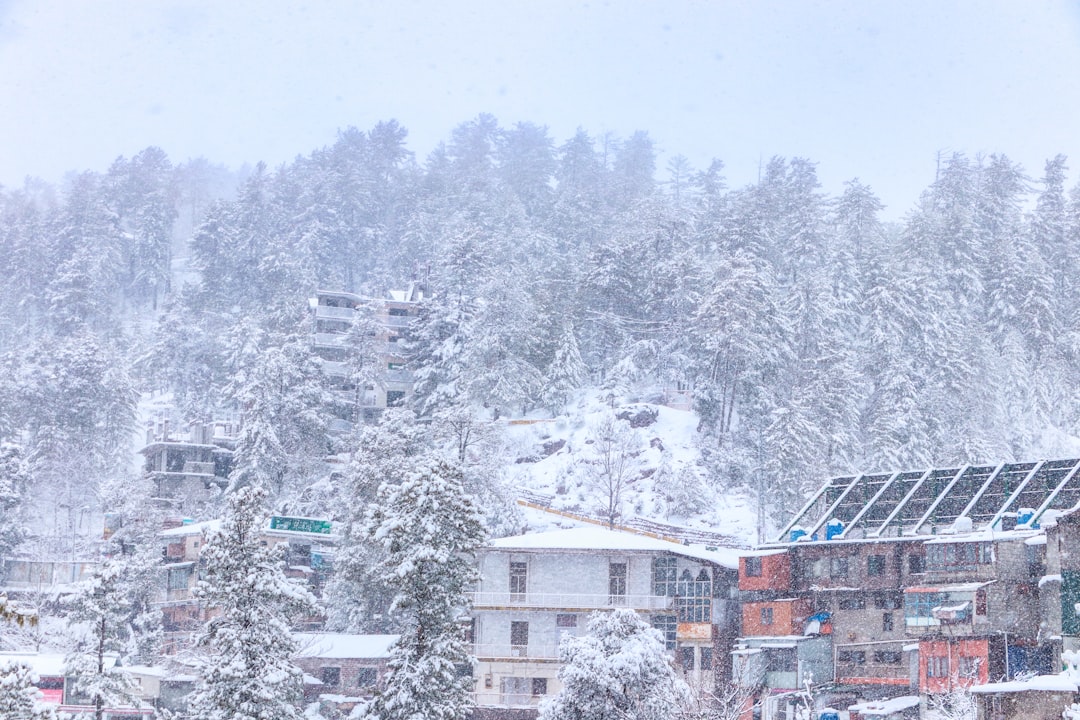
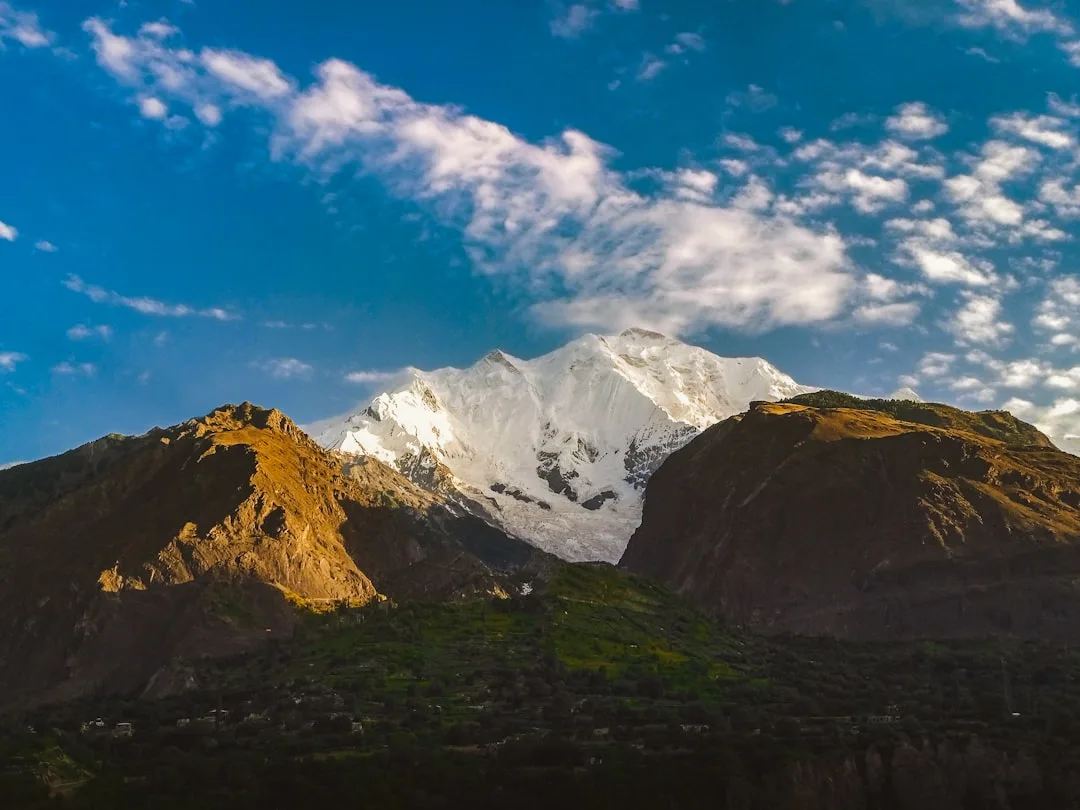
Gilgit-Baltistan (north — Hunza, Skardu): -5 to 5°C. Deep winter snow. The Karakoram Highway is snow-covered in places; Skardu is accessible by air.
What to Do
Lahore’s Mughal monuments: The Badshahi Mosque (the world’s largest when built in 1673, still among the largest) and the adjacent Lahore Fort are the centerpieces of Mughal Pakistan. January’s clear air makes the red sandstone and white marble details magnificent against blue sky. The Fort’s Sheesh Mahal (Mirror Palace) and Diwan-e-Aam (Hall of Public Audience) are extraordinary. The Shalimar Gardens (a UNESCO World Heritage Site) are quieter and more beautiful in January than in the summer months. Lahore’s walled old city (the 13-gate city) rewards an afternoon walk through its chaotic, food-perfumed lanes.
Food Street, Lahore: Gawalmandi and the Fort Road Food Street are evening destinations — Pakistani cuisine at its richest, with nihari (slow-cooked beef stew), seekh kebabs, halwa puri, and the legendary lahori breakfast culture.
Islamabad and Rawalpindi: The capital pair of the north — Islamabad is Pakistan’s modern planned capital while Rawalpindi (Pindi) is the old commercial city immediately adjacent. The Faisal Mosque (largest mosque in South Asia) and the Islamabad Archaeological Museum are worth a day. Rawalpindi’s Murree Road and the old cantonment area have a distinct colonial-era atmosphere.
Karachi beaches (Hawkes Bay, Clifton): The Arabian Sea coast at Karachi is pleasant in January — warm, clear water and warm days without the monsoon humidity of summer. Clifton Beach and Hawkes Bay are accessible. The Karachi fish market (near the harbour) runs at 5am — the freshest seafood in Pakistan.
Mohenjo-daro (Sindh): One of the two main cities of the Indus Valley Civilization (3000 BCE), located in Sindh province, is accessible in January’s manageable temperatures. The 5,000-year-old city ruins — drainage systems, granaries, the Great Bath — are extraordinary in context. Fly to Sukkur from Karachi and drive.
Festivals & Events
Basant (Lahore, variable — late January or February): The traditional kite-flying festival of Lahore was banned and then officially regulated. Its status varies year to year. When permitted, the January–February sky above Lahore fills with thousands of kites. Check current status.
New Year events (January 1): Pakistan observes New Year primarily in the cities (Karachi, Lahore, Islamabad). Cultural events in major hotels and public spaces.
Practical Tips
Pakistan security situation: consult your foreign ministry’s current travel advisories before booking. The cultural heartland (Lahore, Islamabad, the Punjab cities) is generally considered safe for tourism; certain border areas and the Khyber Agency require specific knowledge and often permits. Most experienced Pakistan travelers use a local guide/fixer for logistics.
Visa: Pakistan’s e-Visa system (available from most countries at visa.nadra.gov.pk) has made access significantly easier. Apply 2–3 weeks before travel.
January fog in Lahore and Islamabad: similar to Delhi, morning flights are regularly delayed. Build buffer time into arrival connections.
Who January Is For
Cultural travelers who want Pakistan’s Mughal heritage at its most accessible. Anyone who has been to India and wants to see the other side of the same civilization. First-time Pakistan visitors for whom the combination of Lahore, Islamabad, and the Indus Valley sites is the itinerary. January conditions are the best of the year for this circuit.
Plan your trip