Pakistan in July: Shandur Polo Festival, Monsoon in the South, and K2 Summit Window
Plan your trip
July is Pakistan’s peak mountain month and the month of its most extraordinary sporting event. The Shandur Polo Festival at the world’s highest polo ground brings thousands of spectators to a remote Himalayan plain at 3,700m. K2’s climbing season reaches its intensity. The Baltoro Glacier and Concordia are at their most accessible. Meanwhile, in the south, the monsoon arrives in Sindh and parts of Punjab.
Weather & Conditions
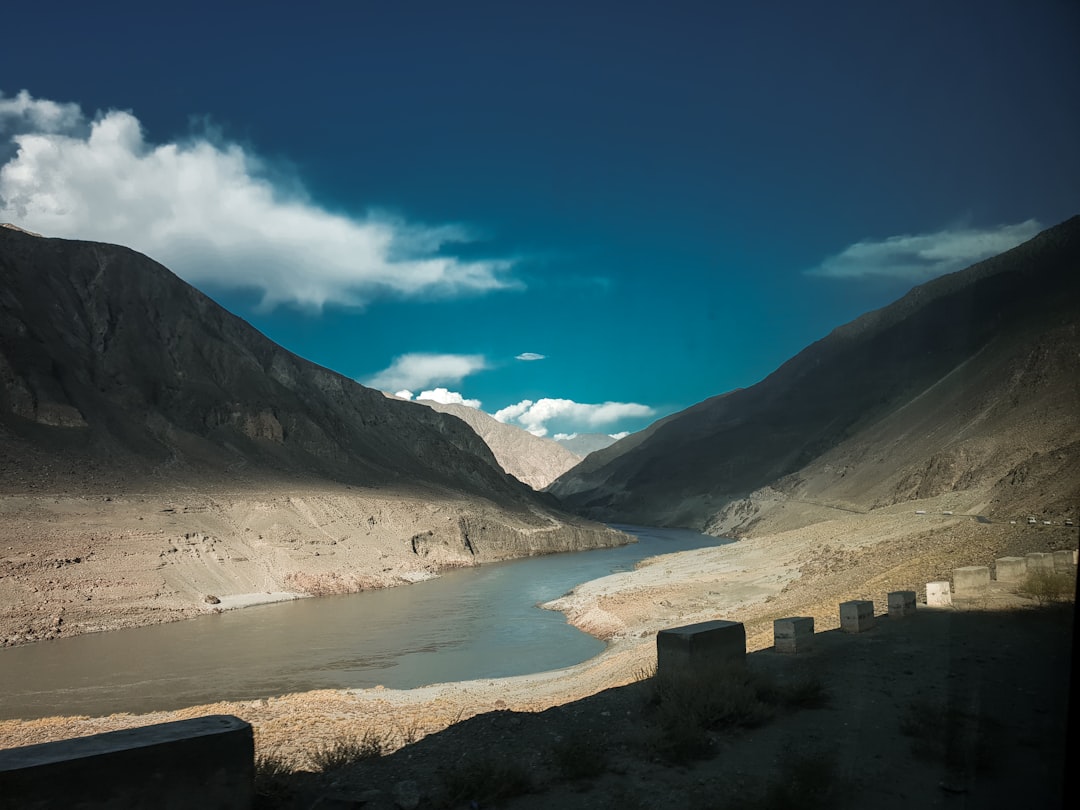
Northern areas (Hunza, Gilgit, Skardu): 16–28°C. Warm, clear, and spectacular. The prime month.
Shandur Pass: 8–18°C. Cold nights but warm days at 3,700m altitude.
Lahore and Punjab: 34–40°C with increasing monsoon humidity. Hot and wet by second half of July.
Karachi: 28–34°C with monsoon. Rain is heavy — July is Karachi’s wettest month.
Islamabad: 26–35°C with some monsoon rain. Hot.
What to Do
Shandur Polo Festival (early July, 3 days): The Gilgit versus Chitral polo match at Shandur Pass is one of Asia’s most extraordinary sporting events. The polo ground at 3,700m — the world’s highest — is reached by a 2-day overland drive through mountain passes from either Gilgit or Chitral. Teams play on the natural grass field without goals, the game flowing continuously. Thousands of spectators camp on the surrounding hills for the 3-day event. Free to attend; accommodation is camping or local guesthouses in nearby villages.
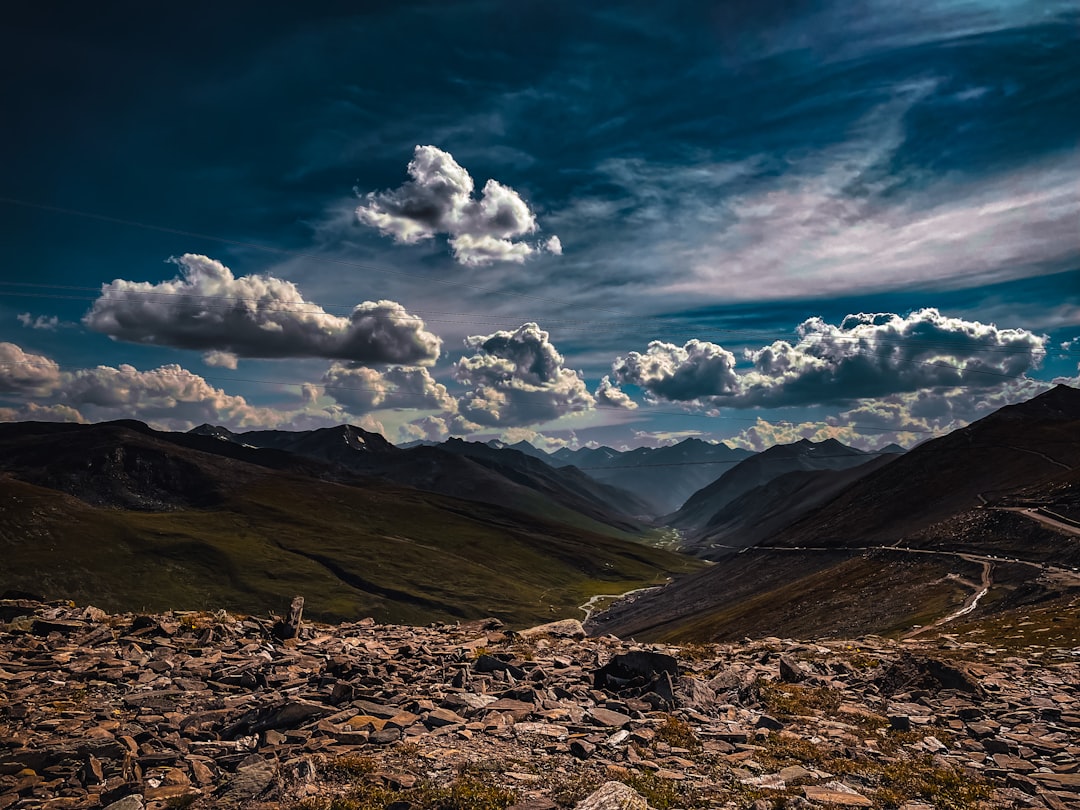
Deosai National Park: The world’s second-highest plateau (accessible from Skardu) flowers in July — a vast alpine meadow at 4,000m covered in wildflowers. The Himalayan brown bear population numbers around 50 animals in the park; sightings from vehicles are relatively common. Snow leopard (rare) and red fox are also present.
Upper Hunza (Khunjerab area): The final section of the KKH before China is spectacular in July. Pastures above Gojal are in summer use by pastoral families (whose yaks and flocks move up from the valleys). Walking the Khunjerab area trails with views of the Shimshal valley, the Khunjerab River, and the Chinese border landscape.
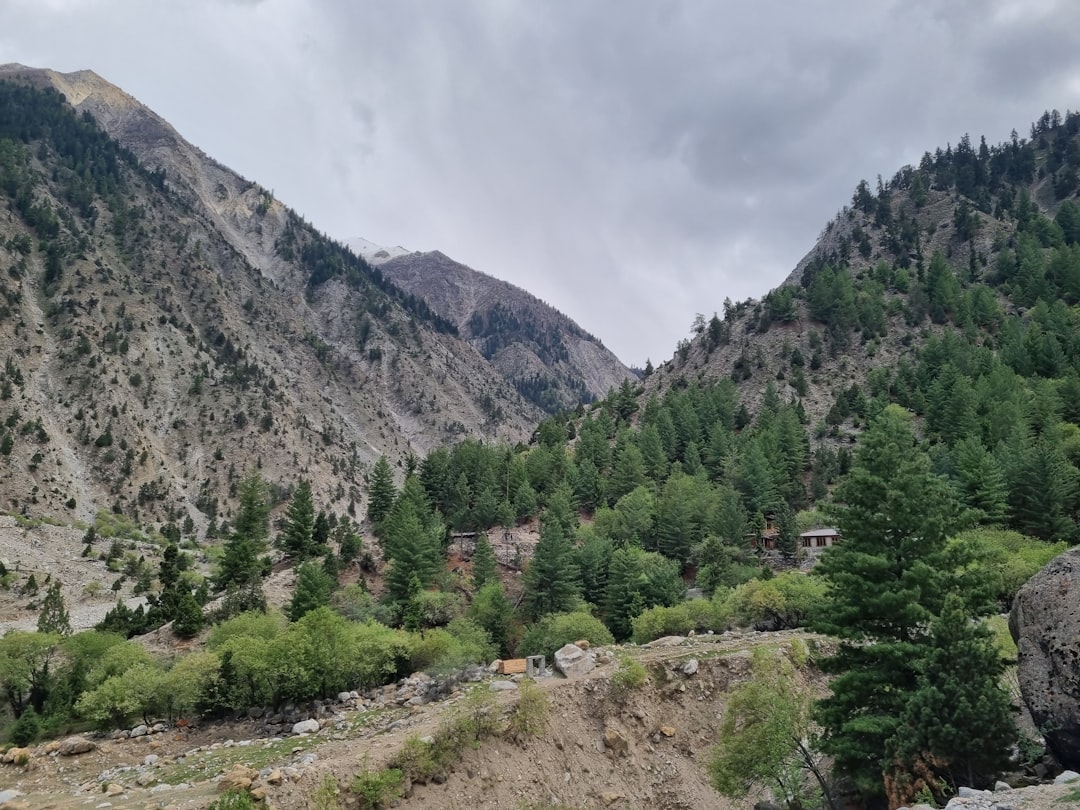
Naltar Valley (Gilgit): A side valley accessible from Gilgit through pine forests to high alpine lakes (Naltar Lake, Bashkiri Lake) at 3,200m. The emerald and turquoise glacial lakes against pine trees and mountains are extraordinarily photogenic. 2-hour jeep from Gilgit.
K2 base camp during expedition season: The Concordia camp in July has an extraordinary international atmosphere — teams from dozens of countries attempting the world’s most dangerous mountain. Trekkers without summit ambitions share the base camp area with serious mountaineers. The human drama overlaying the geological drama is unique.
Festivals & Events
Shandur Polo Festival (early July): The defining July event.
Pakistan Independence Day preparations (August 14): National preparation events begin in July.
Practical Tips
Shandur Polo Festival logistics: book accommodation in Gilgit or Chitral city (the nearest bases) 2–3 months ahead. Drive arrangements through local tour operators. The road to Shandur from Gilgit passes through Gupis and Phundar — allow 8–10 hours for the drive with stops.
Monsoon in the south: Karachi and Lahore in July are uncomfortable. The coastal road travel and heritage tourism of winter months is not July’s agenda.
The Karakoram monsoon shadow: unlike the rest of South Asia, the high Karakoram receives minimal monsoon rainfall due to the rain shadow of the Himalayan chain. July in the northern areas is reliably clear.
Who July Is For
Shandur Polo Festival attendees — this is a specific pilgrimage to an extraordinary event. Deosai National Park brown bear enthusiasts. K2 base camp trekkers at the climbing season peak. And anyone pursuing the full northern Pakistan mountain experience at its annual climax.
Plan your trip