Pakistan in August: Independence Day, K2 Summit Season Peaks, and Monsoon Lowlands
Plan your trip
August is Pakistan’s most patriotic month and the peak of the K2 summit season. Independence Day on August 14 fills every city with green and white national colors, flag ceremonies, and the extraordinary collective pride of a young nation that is acutely aware of its own history. In the mountains, K2 summits are attempted as weather windows open. The northern valleys are at their warmest and most accessible.
Weather & Conditions
Hunza and northern areas: 18–30°C. Warmest month. Valley temperatures are genuinely summery.
Skardu: 14–26°C. Expedition season peak.
Lahore: 32–38°C with monsoon humidity and rain. Hot and wet.
Islamabad: 28–36°C with monsoon rain. Uncomfortable.
Karachi: 26–32°C. Monsoon continues. Flooding risk in low-lying areas.
Gilgit-Baltistan (high): Clear and warm. Minimal monsoon effect.
What to Do
Independence Day, August 14: Pakistan’s national day is observed with flag-hoisting ceremonies at dawn at every government building, school, and public space in the country. Lahore’s Minar-e-Pakistan (the site where Pakistan’s independence was declared) and Islamabad’s D-Chowk are the main gathering points. The green-and-white flags cover every vehicle, building, and lamp post. Pakistani patriotism is deeply felt and entirely genuine.
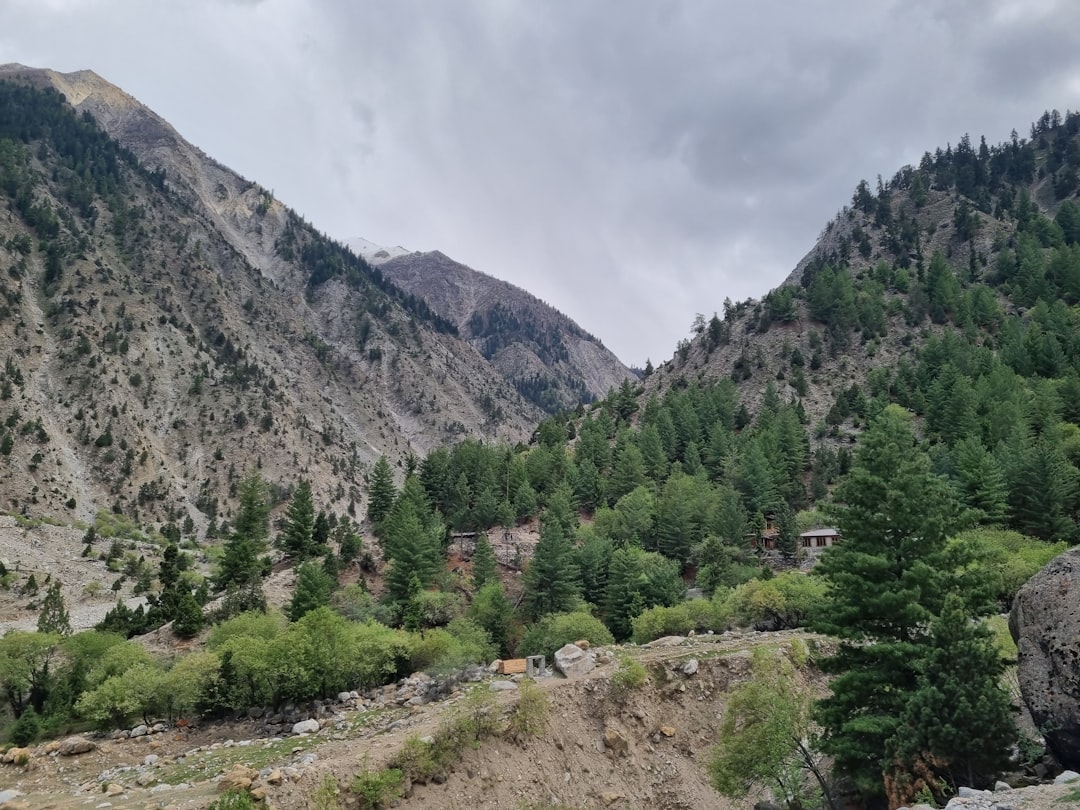
Hunza in summer: August is the warmest month in Hunza Valley — apricots are harvested and dried on rooftops, cherry and apple orchards are producing, and the landscape is fully green and spectacular. Walk the ancient irrigation channels above Karimabad through orchards and terraced fields to the old villages above town.
Shimshal Valley expedition: The remote Shimshal Valley above Passu village — a 45km jeep track from the KKH — is one of Pakistan’s most isolated and extraordinary communities. The Shimshal people graze yaks on the 4,800m plateau pasturelands in summer. A 4–5 day trek to the Shimshal Pamir is one of Pakistan’s finest wilderness experiences.
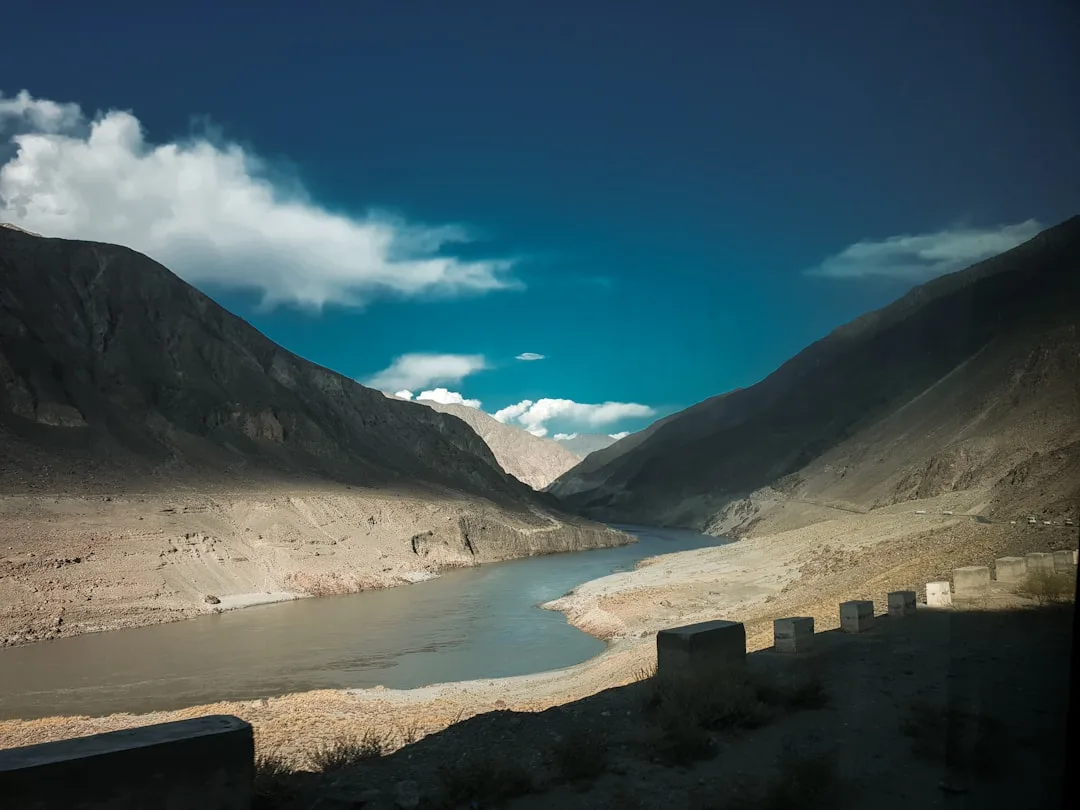
Attabad Lake kayaking: The Attabad Lake — created by a 2010 landslide that drowned several villages — is now a striking turquoise lake 21km long in the Karakoram landscape. Kayaking and boat tours on the lake are available from Attabad village.
Muzaffarabad and Azad Kashmir: The capital of Pakistan-administered Kashmir is surrounded by mountain scenery accessible in August. The Neelam Valley — the Kashmir Valley’s most scenic section — is a 4-hour drive from Islamabad. The apple orchards of Sharda and the forest of the upper valley are August highlights.
Festivals & Events
Independence Day (August 14): Pakistan’s 78th independence anniversary in 2025. National holiday with flag ceremonies, military parades, and cultural events.
Jashn-e-Azadi (Independence celebrations): Multi-day celebrations in major cities building up to and following August 14.
Practical Tips
Independence Day travel: August 14 is an enormously significant holiday in Pakistan. Domestic flights and trains are at maximum capacity for the 14th. Book weeks ahead.
Lahore in August: the combination of heat (36°C+) and monsoon humidity makes outdoor sightseeing genuinely exhausting. If Lahore is on the itinerary in August, restrict outdoor activities to before 9am and after 5pm.
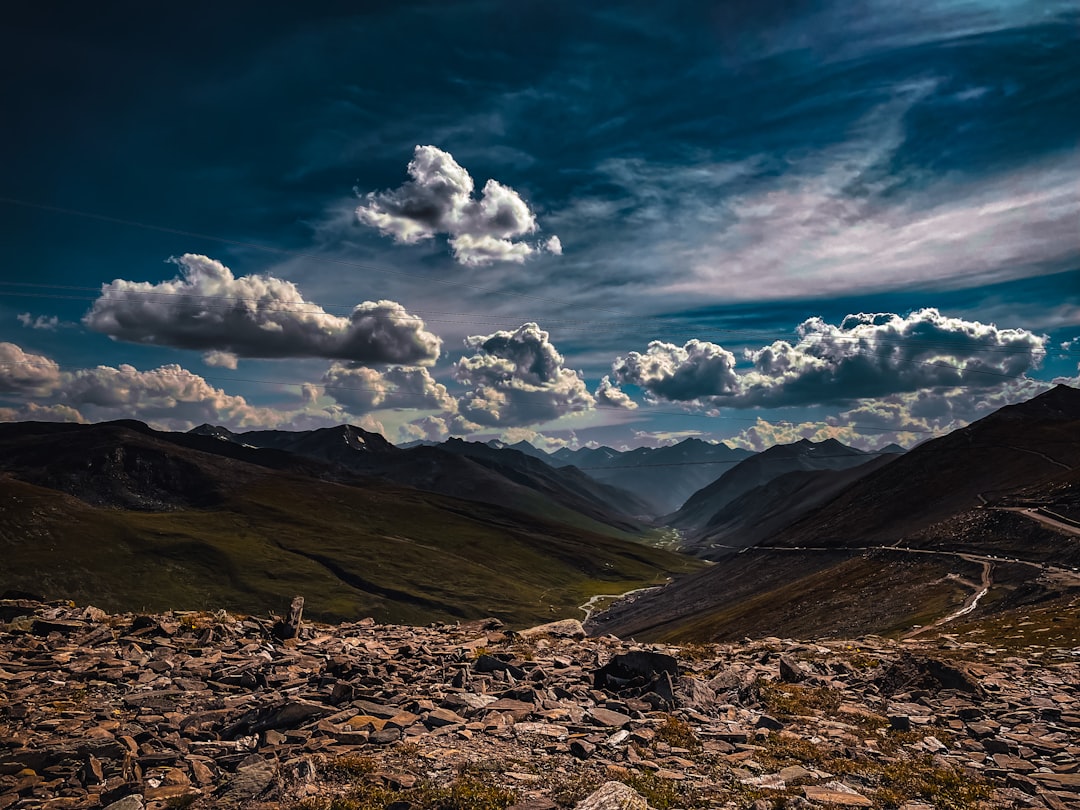
Northern areas in August: the best month for valley temperatures but the trekking season is at its most crowded — the Baltoro/Concordia route and Fairy Meadows are busier than June–July.
Who August Is For
Anyone who wants to witness Pakistan’s Independence Day national pride — it’s a genuinely extraordinary experience. K2 summit season followers (some years see the climbing news coverage focusing on late-August summit attempts). Hunza summer visitors who want the warmest valley temperatures. And Pakistani diaspora who time their home visits to the national holiday.
Plan your trip