Best Time to Visit Peru: Month-by-Month Guide
Plan your trip
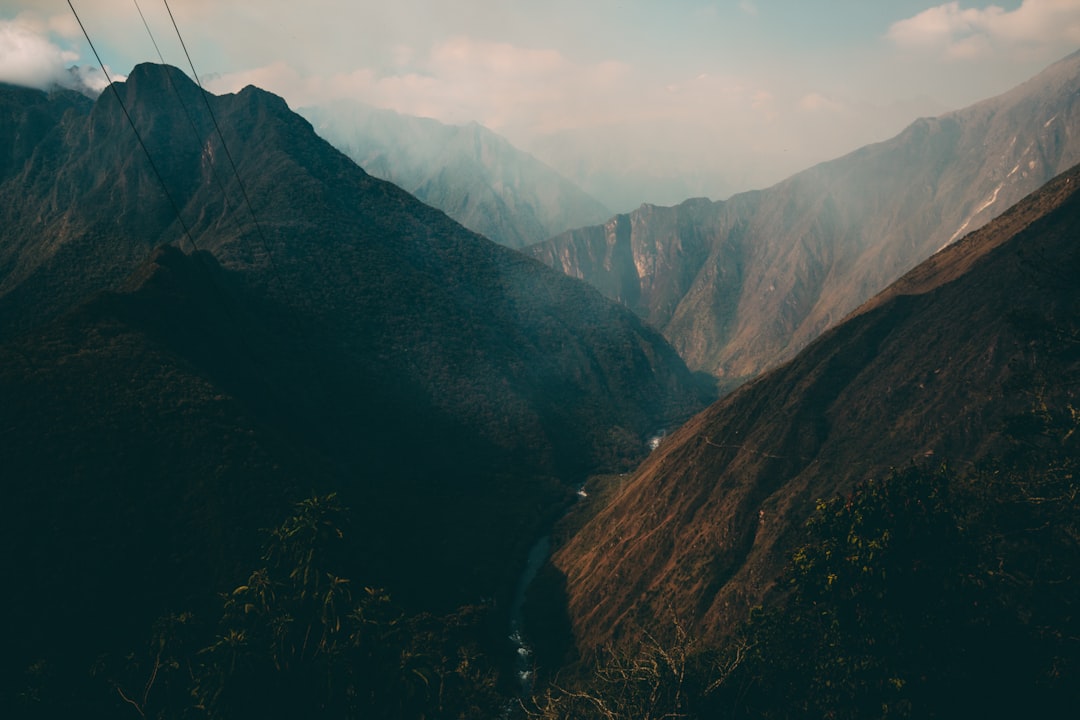
Peru’s geography creates completely different weather zones: the Pacific coast (Lima) is mild and grey year-round, the Andean highlands have distinct dry and wet seasons, and the Amazon is hot and humid with varying rain patterns. Planning around these differences is essential.
The Short Answer
Best for Machu Picchu & the highlands: May–October (dry season)
Best for the Inca Trail: May–September (closed February)
Best for Lima: December–April (sunniest)
Best for the Amazon: Year-round — river levels affect access
Avoid: February in the highlands (wettest, Inca Trail closed)
Month-by-Month
January
Highlands: Wet season continues. Machu Picchu is green and misty — beautiful but rain is possible any day. Fewer tourists than peak season. Lima: Beginning of sunny season (lasts until April). Hot, clear, and perfect for coastal exploring. Amazon: High water season — excellent for spotting wildlife from boats.
February — Avoid highlands
Inca Trail closed the entire month for maintenance. Machu Picchu remains open via bus from Aguas Calientes. Wettest month in Cusco. Not recommended for mountain travel.
March–April
Wet season ending. March can still be rainy; April is transitioning. Landscapes are spectacularly green. Fewer crowds. The Inca Trail reopens in March.
May ⭐ Excellent
Dry season begins. Clear skies over Machu Picchu. Cusco warms up. One of the best months to visit — pre-peak season crowds, good weather, lower prices.
June–August ⭐ Peak Season
Dry season. Clear skies, cold nights in Cusco (0–5°C at night, 18–22°C days). June 24 is Inti Raymi — the Inca Festival of the Sun at Sacsayhuamán, Cusco’s biggest annual event. July and August are the busiest months — Machu Picchu timed entries sell out well in advance. Book everything months ahead.
September ⭐ Great
End of dry season — good weather with fewer tourists than peak. Machu Picchu entry still requires booking but less far in advance. Often excellent value.
October
Transition month. Weather still largely good in early October, becoming more unpredictable by month’s end. Good balance of weather and lower crowds.
November
Wet season beginning. Rain picks up in the highlands. Lima continues its grey winter (garúa) through November.
December
Full wet season. Machu Picchu has mist and daily rain — dramatically beautiful but planning for rain is essential. Christmas week is surprisingly busy (Peruvian and South American tourists). Lima starts its sunny season from December.
Regional Guide
| Destination | Best Time | Notes |
|---|---|---|
| Machu Picchu | May–September | Book tickets months ahead in peak season |
| Inca Trail (4-day) | Mar–January | Closed February; peak permits sell out in 10 minutes |
| Cusco city | Year-round | Best weather May–September |
| Sacred Valley | May–September | |
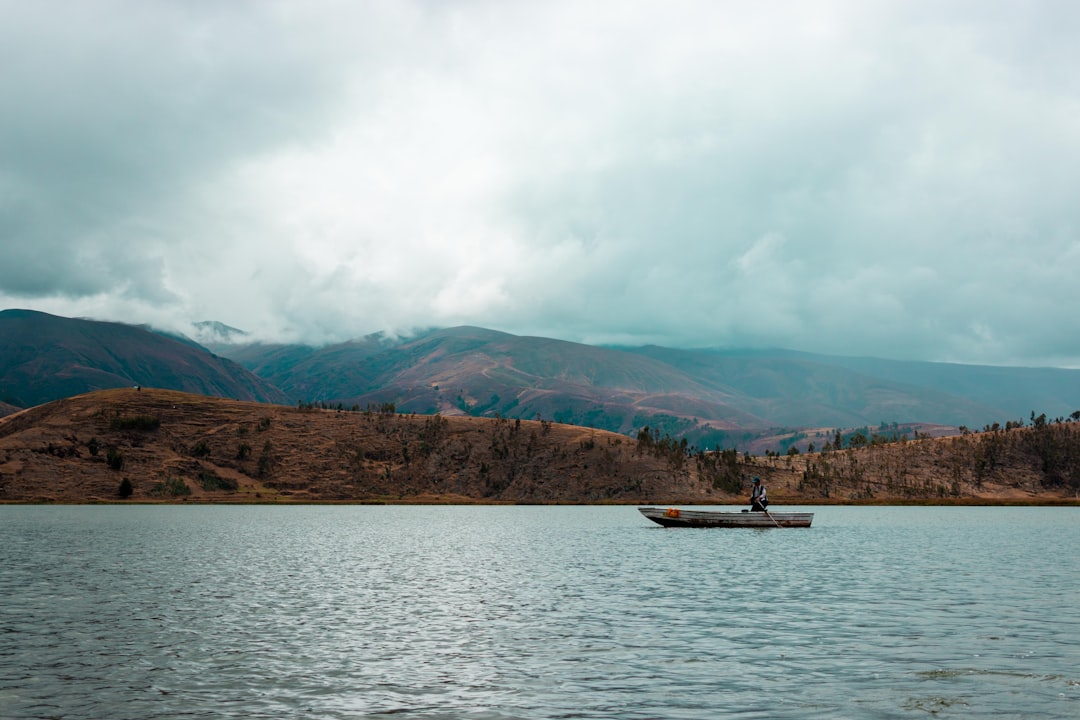
| Lake Titicaca | Apr–October | Cold at night year-round (3,800m) |
| Nazca Lines | Year-round | Flights go daily (can be cancelled in poor visibility) |
| Paracas/Ballestas | Year-round | Winter fog June–November |
| Amazon (Puerto Maldonado) | Year-round | High water (Jan–Apr) great for boat wildlife; low water (May–Oct) better for walking |
| Lima | December–April | Sunniest; May–November grey and drizzly (garúa) |
Key Events
| Date | Event |
|---|---|
| February | Carnaval — celebrations across Cusco and Puno |
| March/April | Holy Week — dramatic Easter processions in Cusco |
| June 24 | Inti Raymi (Festival of the Sun) — Sacsayhuamán, Cusco |
| July 28–29 | Peruvian Independence Day |
| November (full moon) | Puno Week — Lake Titicaca cultural festival |
| December | Santuranticuy Market — traditional Christmas craft market in Cusco |
Inca Trail Permit — Critical Planning Note
The 4-day Inca Trail to Machu Picchu has a strict limit of 500 permits per day (including porters). For peak months (May–August), permits can sell out within minutes of opening (usually on January 1 for the following year). Book through a licensed Peruvian operator as far in advance as possible. The 2-day Inca Trail and alternative routes (Salkantay, Lares, Choquequirao) have more availability.
Plan your trip