Peru in January: Rainy Season, Empty Machu Picchu, and Amazon at Its Best
Plan your trip
January is Peru’s wet season in the highlands and one of the Amazon’s richest periods for wildlife. The iconic Inca Trail is closed for maintenance throughout February (and gets progressively wetter in January). Machu Picchu operates but under frequent cloud and rain. The tradeoff is real: green Andean landscapes, substantially fewer tourists, and prices significantly below the dry season peak. For the right traveler, January Peru is compelling.
Weather & Conditions
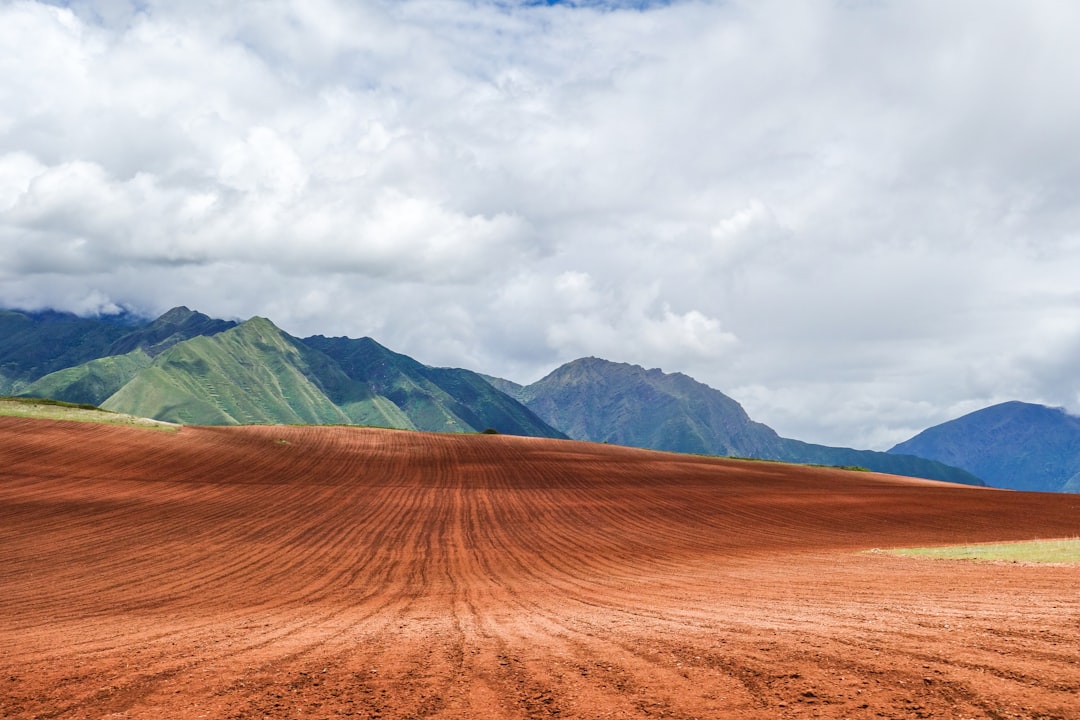
Cusco and the Sacred Valley: 10–20°C. Rain is frequent — typically afternoon downpours, with mornings more likely to be clear. The mountains are vivid green. Temperatures are mild by daytime but cool at night.
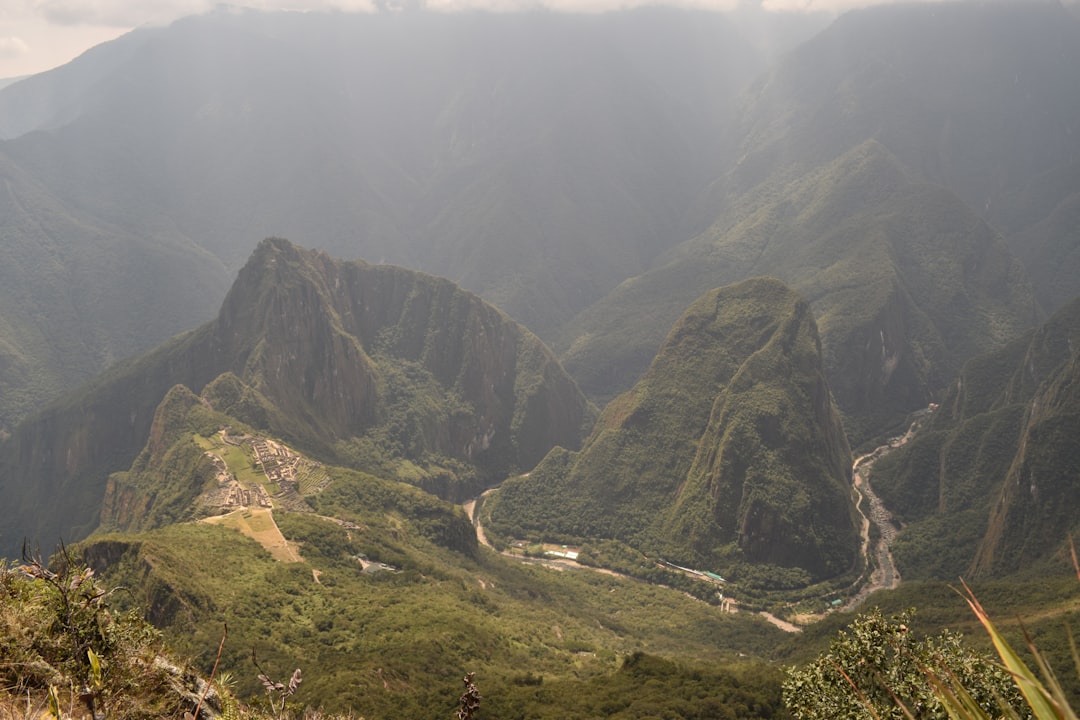
Machu Picchu: 14–22°C, with significant cloud and regular rain. The citadel can be beautiful in mist; it can also be entirely cloud-covered for hours. Morning visits (arriving at opening) offer the best chance of cloud-free windows.
Lima: 18–24°C. Lima’s coast is overcast (the winter garúa coastal fog) and warm. Not a beach month on the coast but the city is fully operational.
Amazon (Iquitos, Puerto Maldonado): 28–34°C, high humidity. The rainy season means flooded forests — lakes form around the tree bases and boat access opens routes impossible in dry season.
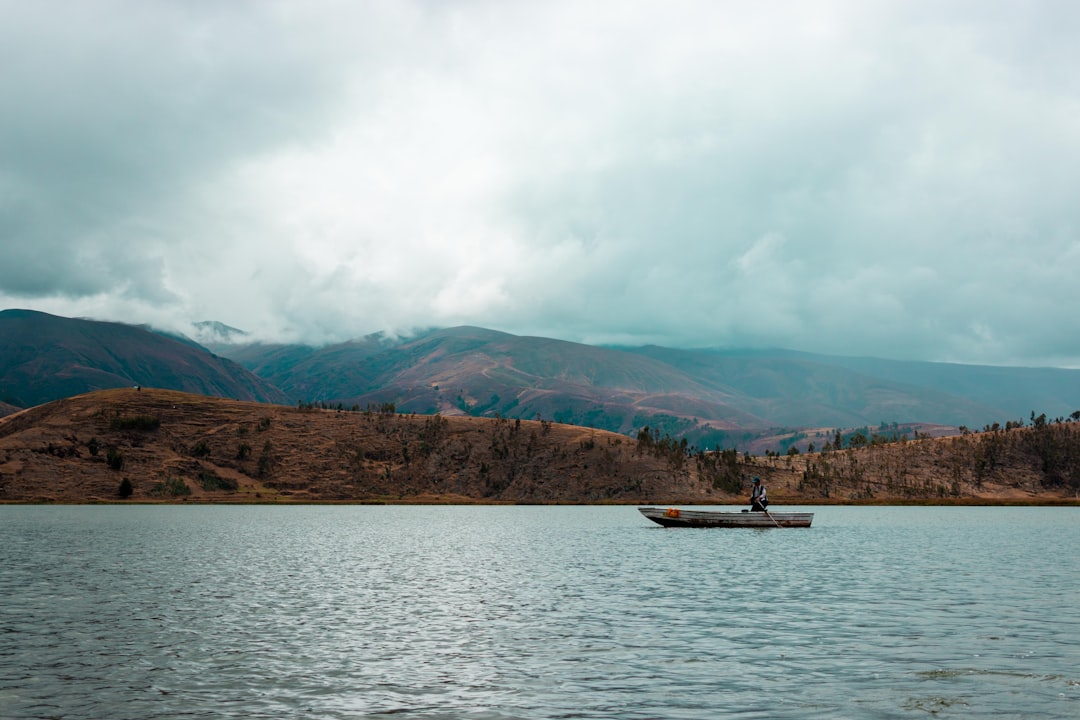
Lake Titicaca (Puno): 8–16°C. Rain and cold. The lake is full and dramatic.
What to Do
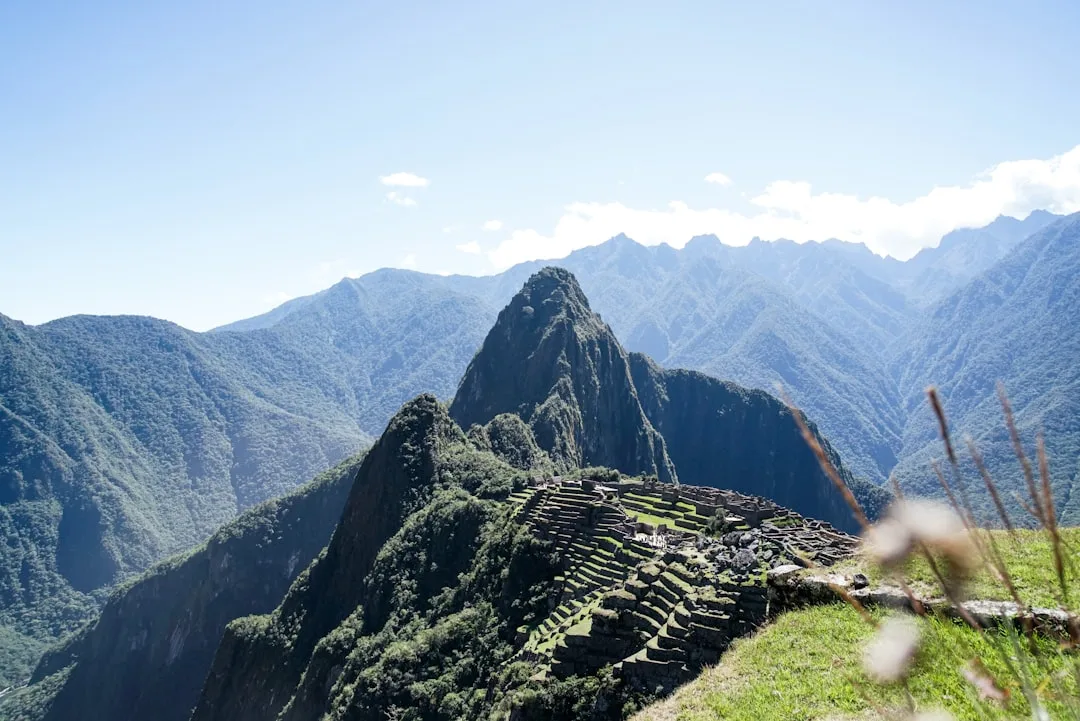
Machu Picchu — early morning visits: The citadel is open year-round. January’s cloud can lift to reveal the ruins against green mountains in ways that clear-sky photos simply can’t capture. Arrive on the first bus from Aguas Calientes (5am). Timed entry tickets are required — book 2–3 months ahead through the official Peru Machu Picchu ticket system (machupicchu.gob.pe).
Amazon jungle, Madre de Dios (Puerto Maldonado): The flooded Amazon in January creates extraordinary wildlife access. Caimans are highly visible in the water. Giant otters fish the river systems. Macaws gather at clay licks. Harpy eagles and various macaw species are active. Stays at jungle lodges in the Tambopata National Reserve — Inkaterra Reserva Amazonica, Refugio Amazonas — are excellent in January.
Iquitos and the Upper Amazon: The Pacaya-Samiria National Reserve (accessible from Iquitos) is at its best in the flooded season — boats navigate through forest at canopy level, pink and grey river dolphins are plentiful, and the bird diversity is extraordinary.
Sacred Valley — village markets and local culture: The towns of Pisac (Sunday market), Chinchero, and Ollantaytambo are excellent in January rain — the local markets are genuinely for locals rather than tourists, the colors of the weaving textiles contrast with grey skies, and the Inca terraces glow intensely green.
Lake Titicaca and the Uros Islands: The floating reed islands of the Uros people on Lake Titicaca operate year-round. January rain makes Titicaca grey and dramatic. Staying overnight on Amantani Island or with an Uros family is possible and provides a very different perspective from the day-trip version.
Festivals & Events
Fiesta de la Candelaria preparations (Puno, February — but January sees dance group practices begin): Puno’s extraordinary February festival — the most elaborate carnival in the Americas outside Rio — involves 200+ dance groups preparing their costumes and choreographies throughout January.
New Year (January 1): Peru’s New Year is celebrated with fire (burning of effigies representing the past year), family gatherings, and fireworks. Lima’s Miraflores seafront and Cusco’s Plaza de Armas are the main gathering points.
Bajada de Reyes (January 6 — Epiphany): Celebrated in Cusco and throughout Peru with the ending of Christmas period, religious processions, and markets.
Practical Tips
The Inca Trail closes for maintenance throughout February. January is still open but increasingly wet — the trail can be very muddy and some sections are slippery. Alternative treks (Salkantay, Ausangate, Lares) operate throughout the wet season and reach Machu Picchu.
Machu Picchu landslide season: January–March is when weather-related closures occasionally happen. Train services from Aguas Calientes are sometimes suspended for hours. Build 1–2 extra days into any Machu Picchu itinerary to absorb potential delays.
Amazon lodges in January offer their best rates of the year — 20–30% below June–October prices.
Who January Is For
Amazon and jungle travel enthusiasts for whom the flooded forest season is specifically sought. Budget travelers who want Peru’s highlands at significantly lower cost. Travelers with flexible itineraries who can absorb weather delays. And the genuinely curious who find Machu Picchu in January mist more evocative than Machu Picchu in clear July sun.
Plan your trip