Ngorongoro Crater Guide: The World's Largest Intact Caldera
Plan your trip
The Ngorongoro Crater is the world’s largest intact volcanic caldera — a 260 km² depression ringed by 600m walls, enclosing a self-contained ecosystem that functions as a natural enclosure for approximately 25,000 large animals. The density of wildlife in the crater is extraordinary: lions are commonly seen within the first 20 minutes of descent; elephants walk past the vehicle as it stops for lunch; flamingos pink the shores of Lake Magadi at the crater floor. It’s the single site in East Africa with the highest probability of seeing all five members of the “Big Five” (lion, leopard, elephant, buffalo, rhino) within a single day.
The crater is also, paradoxically, the most easily criticized of Tanzania’s major parks — the concentration of vehicles around large predator sightings can create a traffic jam on the crater floor that contradicts the wilderness quality visible everywhere else. Understanding how and when to visit determines whether the experience is transcendent or irritating.
The Geology
Ngorongoro is a collapsed volcanic caldera — formed approximately 2.5 million years ago when a massive volcano (estimated to have been higher than Kilimanjaro) erupted catastrophically and its magma chamber collapsed inward. The resulting depression filled with a partial ecosystem: Lake Magadi (a soda lake) in the southwest, Lerai Forest (a yellow fever acacia woodland), hippo pools at Ngoitoktok Spring, and the open grassland and scrub that covers most of the crater floor.
The rim elevation is 2,200–2,400m; the crater floor is at 1,800m. The altitude means the crater is significantly cooler than the surrounding plains, and morning mist often fills the crater before burning off by 9–10 AM.
Wildlife
Black Rhinoceros
Ngorongoro is one of the last places in East Africa with a reliable wild black rhino population — approximately 26 rhinos live permanently within the crater (2024 count). They’re seen regularly on the open grassland and at the forest edges. This is a critically endangered species; seeing one in genuinely wild conditions is increasingly rare worldwide.
The Ngorongoro Conservation Area Authority (NCAA) tracks individual rhinos by name and ear-tag; your guide will know the day’s sighting reports.
Lions
An unusually dense lion population — approximately 60 lions in the crater. The crater’s natural enclosure means lions and prey have co-evolved at close quarters; the lions are large and well-fed compared to Serengeti populations. Morning game drives reliably find lions, often within 10 minutes of reaching the crater floor.
Elephants
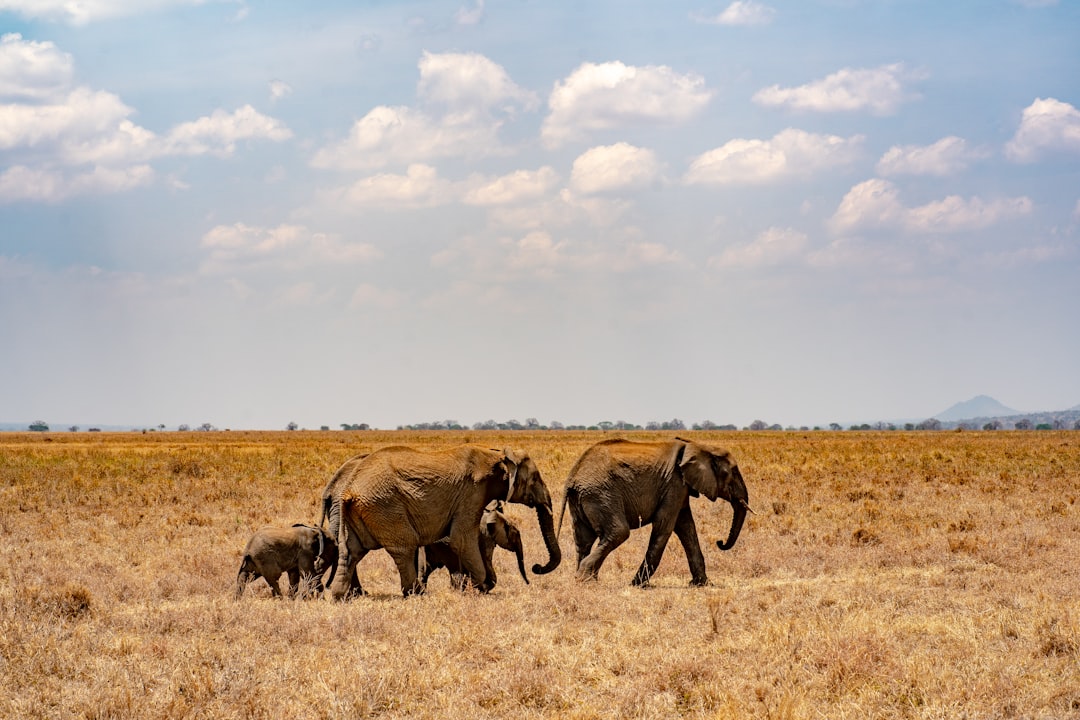
Large-tusked old bulls frequent the Lerai Forest. The Ngorongoro elephants tend to be older males; the breeding herds with calves are more often seen on the Serengeti plains to the north.
Spotted Hyenas
The crater has the densest hyena population in Africa — approximately 400 individuals. They’re active at dawn and dusk; finding a hyena den with cubs is common in the southern grassland.
Flamingos
Lake Magadi hosts up to 1 million lesser flamingos in the right conditions (dependent on water level and algae availability). The pink-tinted shoreline visible from the lake edge is a classic Ngorongoro image.
Game Drive Logistics
Vehicle and Time Rules
The NCAA imposes strict access regulations:
- Entry time: No vehicles allowed in the crater before 6 AM; vehicles must leave the crater floor by 6 PM.
- Vehicle quota: A daily vehicle quota limits the total number of 4WDs on the crater floor (approximately 200 vehicles/day). Visit during off-peak season or weekdays to reduce vehicle density.
- Fees: $295/vehicle/day (foreign visitor rate, 2024). Per-person park fees additionally.
Descent Routes
Two roads descend from the rim to the crater floor — the eastern descent (Seneto) and the western ascent (Lerai). Vehicles descend via Seneto and ascend via Lerai (one-way system). The descent through the crater wall forest (dense vegetation, colobus monkeys, mountain reedbuck) is part of the experience.
Morning vs. Afternoon
Morning (6–10 AM): The prime game drive window. Lions are active, the light is excellent for photography, and the mist clearing from the crater floor creates atmospheric conditions.
Midday (11 AM–2 PM): Lions are resting, heat reduces animal activity, vehicle density at the lion sightings increases. The lunch stop at Ngoitoktok Spring picnic area (hippos directly adjacent) is the best midday activity.
Late afternoon (3–6 PM): Animals become active again; hyenas and jackals begin moving; potential for predator activity at the lake edge.
The Rim
The Ngorongoro Crater Rim has a different character from the crater floor — highland forest, Maasai settlements, and the dramatic views into the crater.
Maasai Communities
The Ngorongoro Conservation Area is a multiple-use area — unlike a national park, permanent Maasai settlement is permitted on the rim. Approximately 80,000 Maasai live in the NCA. Their cattle are allowed to graze on the crater floor (lions occasionally take cattle; the Maasai tolerate this as part of the co-existence arrangement).
Cultural tourism to Maasai villages (bomas) is available on the rim — guided visits to working settlements, demonstrating traditional practices (fire-making, jumping dance, beadwork). Prices are negotiated; expect to pay for photographs. The best visits are arranged through reputable operators who have established relationships with specific communities rather than roadside walk-in offers.
Olduvai Gorge
45 km northwest of Ngorongoro, en route to the Serengeti — the site where Louis and Mary Leakey discovered Homo habilis (1960) and multiple fossil hominid remains spanning 3.6 million years. The on-site museum covers the discoveries. Most northern circuit safaris stop here; 30–45 minutes is sufficient.
Combining Ngorongoro with the Serengeti
The standard northern circuit combines both parks — typically 2 nights on the Ngorongoro rim and 3–4 nights in the Serengeti. The logical sequence:
Arusha → Ngorongoro (2 nights) → Olduvai Gorge → Central Serengeti (2–3 nights) → Northern Serengeti if Great Migration crossing (1–2 nights in July–October) → Arusha or Kilimanjaro Airport
The distance from the crater rim to the central Serengeti (Seronera) is 3.5–4 hours by road through the Ndutu area (south Serengeti) — increasingly good road, dramatic landscape, often excellent wildlife en route.
Practical Notes
Where to stay:
- Crater rim camps and lodges: The best choice — wake up at the crater edge, first descent vehicles in the morning. Ngorongoro Crater Lodge (One&Only, luxury), Ngorongoro Serena Safari Lodge (mid-range), and several tented camps.
- Budget: Simba Campsite on the crater rim (brings you closer to the wildlife and guides but requires full camping kit or budget operator).
Booking: The rim lodges at the crater edge (particularly the luxury options) book out months ahead in peak season. Arrange through your safari operator.
Climate: The crater rim can be cold (8–15°C at night), foggy in the early morning, and occasionally rainy. A warm layer is necessary regardless of the lowland season.
Plan your trip