Serengeti Safari Guide: The Great Migration, Parks & Planning
Plan your trip
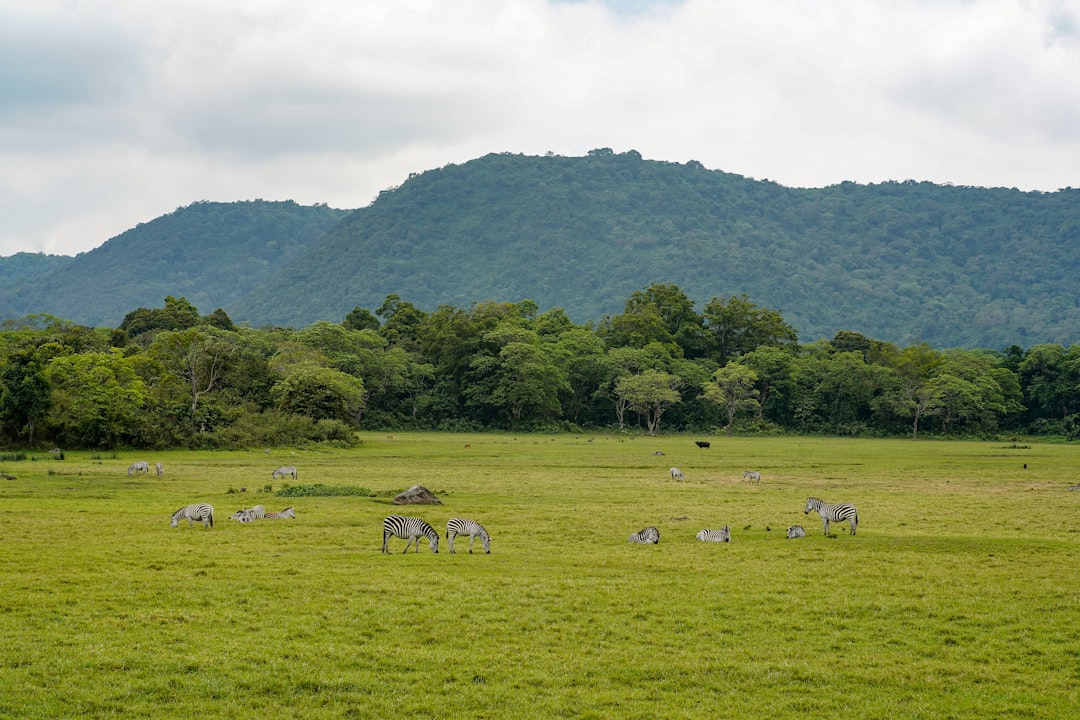
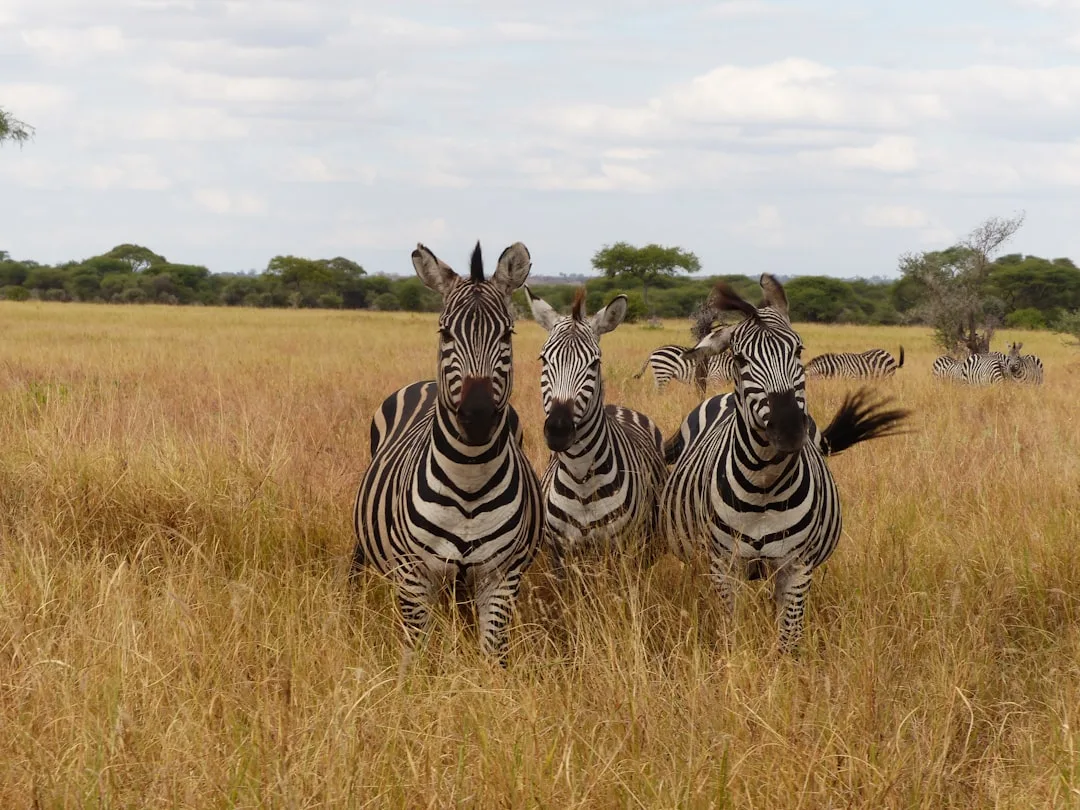
The Serengeti ecosystem is the largest intact wildlife migration system on earth — 1.5 million wildebeest, 250,000 zebra, and 500,000 gazelle moving in a continuous annual circuit across 40,000 square kilometers of Tanzania and Kenya. The experience of seeing this — standing on a ridge above the Mara River watching a river crossing, or driving through a herd so dense that the car is surrounded from horizon to horizon — is one of the genuinely irreplaceable wildlife experiences left on the planet.
This guide covers the planning logistics that determine whether a Tanzania safari is brilliant or merely expensive.
The Great Migration Calendar
The migration is driven by rainfall and the resulting grass growth. The herd’s location changes throughout the year:
December – March (Southern Serengeti, Ndutu region): Calving season. 400,000+ calves are born in a 3-week period. The predator concentration is at its highest; cheetah, lion, and hyena hunt the vulnerable calves continuously. The grass is short (post-rains), making predator sightings easier. Best season for calving drama.
April – May (Central/Western Serengeti): The rains return; the herd begins moving northwest. Long rains make roads difficult; this is the “green season” — fewer tourists, lower prices, lush landscape. Rain typically falls in afternoon and overnight.
June – July (Northern Serengeti, approaching the Mara River): The herd congregates on the Mara River’s southern bank, preparing to cross. River crossings begin — some of the most dramatic wildlife events in the world. Crocodiles wait in the river; the herd crosses in chaotic, spectacular surges. Crossings are not predictable; you may wait hours and see nothing, or arrive to witness 50,000 animals in the water simultaneously.
August – October (Northern Serengeti / Masai Mara, Kenya): Peak crossing season. The herd is at its furthest north, with the Mara River crossings happening multiple times per week at peak. Best season for river crossings. October brings the short rains and the return migration south begins.
November (Eastern Serengeti): Return south. Shorter, less dramatic than the northward migration.
The Key Parks
Serengeti National Park
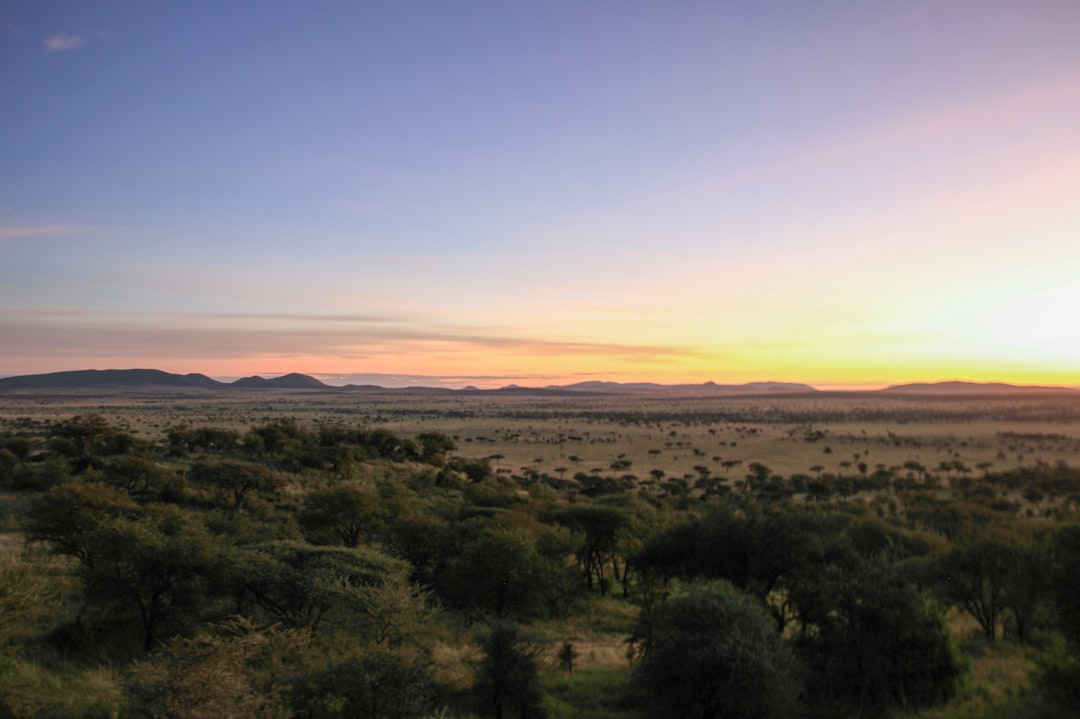
Tanzania’s premier wildlife park — 14,750 km², the core of the migration ecosystem. Access from Arusha by road (7–8 hours to the central Seronera region) or by small aircraft (45–60 minutes to any of the airstrips). The park is too large for a single camp to cover — position your camp according to where the migration is during your visit.
Camp positioning strategy:
- Southern Serengeti / Ndutu (December–March): Calving season
- Central Serengeti / Seronera (year-round for resident game, Big Five)
- Western Corridor (May–July): Migration moving northwest
- Northern Serengeti / Kogatende (June–October): River crossings
Ngorongoro Conservation Area
The Ngorongoro Crater — a volcanic caldera 19 km across and 600m deep, containing a self-contained ecosystem with an estimated 25,000 large mammals. The crater has a permanent resident population of lion, elephant, buffalo, hyena, and the densest population of black rhino in the world. Unlike the Serengeti, game doesn’t migrate in and out — everything is here year-round.
Why it’s different from the Serengeti: Guaranteed sightings of all Big Five in a compact area. The compressed geography (the entire crater floor is visible from the rim) creates a different experience — less wild, more zoo-like in terms of density, but the wildlife encounters are extraordinary.
Access: The crater descent road is one-way (descent in the morning, ascent in the afternoon). All vehicles descend and ascend together — early morning is essential. Crater floor visits: ~8 hours maximum (park regulations).
Tarangire National Park
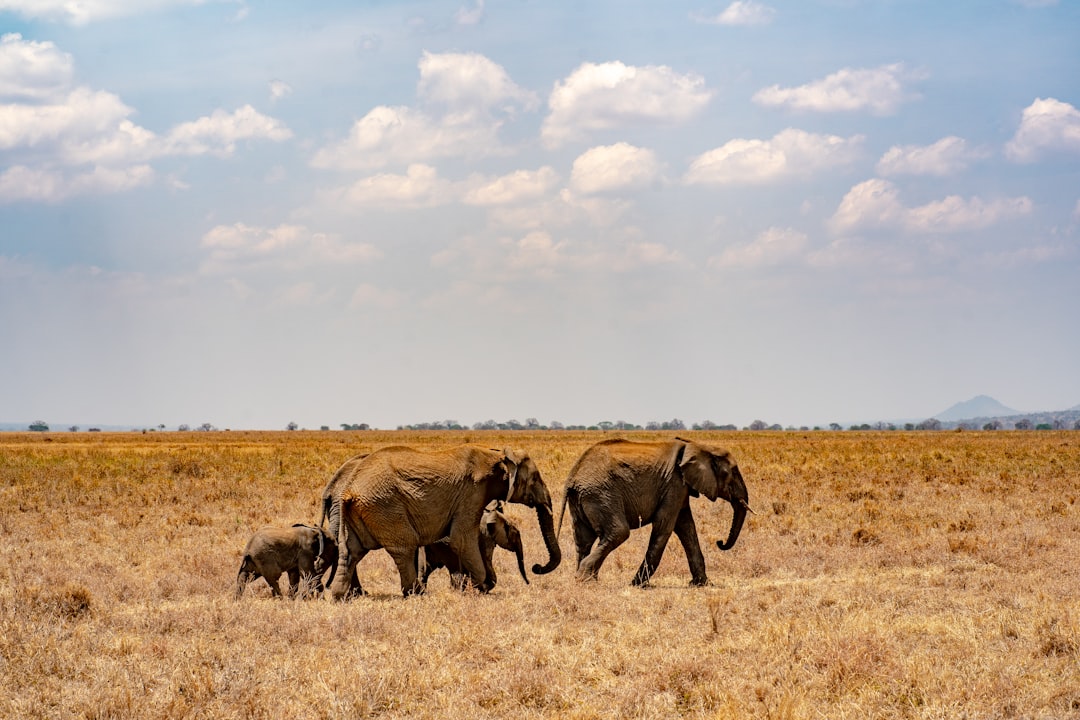
Often overlooked in favor of the Serengeti, Tarangire has the highest density of elephants in Tanzania — herds of 300+ animals are possible. The baobab trees create a distinctive landscape. Best in the dry season (June–October) when wildlife concentrates around the Tarangire River.
Practical Planning
Budget Reality
A Tanzania safari is expensive. The park fees alone are significant:
- Serengeti conservation fee: $80 per person per day
- Ngorongoro Conservation Area: $80 per person per day + crater descent fee ($200 per vehicle)
- Vehicle hire: $150–250/day for a 4WD safari vehicle with driver-guide
Camp costs (accommodation per person per night):
- Budget tented camps: $100–200 (basic facilities, shared bathrooms)
- Mid-range: $250–500 (private bathroom, good food, guided game drives included)
- High-end / luxury lodges: $500–2,000+ (private tents with veranda and view, butler service, private vehicles, included activities)
A realistic 7-day safari cost (Arusha + Serengeti + Ngorongoro + Tarangire), mid-range:
- Park fees: ~$1,000 per person
- Accommodation (7 nights mid-range): ~$2,500 per person
- Vehicle + guide: ~$800 per person
- Total: ~$4,300 per person (excludes international flights to Kilimanjaro/Arusha)
Booking Through Operators vs. Independent
Most foreign visitors use a safari operator — the combination of park regulations (all visitors must be in a registered vehicle with a licensed guide), camp booking complexity, and road conditions makes independent arrangement difficult. Operators range from budget to luxury.
Reputable mid-range operators: Basecamp Tanzania, Asilia Africa, Ubuntu Travel, Nomad Tanzania.
Things to verify when choosing an operator: How old is their vehicle fleet? Do they use pop-up roof vehicles (better photography) or side-window open vehicles? What is the guide’s experience level?
When to Book
High season (June–October): Book 6–12 months ahead. The best camps at the Northern Serengeti for river crossings are booked a year out.
Green season (November–May): 2–4 months ahead is typically sufficient. Prices are 20–40% lower.
Arusha: The Safari Gateway
All northern circuit safaris begin and end in Arusha — a city of 400,000 at the foot of Mount Meru, equidistant (roughly) from Kilimanjaro International Airport and the entrance to the northern parks.
Kilimanjaro Airport (JRO): 45 km from Arusha — the primary entry point. Direct flights from Amsterdam, Doha, Nairobi, and major regional hubs.
In Arusha: Most visitors spend one or two nights before and after safari. The Cultural Heritage Centre (a complex of craft shops, restaurant, and small museum) is the standard first-day activity. The Arusha National Park (1 hour from the city) is worth visiting if you have a spare day — the Momela Lakes attract flamingos and the park has giraffe, buffalo, and colobus monkeys in accessible concentration.
Plan your trip