Tarangire National Park: Elephants, Baobabs & the Dry Season Safari
Plan your trip
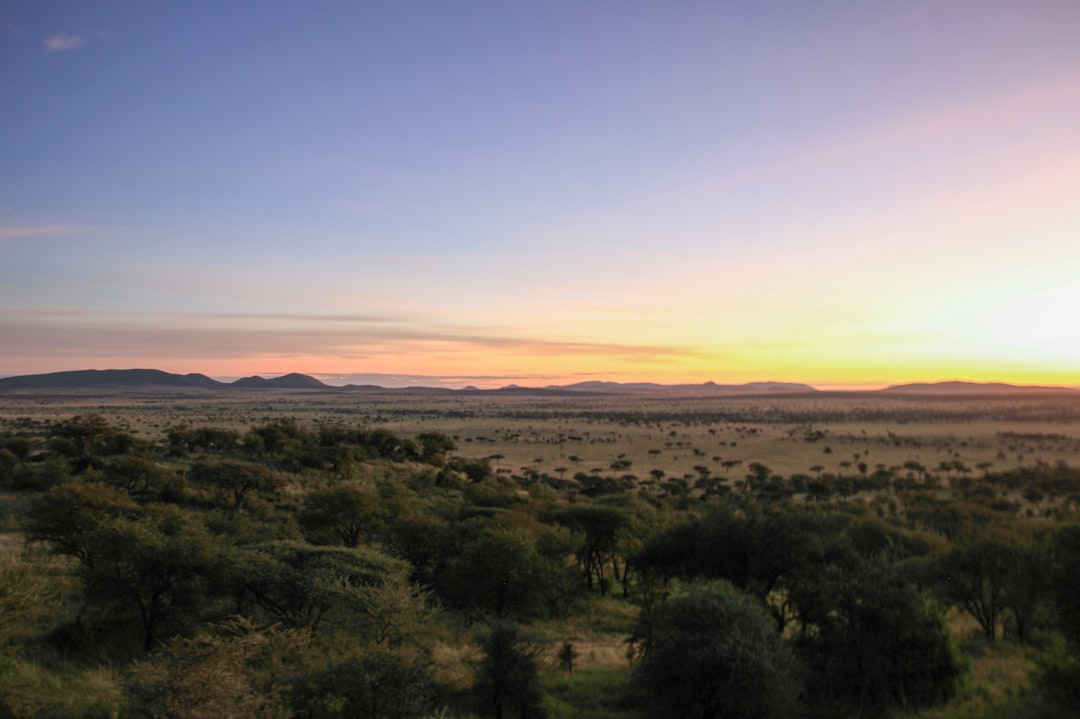
Tarangire is the most underrated park on the northern Tanzania circuit. It gets approximately one-tenth the visitors of the Serengeti, costs less to access, and in the dry season (July–October) concentrates wildlife at the Tarangire River with a density that rivals anything the Serengeti offers. The distinguishing visual feature is the baobab landscape — ancient trees with trunks 10 meters in diameter scattered across the savanna, some several thousand years old — that gives the park a different aesthetic character from the grass plains of the Serengeti or the enclosed caldera of Ngorongoro.
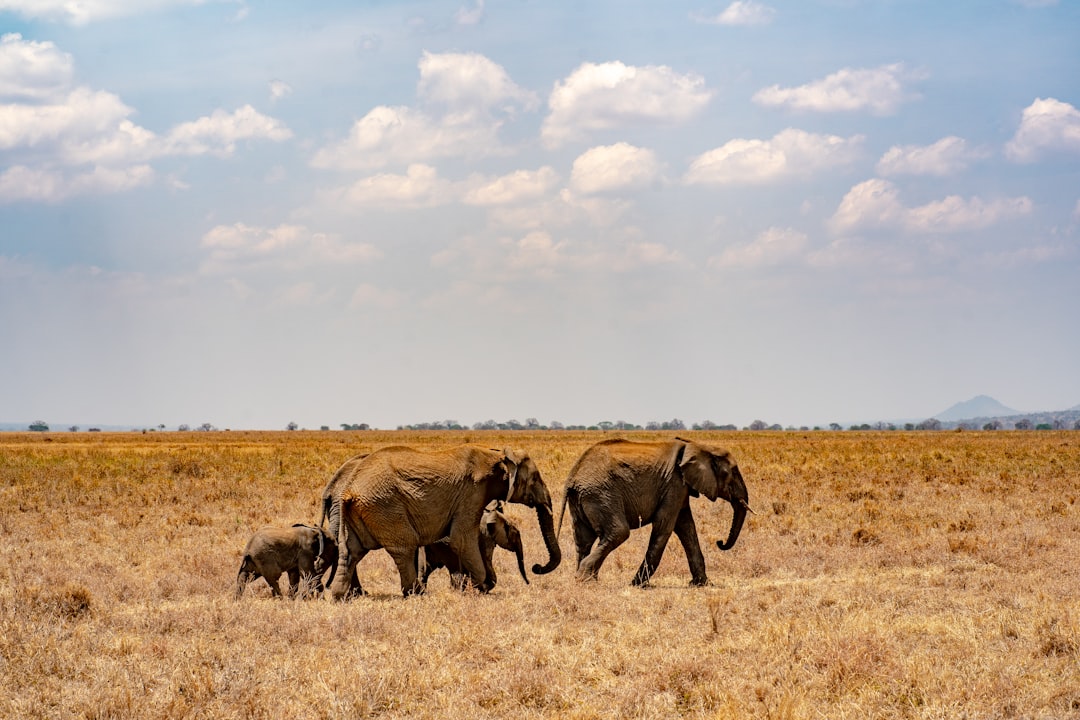
The elephant population is the highest concentration in northern Tanzania: herds of 200–300 elephants are visible in the dry season, moving between the river and the alkaline Lake Burunge to the north.
Wildlife
Elephants: Tarangire’s primary draw — large herds with strong social structure, family groups, bulls in musth, calves from months to years old. The density during dry season (July–October) is exceptional: it’s routine to have 100+ elephants in view from a single game drive position.
Large predators: Lion prides, leopard (harder to spot — the dense riverine vegetation provides cover), cheetah on the open grasslands of the park’s southern section, wild dog (the northern Tanzania wild dog population uses parts of Tarangire). Less reliable than the Serengeti but present.
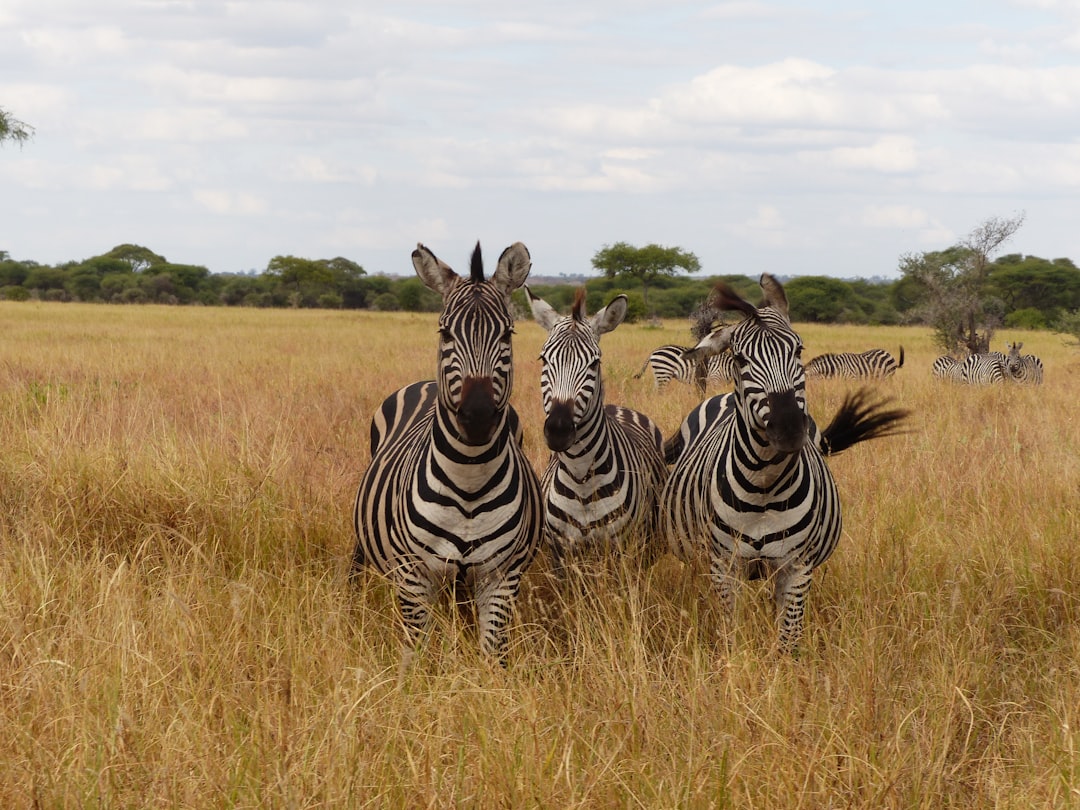
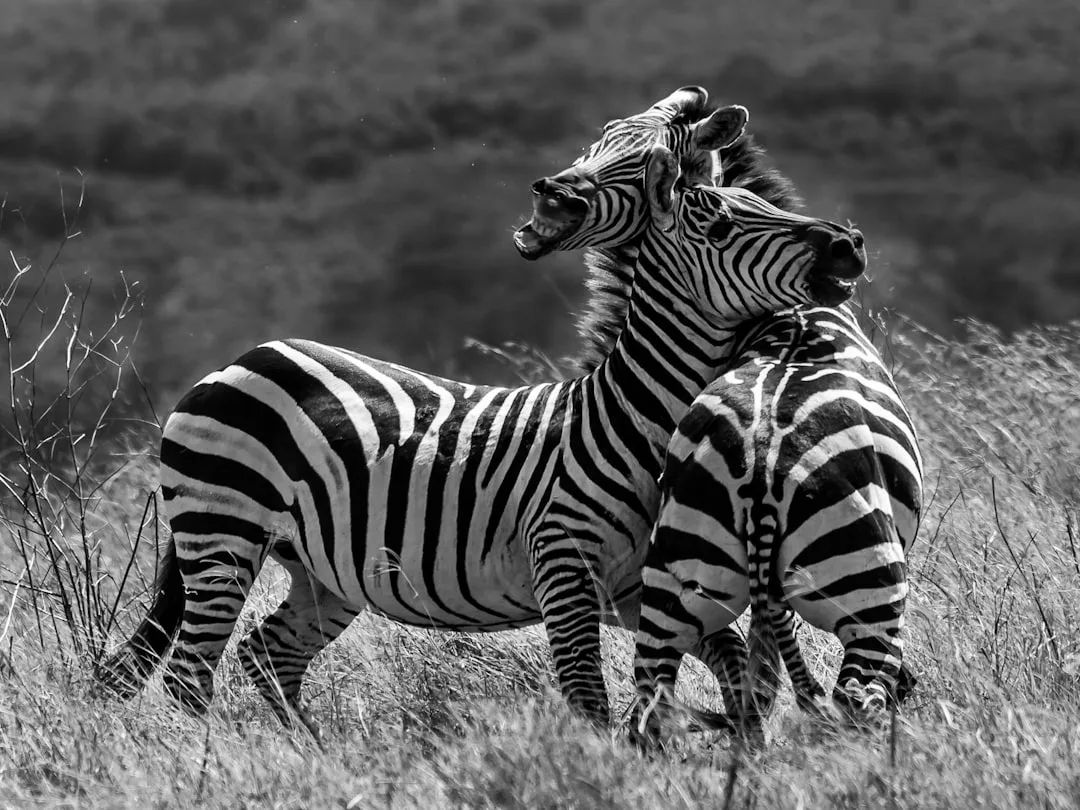
Ungulates: Wildebeest, zebra, and buffalo all present; the massive Tarangire-Manyara ecosystem supports year-round ungulate populations that don’t depend on the Serengeti migration.
Fringe-eared oryx: The dry, open sections of southern Tarangire support this distinctive antelope species — long straight horns, painted face markings. Unusual in northern Tanzania safari circuits.
Birding: 550+ bird species recorded — Tarangire is one of East Africa’s premier birding destinations. The baobab trees host breeding populations of yellow-collared lovebirds, African grey hornbill, and various barbets. Martial eagle, pygmy falcon, and lilac-breasted roller are regular sightings.
When to Go
Dry season (July–October): Peak season for good reason. The Tarangire River is the only water source in the park when seasonal waterholes dry up — every animal within 50 km converges on it. The concentration of elephants, buffalo, wildebeest, and predators around the river in August–October is the best wildlife experience in northern Tanzania outside of the Serengeti migration.
Green season (November–June): The park is less concentrated but has advantages: newborn wildlife (calving season peaks November–January), fewer vehicles, lower prices, and the landscape is visually lush. The southern Tarangire ecosystem opens for walking safaris and specialist bush camps that don’t operate in the peak season.
Getting There from Arusha
By road: 120 km south of Arusha on the Dodoma highway — 2 hours by 4WD safari vehicle (the park gate is 7 km off the main road). Most visitors arrive in safari vehicle from Arusha or in combination with the Ngorongoro Crater and Serengeti.
Combined itinerary: A 4–5 day northern circuit typically runs Tarangire (day 1–2) → Lake Manyara (afternoon day 2) → Ngorongoro (day 3) → Serengeti (days 3–5). Tarangire starts the circuit because it’s closest to Arusha and can absorb a half-day afternoon arrival.
Park Fees and Entry
Entry fees (paid in USD) are collected at the gate:
- Conservation fee: $53.90/person/24 hours
- Vehicle fee: $40/vehicle
- Camping fee: $29.50/person/night (public campsite)
Fees are paid through the TANAPA online system (tanzanianationalparks.go.tz) — the gate now requires pre-payment confirmation.
Accommodation
Outside the park (budget-friendly): Several mid-range lodges on the park boundary offer easy morning game drive access without the premium interior prices. Kichakani Serengeti Camp runs an affordable tented camp 3 km from the gate.
Inside the park (mid-range): Tarangire Safari Lodge (long-established, good location above the river bend), Olivers Camp (upscale, walking safari focus in the remote southern sector).
Luxury tented camps: Sanctuary Swala, Little Oliver’s — positioned in quieter southern sectors, offering walking and night drives unavailable in the main visitor areas.
Practical Notes
- Walking safaris: Permitted in the southern zones with licensed walking guides. The only option for experiencing the bush at ground level outside a vehicle
- Night drives: Allowed in some concession areas adjacent to the park. The nocturnal elephant and predator activity is different in character from the day
- Crowds: Even at peak season, Tarangire has a fraction of the Serengeti’s vehicle numbers. The main road along the river can be busy; the western section (Mkungu area) stays quiet
Plan your trip