Tanzania in January: Short Dry Spell, Ngorongoro at Its Greenest, Zanzibar in Season
Plan your trip
January is one of Tanzania’s most rewarding months for wildlife photography. The short rains of November have ended, the long rains are still months away, and the Serengeti’s southern plains are at their most dramatic: Wildebeest calving season is in full swing, with hundreds of thousands of calves born within a six-week window. Predator activity is exceptional. And Zanzibar’s east coast is in ideal condition — the northeast trade winds keep things dry and breezy.
Weather & Conditions
Serengeti (Southern): 22–30°C. Dry and warm with residual green from the short rains. Visibility is excellent — the grass is shorter than mid-year.
Ngorongoro Crater: 18–24°C. The crater rim can be cool and misty in the morning. The crater floor is warm and accessible.
Arusha / Northern Circuit: 18–28°C. Warm and relatively dry.
Zanzibar (Unguja): 26–30°C. The northeast monsoon (kaskazi) has ended; January and February are the finest beach months on the east coast. Minimal rain. Northeast trade wind keeps it comfortable.
Mount Kilimanjaro: January is one of the drier months for Kilimanjaro. Good conditions for the Machame and Marangu routes.
What to Do
Wildebeest calving, Southern Serengeti (Ndutu area): January–March is calving season in the Southern Serengeti around the Ndutu woodlands. Over 400,000 wildebeest calves are born, drawing packs of spotted hyenas, lion prides, cheetah families, and wild dogs to the plains. The concentration of predator activity makes this one of the best wildlife-watching periods of the year. Stay at camps around Lake Ndutu for prime access.
Ngorongoro Crater game drive: Tanzania’s most concentrated wildlife viewing is in the Ngorongoro Crater — a 260km² volcanic caldera with an estimated 25,000 large mammals. Black rhino (one of the last viable populations in East Africa), lion, elephant, hippo, and huge flamingo flocks in Lake Magadi. January is a good month — the crater is green and beautiful. Book crater entry permits well in advance.
Zanzibar beaches (Paje, Jambiani, Nungwi): January is the beach season on Zanzibar’s east coast. Paje and Jambiani have white sand and clear turquoise water. Nungwi on the northern tip is warmer in terms of water temperature. Kite surfing at Paje is possible in January’s consistent northeast winds.
Climbing Kilimanjaro: January is one of two optimal months to summit Kilimanjaro. Clear skies and dry conditions on the upper mountain (above 4,000m). The Machame route (6–7 days) and the Lemosho route (7–8 days) are both excellent in January. Book operators and permits months ahead — January is popular.
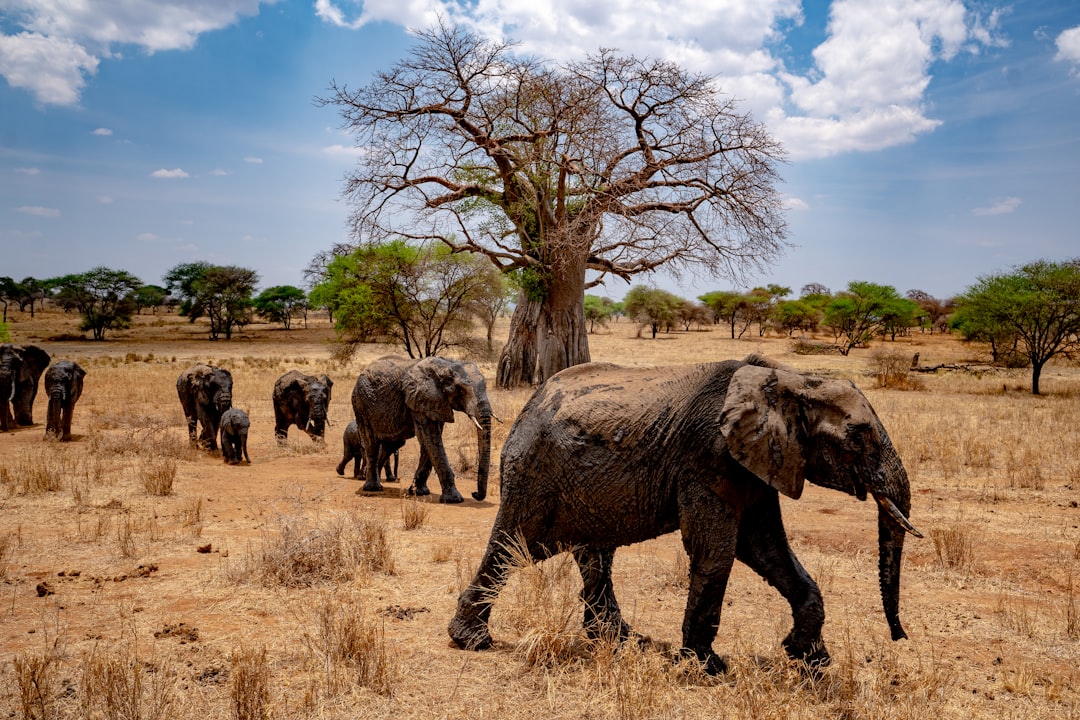
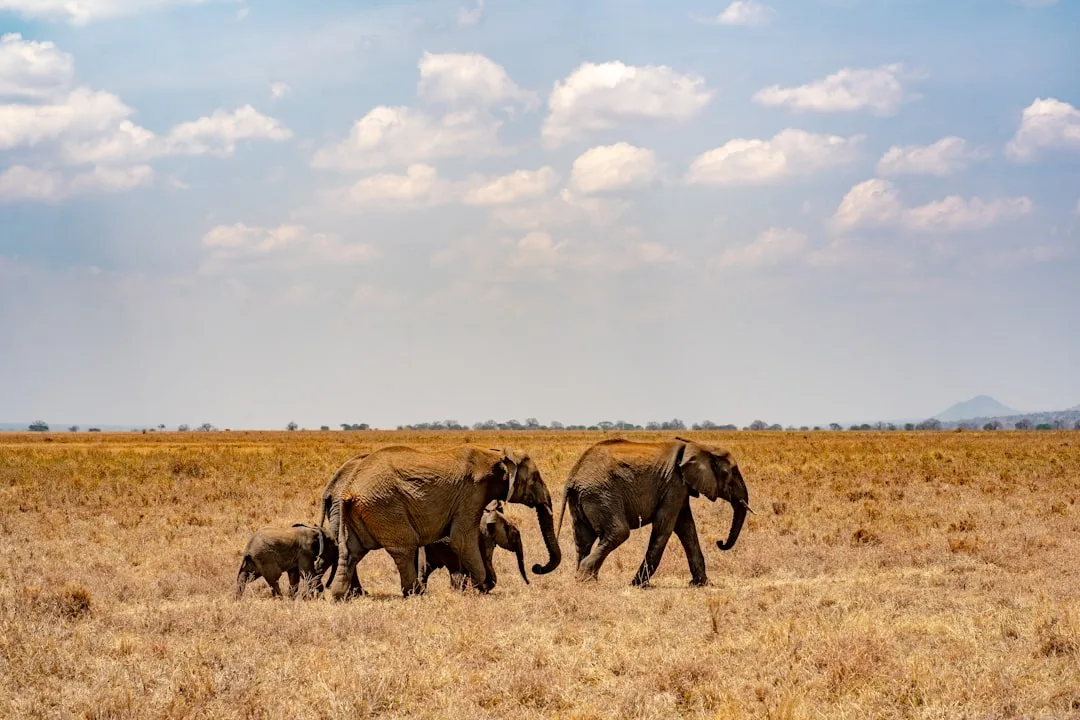
Tarangire National Park: The dry season parks like Tarangire are less dramatic in January than in the July–October dry season, but elephant concentrations remain high. The ancient baobab trees (some over 1,000 years old) against green January grass are photogenic.
Festivals & Events
Zanzibar Cultural Festival (variable, sometimes January): The Sauti za Busara festival — East Africa’s premier music festival — runs in February, but smaller cultural events precede it. Stonetown’s dhow harbor and the old Arab-African quarter (a UNESCO World Heritage Site) are atmospheric year-round.
Zanzibari New Year celebrations (early January): The Swahili New Year’s period of activity carries through the first week of January, with music and community celebrations in Stonetown.
Practical Tips
Calving season camps around Ndutu book out months ahead. Asilia Africa’s Dunia Camp and Sanctuary Retreats’ Ndutu camps are among the best positioned. Book with a reputable operator 3–6 months ahead.
Ngorongoro Crater permits: the Tanzania National Parks Authority (TANAPA) limits vehicle numbers in the crater. Entry permits for the crater descent must be pre-booked; your safari operator handles this.
Zanzibar January: book 4–6 weeks ahead for Paje and Nungwi during school holiday periods (European Christmas holidays overlap into January). By mid-January, availability improves.
The wildebeest calving area around Ndutu is in the Ngorongoro Conservation Area — different regulations from the Serengeti National Park. Your operator will navigate the permit system.
Who January Is For
Wildlife photographers who want calving season action. First-time Tanzania safari visitors for whom the combination of Serengeti, Ngorongoro, and Zanzibar beach is the full itinerary. Kilimanjaro climbers targeting peak summit conditions. And beach travelers who want Indian Ocean winter sun on East Africa’s finest sand.
Plan your trip