Thailand in September: The Quietest Month, Lowest Prices, and Vegetarian Festival Approaching
Plan your trip
September is Thailand’s quietest month — and its cheapest. Both major coastlines are in their respective monsoon/rainy seasons. The Gulf coast sees increasing rain and rough seas. The Andaman coast remains in full monsoon. International tourist numbers reach their annual minimum. For travelers on a tight budget who can accept weather variability and the absence of beach conditions, September offers Thailand at its most affordable and its most genuine.
Weather in September
Bangkok: 27°C to 33°C. Rainy season at its most intense — regular and sometimes very heavy afternoon and evening storms. Flooding possible in low-lying areas after major rain events.
Chiang Mai: 23°C to 32°C. Wet season continuing — heavy rain, lush green landscape. The mountains are beautiful; outdoor trails are muddy.
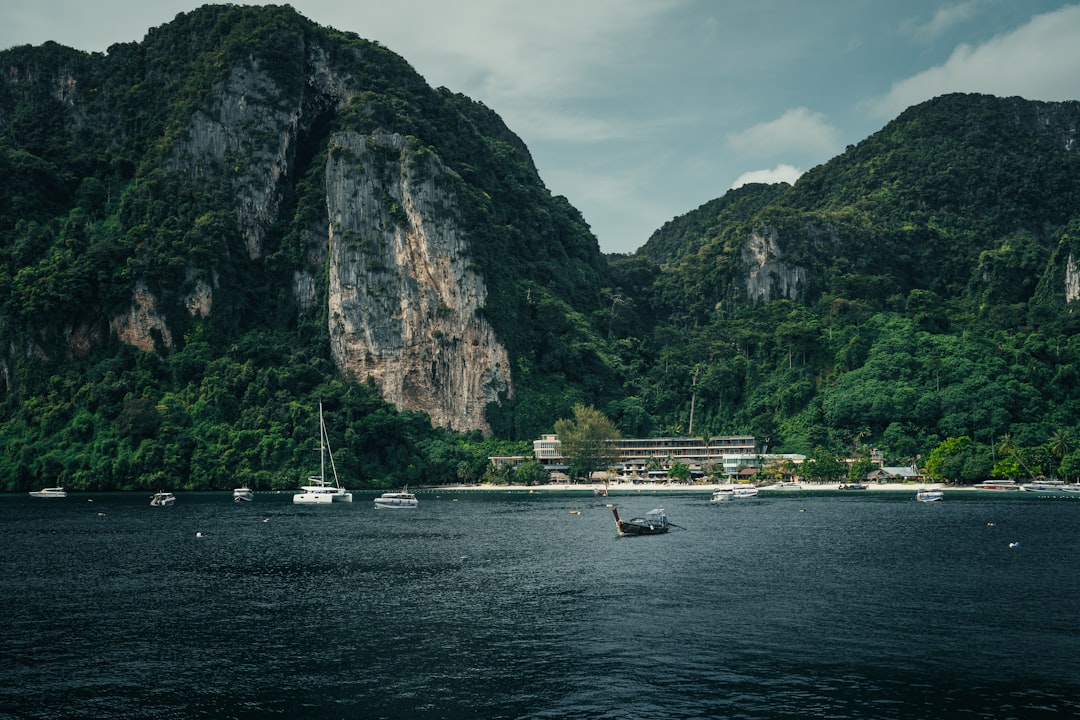
Phuket/Andaman Coast: 25°C to 32°C. Monsoon — rough seas, regular heavy rain. Not beach season; some dive shops reduce operations.
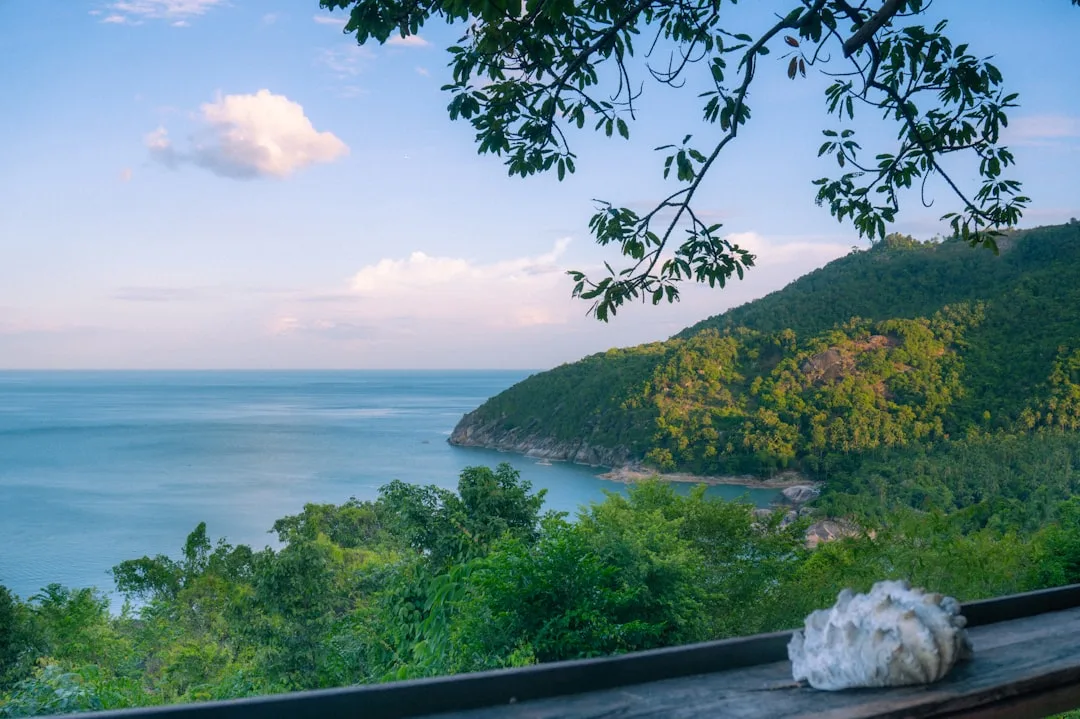
Ko Samui/Gulf Coast: 26°C to 33°C. Ko Samui starts receiving the northeast monsoon — October through January is Ko Samui’s rainy season, and September is the approach. More rain than August, sea getting rougher.
Ko Tao: Still relatively good diving conditions — the Gulf north of Ko Tao is calmer than Ko Samui. But September does see increased rain and occasionally rough crossings.
What Works in September
Bangkok cultural tourism: The capital’s cultural infrastructure — temples, museums, markets — operates regardless of season. September in Bangkok:
- Grand Palace and Wat Phra Kaew: Functional but check morning rain forecast
- The floating markets: Amphawa, Damnoen Saduak, and Khlong Lat Mayom — September mornings are often clear. Rain comes in the afternoon.
- Railway Market (Maeklong): The market built around a railway line that runs through the stalls — vendors fold their awnings as the train passes. An hour from Bangkok; September crowd is minimal.
- National Museum: Free on Sunday; the collection of Thai art from prehistoric to Rattanakosin periods is comprehensive and mostly ignored by tourists.
Isan (northeast Thailand) in September: The northeast region — Ubon Ratchathani, Khon Kaen, Udon Thani, Nakhon Ratchasima — is extremely local, deeply Buddhist, and almost entirely without foreign tourists. September is harvest preparation season — the rice paddy landscape is vivid green. The Mekong River border with Laos (Nong Khai) at maximum annual water level is impressive.
Khao Yai National Park: One of Thailand’s best wildlife parks — elephants, gibbons, hornbills, deer. September rain means fewer visitors and more active wildlife (animals move more in overcast conditions). Day trips from Bangkok (3 hours); guided night safari for nocturnal species.
The Vegetarian Festival Approach
The Phuket Vegetarian Festival (หกิน เจ) runs the first 9 days of the 9th lunar month of the Chinese calendar — typically falling in October but sometimes late September. The festival’s opening days begin before the official start with preparations in the Taoist shrines (saan jao) across Phuket Town.
Phuket Town (not Patong or beach Phuket) is the setting — the town’s Sino-Portuguese architecture and Chinese shrine culture is its own separate experience from the beach resort. The festival proper (October) involves extreme acts of physical devotion; the lead-up in late September involves community preparations and prayer at the shrines.
Ko Tao in September
Ko Tao remains the most defensible September beach destination — the north-Gulf location keeps it more sheltered than Ko Samui from the incoming northeast monsoon:
- Diving continues — some dive operators run full schedules through September
- The island is at minimum capacity — potentially the quietest it gets all year
- Bungalow prices are minimum: $10–$25/night for basic beach bungalows
- The atmosphere is deeply local — the ratio of working dive instructor to tourist reaches its annual high
Budget in September
| Category | Budget | Mid-range |
|---|---|---|
| Accommodation | $10–$28/night | $40–$100/night |
| Accommodation (Ko Tao) | $10–$25/night | $40–$90/night |
| Meals (street food) | $1–$3/meal | $7–$18/meal |
| Khao Yai guided tour | $50–$80/person | same |
Annual minimum pricing across the entire country. The gap between September pricing and January pricing for the same room on Ko Tao or Ko Samui can be 60–70%.
Practical Notes
- Flooding: Bangkok flooding after heavy rain is a reality in September. Low-lying areas (notably around the Bang Khen and Lat Krabang districts) can flood. Staying in Sukhumvit, Silom, or the old city areas reduces risk.
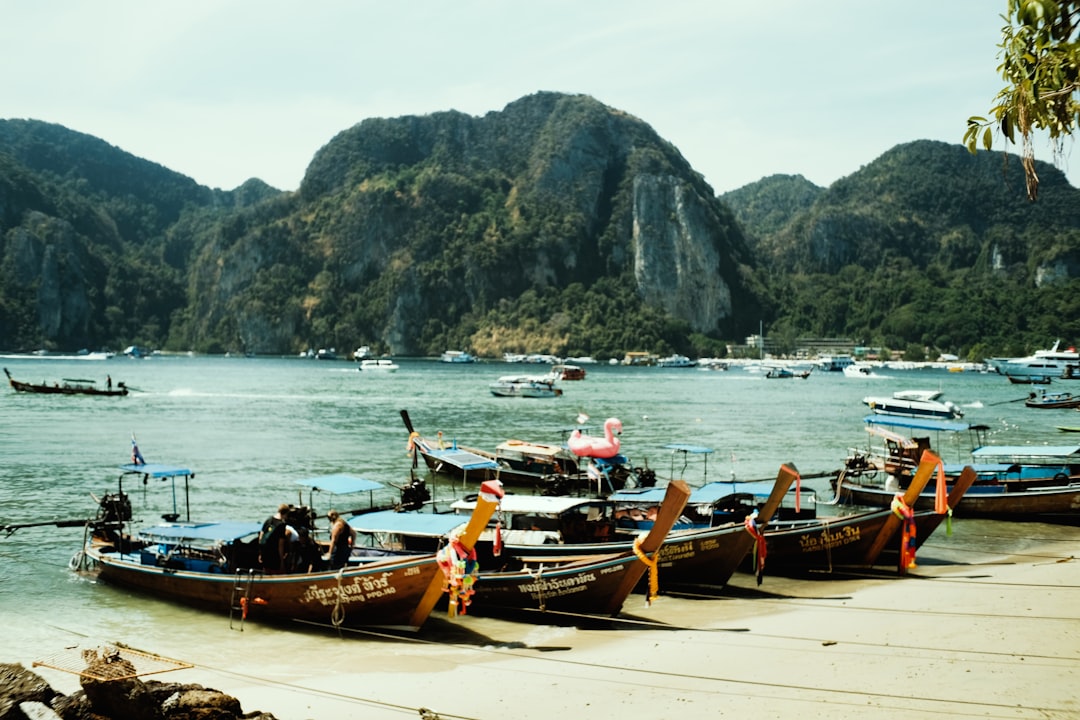
- Gulf crossing ferries: Rough sea days can cancel or delay ferries to Ko Samui and Ko Phangan. September crossings are more variable than April-August.
- AQI in the north: September rain has cleared the smoke haze of March-April — the north’s air quality is excellent in September.
The Short Version
September is Thailand for the budget-committed and the crowd-averse. Almost nothing about it is optimal for beach holidays — except Ko Tao, which maintains good diving through September. Bangkok’s cultural circuit works fine. Isan is a genuinely rewarding northeast adventure with zero tourist competition. The trade-off is real: rain, rough seas, and the country operating without its tourist economy engaged. For travelers who see this as a feature rather than a bug, September delivers the most affordable and most local Thailand of the year.
Plan your trip