Thailand in March: Heat Building, Beaches Still Excellent, and Pre-Season Value
Plan your trip
March is Thailand’s transition month — the peak season is winding down (European spring breaks aside), the heat is building, and the beaches are still in excellent condition. The Andaman coast has its clearest water of the year through March. Bangkok gets genuinely hot. Chiang Mai starts to warm significantly. For travelers who want good beach conditions with lower crowds and emerging value pricing, March is an underrated option.
Weather in March
Bangkok: 27°C to 36°C. Hot, sunny, dry. Heat is significant — midday outdoors requires acclimatization. The city is functional but exhausting without air conditioning breaks.
Chiang Mai: 20°C to 38°C. The cool season is over — Chiang Mai in late March is hot and hazy. The haze comes from agricultural burning in the north (a serious air quality issue in March-April). Check the AQI before planning northern trips.
Phuket/Andaman Coast: 26°C to 34°C. Still excellent — the Andaman’s dry season runs through April. The water is at its clearest of the year in March.
Ko Samui/Gulf Coast: 26°C to 34°C. Good conditions on the Gulf side, though the north shore of Ko Samui can see occasional brief showers. Still overwhelmingly dry.
Ko Tao: 26°C to 33°C. Excellent diving — whale sharks sightings remain possible.
Andaman Coast in March
The Andaman Sea in March is at its most transparent — the combination of calm conditions, low rainfall, and 8+ months of dry season means water visibility can reach 30 meters at certain dive sites.
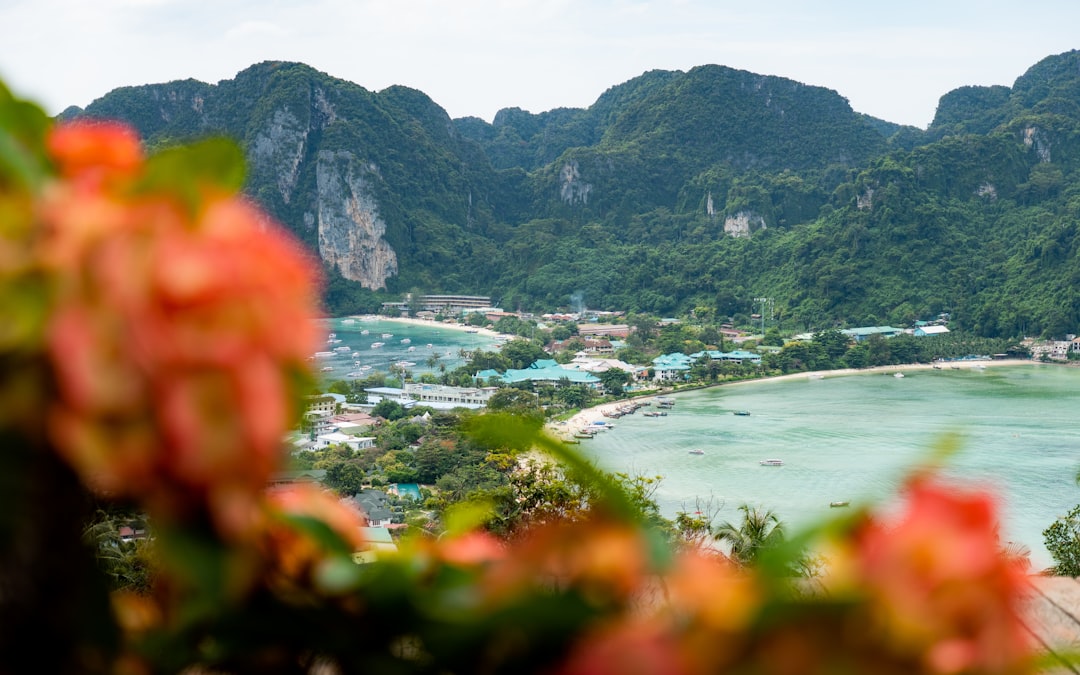
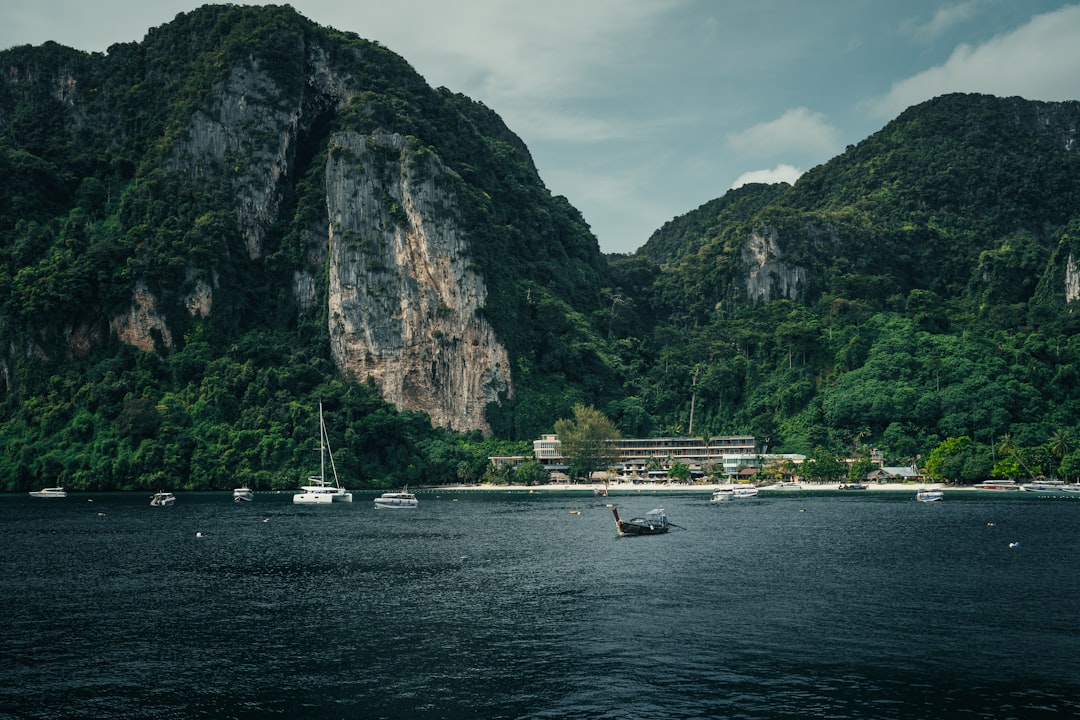
Koh Phi Phi: March is one of the best months to visit — peak crowds have thinned (European school holidays aside), the water is extraordinary, and the Long Beach area on Phi Phi Don is quieter than January. Maya Bay (Leonardo DiCaprio’s The Beach) is accessible by boat; check current closure status as it periodically closes for reef regeneration.
Ko Lanta: Quiet in March relative to January-February. The west coast beaches (Klong Dao, Long Beach) are excellent. The old town (Ban Ko Lanta) on the east coast is worth a morning — wooden stilt houses of the Chao Ley (sea gypsies), no tourists.
Krabi: Railay Beach and Tonsai Beach are accessible only by boat (no road connection) — the limestone cliff setting in March is extraordinary. Rock climbing on the karst walls around Railay is one of the best beginner climbing experiences in Southeast Asia.
Khao Lak (Similan Islands access): The Similan Islands are open until May 15; March is an excellent month for liveaboard trips with manageable dive crowds.
Bangkok in March
Bangkok in March is hot — the heat builds toward its April peak. The practical rhythm:
- Start cultural visits at 8–9 AM before the worst heat
- Retreat to air-conditioned spaces (malls, museums, restaurants) from 11 AM–3 PM
- The temple circuit (Grand Palace, Wat Pho, Wat Arun) in March morning is still excellent
Wat Pho: The temple of the reclining Buddha — the gold Buddha is 46 meters long. Adjacent to the Grand Palace, slightly less crowded than the Grand Palace itself. Also the home of traditional Thai massage training (the Wat Pho massage school offers legitimate traditional massage).
Jim Thompson House: The beautiful Thai silk tycoon’s house-museum in the Silom/Patpong area — one of the most interesting interiors in Bangkok, surrounded by a garden. Manageable in March with early morning timing.
Songkran Approach — Not Yet
Songkran (Thai New Year, water festival) runs April 13–15. March travelers in Thailand sometimes overlap with the pre-Songkran period — no water fights yet, but increased domestic travel bookings begin for the April holiday.
Smoke Haze in the North
The burning season (agricultural fires) in northern Thailand runs approximately February–April. Chiang Mai is sometimes severely affected — AQI levels can reach 200+ (Very Unhealthy) during the worst episodes in March-April.
If visiting Chiang Mai in March:
- Check the AQI daily (AirVisual app or iqair.com)
- N95 masks on bad days
- Outdoor trekking and hikes not recommended on high-smoke days
- The smoke usually improves from May with the rains
March is not the optimal time for northern Thailand due to smoke and heat.
Budget in March
| Category | Budget | Mid-range |
|---|---|---|
| Accommodation (beach) | $18–$55/night | $70–$180/night |
| Accommodation (Bangkok) | $15–$40/night | $60–$140/night |
| Meals (street food) | $1–$4/meal | $10–$25/meal |
Post-peak pricing begins in March — by mid-month, resort prices drop 15–25% from January levels. European spring break (late March/early April) creates a local spike in the Andaman resorts. The window between peak season and spring break (March 1–15) is the best value.
Whale Sharks in March
March–April is the most consistent period for whale shark sightings in Thai waters:
- Ko Tao: The dive site Chumphon Pinnacle is the most-cited location for whale shark encounters near Ko Tao
- Sail Rock: Between Ko Phangan and Ko Tao — a submerged pinnacle with consistent marine life
- Hin Daeng/Hin Muang: Deep south Andaman dive sites accessible from Ko Lanta — the most reliable whale shark location in Thailand, though remote
The Short Version
March is the transition window — Andaman coast at its most beautiful, Bangkok manageable with heat discipline, Gulf coast excellent, and prices beginning the post-peak decline. The main considerations: skip Chiang Mai due to smoke and heat, and position Andaman over Gulf coast for the clearest water of the year. Early March (first two weeks) is the sweet spot — spring break hasn’t arrived, prices have already dropped slightly, and the weather is still dry across the country.
Plan your trip