Thailand in October: Vegetarian Festival, Ok Phansa, and the Andaman Coast Waking Up
Plan your trip
October is Thailand’s transition month — the Andaman coast begins its long dry-out from monsoon, the Gulf coast’s northeast monsoon arrives and starts affecting Ko Samui, and the two great October events (the Vegetarian Festival and Ok Phansa) make this one of the most culturally rich months in the Thai calendar. Prices begin rising from September’s annual minimum. October rewards travelers who plan around the events and understand the shifting coast dynamics.
The Thailand Coast Split in October
October marks the inversion point:
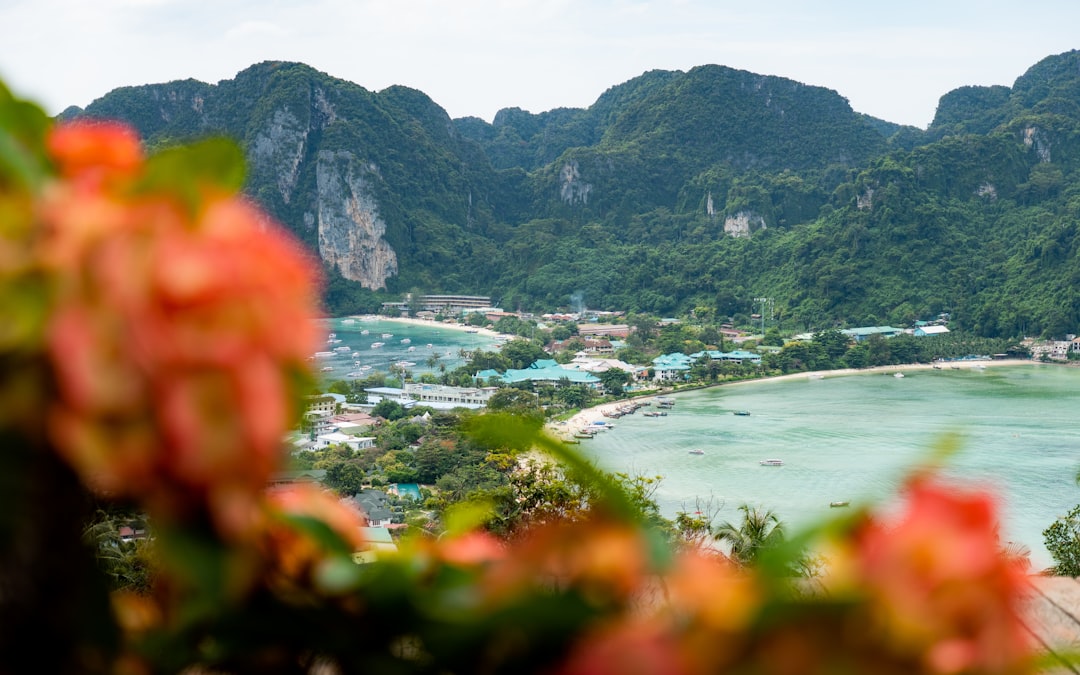
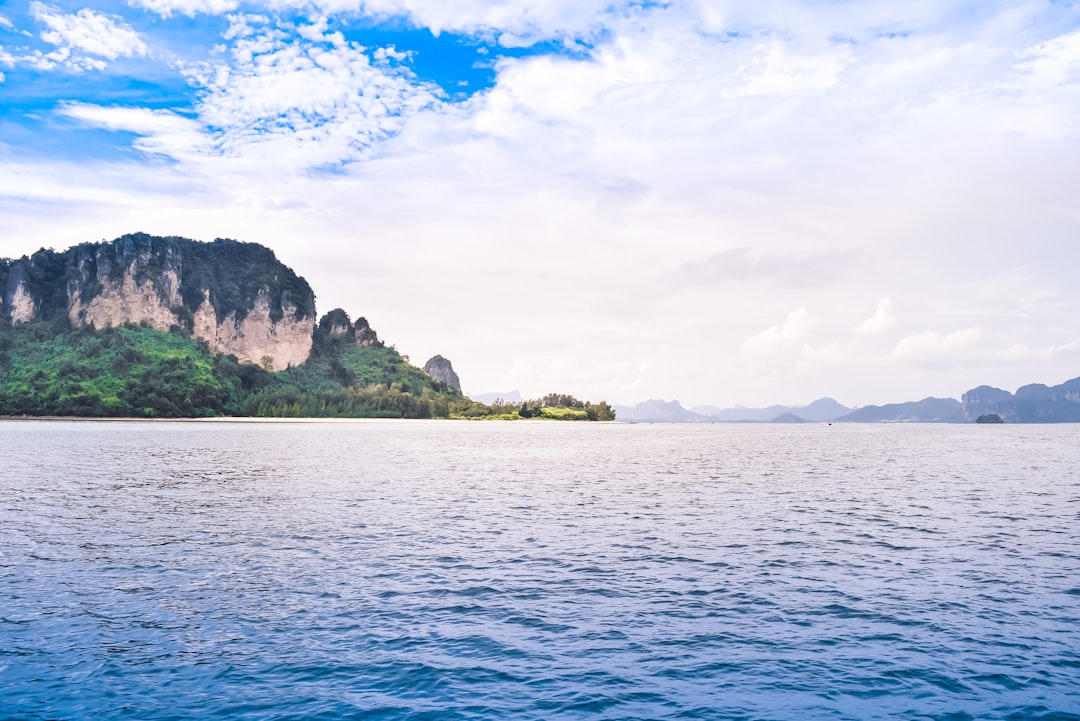
Andaman Coast (Phuket/Krabi): The monsoon is ending — the last heavy rains are in October, tapering toward the dry season that arrives fully in November. Late October sees improving conditions; some dive operators start returning to offshore sites.
Gulf Coast (Ko Samui/Ko Phangan): The northeast monsoon arrives — October brings increasing rain and rough seas to Ko Samui and Ko Phangan. This is when the Gulf coast’s rainy season begins, which runs through January.
Ko Tao: Located north of Ko Samui and Phangan, Ko Tao is somewhat shielded from the northeast monsoon. October is variable — some good diving days, some rough days.
Vegetarian Festival (งานกินเจ) — Phuket
The Phuket Vegetarian Festival is one of the most extraordinary events in Southeast Asia. Running 9 days during the 9th lunar month (typically first two weeks of October), it originated with Chinese tin miners in the 19th century and is rooted in Taoist practice centered on Phuket’s Chinese community.
What happens:
- Participants observe a strict vegetarian diet (kin jeh) for 9 days — the Chinese community, many local Thais, and restaurants across Phuket Town
- Street processions: Each morning, devotees from the various Taoist shrines (saan jao) parade through Phuket Town’s streets. The processions involve firewalking, the Ceremony of Walking on Hot Coals, and the devotional practice of piercing — devotees pierce their cheeks, tongues, and bodies with large objects (swords, skewers, poles) while in a trance state
The piercing ceremonies: Difficult to describe and difficult to look away from — participants enter a trance state (mah song) and pierce themselves with objects that would be deeply injurious in normal circumstances. This is not performance; it is sincere religious practice, treated with complete seriousness by the community.
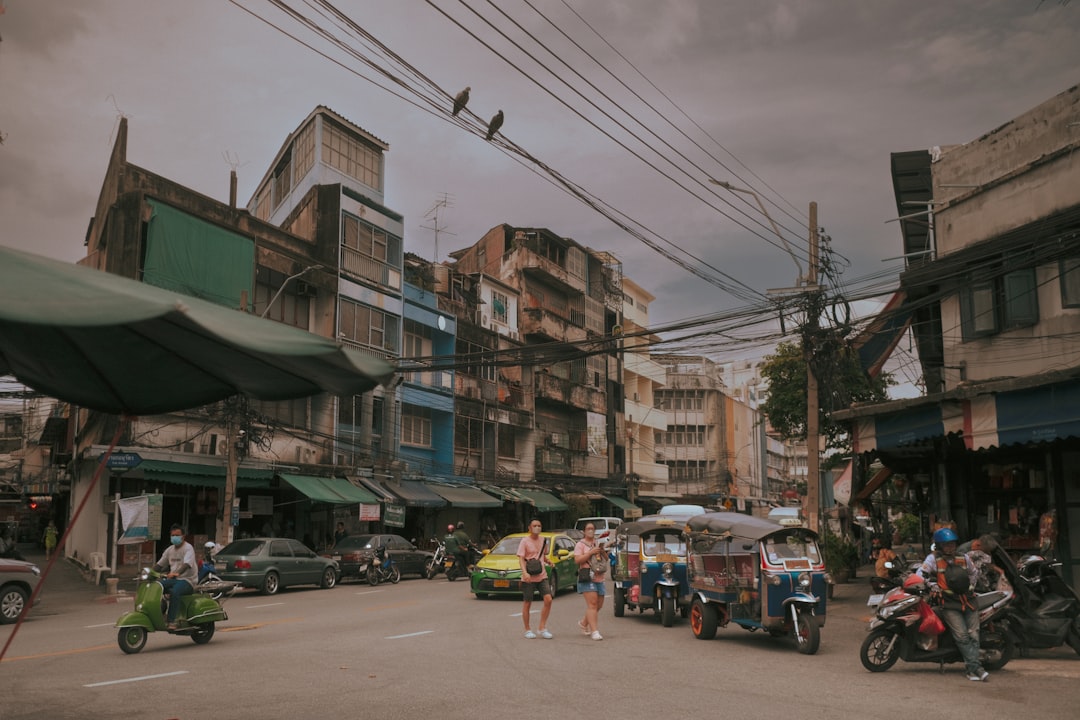
Practical: The street processions happen in the early morning around Phuket Town’s shrines — Jui Tui Shrine (the most central), Bang Niao Shrine, and Cheang Talay Shrine in the north. Early arrival (5:30–6 AM) for the procession departure is worth it. Spectators should dress modestly, keep a respectful distance, and not photograph faces without permission.
The vegetarian food: The festival coincides with a huge availability of kin jeh street food throughout Phuket Town — yellow-flagged stalls selling meatless dishes. This is an excellent food experience independent of the ritual.
Ok Phansa — End of Buddhist Lent
Ok Phansa falls on the full moon of the 11th lunar month (late October or early November) — the end of the three-month Buddhist Lent retreat (Khao Phansa). The celebration involves:
- Tak Bat Thewo ceremony — locals offer food and alms to monks filing from their temples
- Loi Ruea Fai (Boat Float Festival): Illuminated boats are floated on rivers and canals throughout Thailand
- Thod Kathin: The post-Ok Phansa period (one month) is the Kathin season — the ceremony where new robes are offered to monks by laypeople and temple sponsors. The most elaborate Kathin ceremonies in Bangkok involve royal barges on the Chao Phraya.
Royal Kathin in Bangkok: In the Ok Phansa season, the Royal Barge Procession on the Chao Phraya — 52 barges including the ornate Suphannahong royal barge — transports the King’s Kathin offering to riverside temples. This only happens a few times a decade for the full royal ceremony; the annual royal Kathin is a smaller version but still extraordinary.
Chiang Mai in October
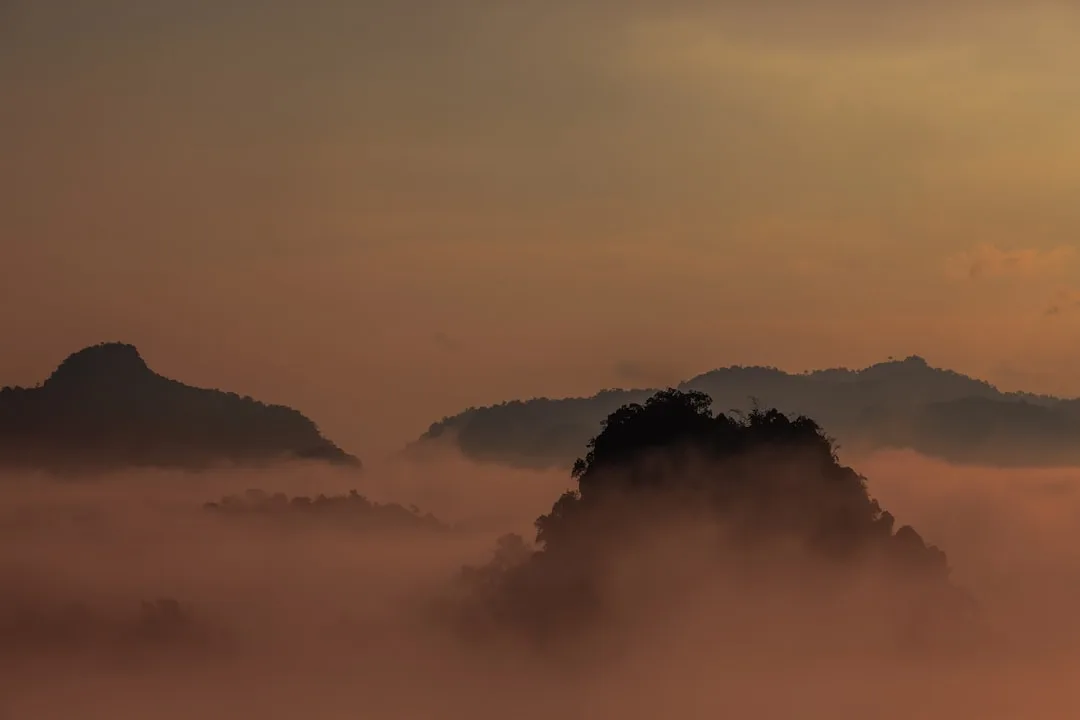
The north’s rainy season is nearly over in October — the landscape is at maximum lushness, and the first clear days begin appearing by late October:
- Doi Suthep: The temple is accessible again without the smoke haze of March-April or the heavy rain of July-August
- Hill tribe villages: The rice harvest begins in October — the terraced rice paddies near Mae Chaem and the highlands north of Chiang Rai are at peak photographic quality
- Chiang Rai: The White Temple (Wat Rong Khun) and the Blue Temple (Wat Rong Suea Ten) are best visited in October after the heavy rains have cleaned everything
Budget in October
| Category | Budget | Mid-range |
|---|---|---|
| Accommodation | $12–$35/night | $50–$120/night |
| Accommodation (Phuket, transition) | $25–$60/night | $80–$180/night |
| Meals | $1–$4/meal | $8–$22/meal |
Low-to-rising pricing. September minimums begin recovering in October as the Andaman season approaches and the Vegetarian Festival brings domestic visitors to Phuket.
The Short Version
October is about two things: the Vegetarian Festival in Phuket (one of the most extraordinary cultural events in Southeast Asia, requiring no beach weather) and the Ok Phansa Buddhist calendar events. The coast is transitioning — Andaman improving, Gulf worsening — which makes October a Bangkok and Phuket Town month rather than a beach month. Ko Tao stays defensible for diving. The north is clearing and beautiful. Book around the festival if that’s the draw; otherwise, October is the pre-season transition that leads into November’s full restart.
Plan your trip