India in September: Monsoon Ends, Ganesh Festival, and the Himalaya's Last Window
Plan your trip
September is India’s transitional month — the monsoon starts withdrawing from the north in the first weeks, the hill stations clear from cloud, and Ladakh’s trekking season enters its final month before October snow. In Maharashtra and parts of South India, Ganesh Chaturthi fills the streets with gigantic Ganesh idols, communal worship, and the extraordinary immersion procession (Visarjan) on the festival’s last day. India is waking up from its monsoon season, and the energy is palpable.
Weather & Conditions
Delhi: 26–34°C, rain tapering by mid-September. Cleaner air than monsoon peak. Late September is genuinely pleasant.
Rajasthan: 28–36°C in early September, dropping to 22–30°C by month’s end. The desert is green from monsoon rain — an unusual and beautiful sight.
Kerala: Still rain in early September, tapering to a drier late month. Onam celebrations fill the state in September.
Mumbai: 26–30°C, heavy early rain tapering through the month. Ganesh Chaturthi (10 days in August–September) is the month’s defining event.
Leh, Ladakh: 10–22°C. Still excellent but the nights are colder. October snow is approaching.
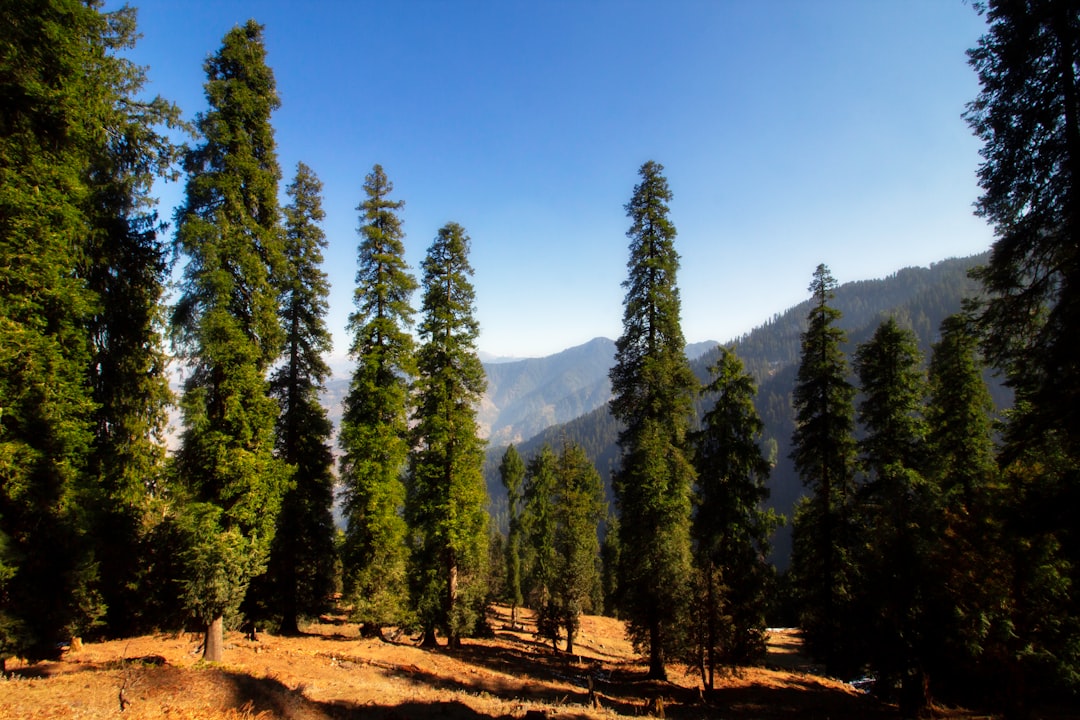
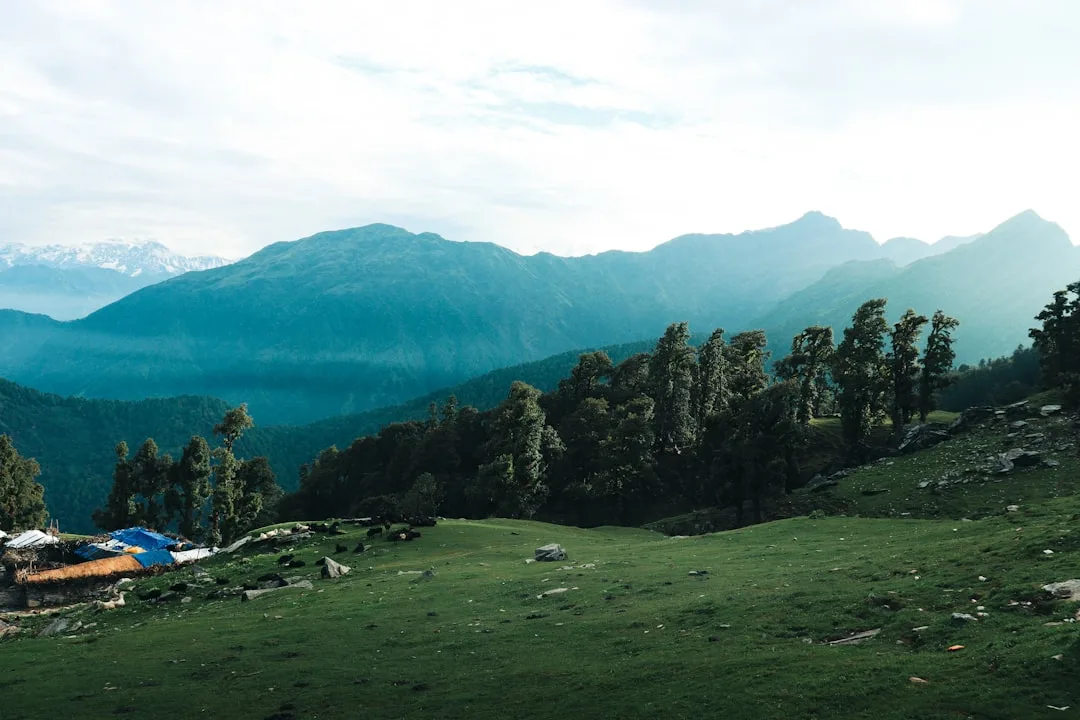
Himalaya (Himachal, Uttarakhand): 12–20°C. Post-monsoon clarity. This is arguably the best trekking weather of the year — crisp air, clear views, paths dried out.
What to Do
Ganesh Chaturthi, Mumbai: India’s most spectacular urban festival runs for 10 days (usually late August to early September). The Lalbaugcha Raja — the most celebrated Ganesh idol in Mumbai, visited by 7+ million people over the festival — draws queues that require 18–24 hours to reach in peak days. Smaller neighborhood Ganesh mandals across the city are more accessible and just as visually extraordinary. The Visarjan (immersion) procession on the 11th day fills the streets for 12 hours as idols are carried to the sea and immersed at Girgaon Chowpatty and Juhu Beach.
Post-monsoon Rajasthan: Late September is an excellent window for Rajasthan — the landscapes are greener than at any other time, the heat is subsiding, and the peak October–January tourist season hasn’t arrived. Jaipur, Udaipur, Jodhpur, and Jaisalmer at the end of September are genuinely special.
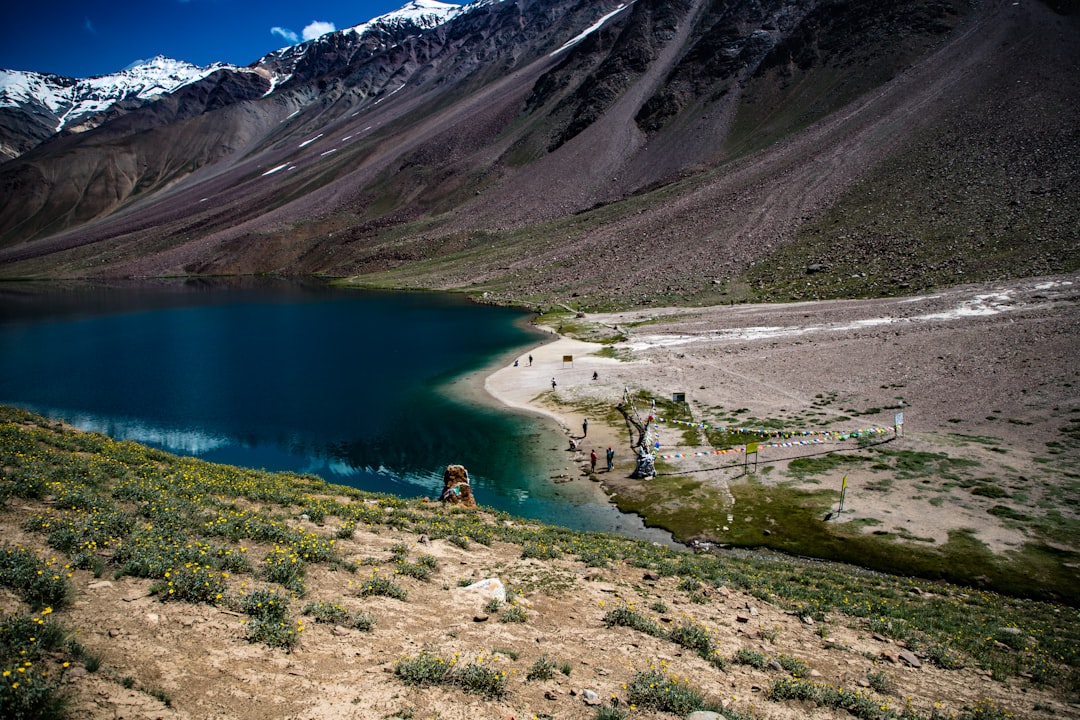
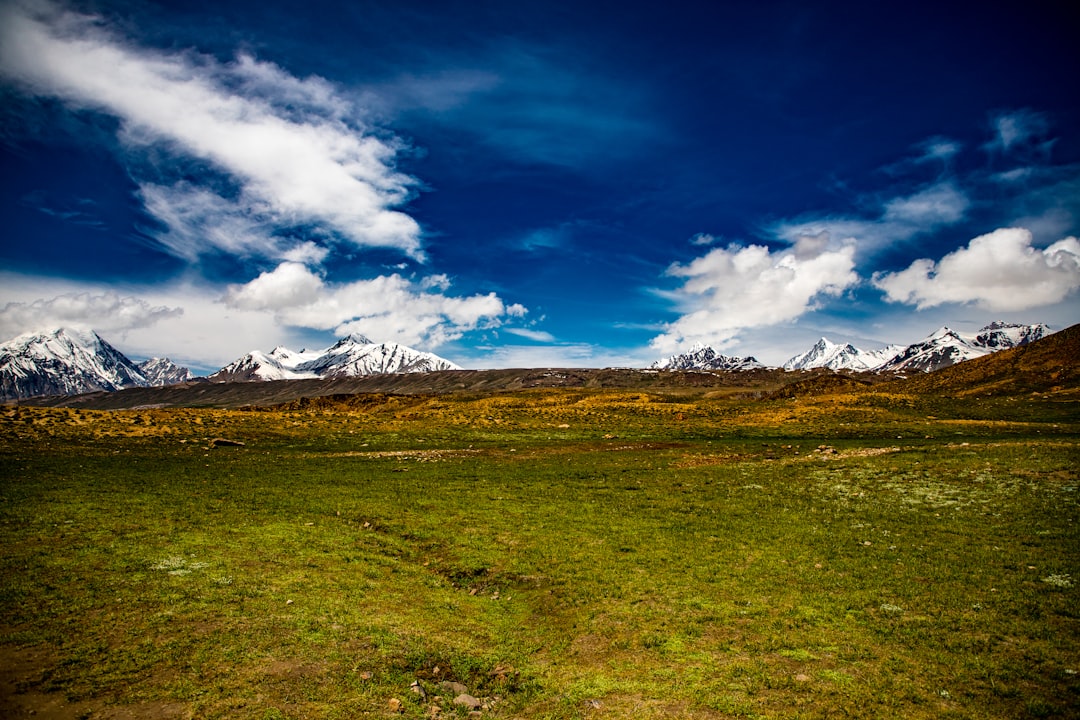
Spiti Valley autumn: The Spiti Valley in September — after the monsoon clouds clear — delivers extraordinary clarity. The stark, Buddhist desert landscape under brilliant blue sky against white Himalayan peaks is what the region’s photographs show. Harvest season begins in the high villages.
Ziro Festival of Music, Arunachal Pradesh (late September): Held in the Ziro Valley of the Apatani tribe in Arunachal Pradesh — India’s northeastern state bordering China — this boutique music festival combines independent Indian musicians with one of the country’s most culturally intact tribal communities. The Apatani villages, the terraced paddy fields, and the festival setting make it unique in India.
Rann of Kutch opening (Gujarat): The white salt desert in the Rann of Kutch begins its season as monsoon retreats. The tent city (Tent City Rann) and the White Rann festival activities start in October, but September is when you can visit without the organized crowds and infrastructure — just the raw salt desert.
Festivals & Events
Ganesh Chaturthi (10 days, late August–early September): The dominant September event in Maharashtra, Goa, and Karnataka. Mumbai’s scale is the most celebrated.
Onam (variable, August–September, Kerala): Kerala’s harvest festival often falls in September. The Thiruvonam feast day — featuring the full Onam Sadya banana leaf feast — is the culmination.
Navratri (begins late September or October, variable): The nine-night festival dedicated to the goddess Durga — with garba and dandiya dances in Gujarat, elaborate Durga Puja pandal (temporary structures) in West Bengal, and celebrations across the country — begins in late September in some years.
Practical Tips
Ganesh Visarjan day (11th day) in Mumbai: the immersion procession runs 8am–late evening. The city is at a standstill for traffic. Public transport (Metro, local train) is the only way to navigate. Plan to watch from one location rather than following the procession.
Post-monsoon Rajasthan September: prices are still lower than October–January levels. Good value and improving conditions in the last two weeks of September.
Himalayan trekking in September: some of the best conditions of the year. The Roopkund, Rupin Pass, and Hampta Pass routes are all excellent in September. Book 4–6 weeks ahead as demand is high.
Who September Is For
Ganesh Chaturthi visitors who want Mumbai’s most spectacular cultural event. Post-monsoon Rajasthan travelers catching the price window before October’s peak. Himalayan trekkers targeting the clearest post-monsoon conditions. And the genuinely adventurous — the Ziro Music Festival is one of India’s most distinctive events, requiring real commitment to get there.
Plan your trip