Japan on a Budget: What Things Actually Cost and How to Spend Less
Plan your trip
Japan is not an expensive country to travel in — it is a country with a wide range of price points where travelers who don’t know what they’re looking at accidentally end up at the expensive end consistently. A week in Japan can cost ¥60,000 (around $400 USD) or ¥600,000 ($4,000 USD) depending entirely on the choices made. Both are legitimate Japan experiences.
The math is easier once you understand the categories: what has excellent cheap options, what is inherently expensive regardless, and where the value traps are.
What Things Actually Cost
Accommodation
Capsule hotels: ¥3,000–5,000/night. Originally functional dormitory pods for businessmen who missed the last train; now architecturally redesigned in many cities. Sleep well, shower well, very small space. Good option for solo travelers in central city locations.
Budget guesthouses and hostels: ¥2,500–4,000/night in a dorm; ¥5,000–8,000 for a private room. Quality varies significantly. The best hostel chains (Khaosan, Nui, Bunka Hostel) have private rooms with good design in central locations.
Business hotels (Toyoko Inn, APA Hotel, Dormy Inn): ¥6,000–12,000/night for a private room. Small rooms, efficient design, reliable quality, free breakfast at some chains. This is the volume middle of Japanese accommodation. A Dormy Inn in any major city will have a reasonably good natural hot spring bath on the top floor, included with the room.
Mid-range hotels: ¥12,000–25,000. Standard rooms, good locations.
Ryokan (budget): ¥8,000–15,000/person including dinner and breakfast. Small-town family ryokan often have the best value-to-experience ratio in this tier.
High-end hotels and ryokan: ¥30,000–100,000+.
Food
Japan has more price tiers for food than almost anywhere. The same category of food (ramen, sushi, tonkatsu) can cost 10x at the top end what it costs at the bottom, and the bottom is often very good.
Convenience store meal: ¥400–700. Onigiri ¥120–160, sandwiches ¥220–280, hot foods ¥100–200, prepared meals ¥450–600. The daily convenience store lunch is a realistic and satisfying option.
Standing bars and fast counters: ¥400–1,200 for noodles, sushi, or donburi. The tachi-gui (standing) format means high turnover and low overhead — the food is at full quality, the price is minimal.
Ramen shop: ¥800–1,200. The standard bowl at any serious ramen shop.
Teishoku set lunch: ¥900–1,500. Most restaurants offer a fixed-price lunch set (teishoku) with a main dish, rice, miso soup, and pickles. This is the best value format in Japanese dining — the same restaurant that charges ¥3,000 for dinner charges ¥1,200 for lunch.
Supermarket sushi: ¥600–1,200 for a full tray. Evening mark-downs (taimuservice) start 30–60 minutes before closing — sushi trays get stickers reducing the price by 20–50%.
Izakaya: ¥2,000–4,000 for a full evening including several small dishes and drinks.
Kaiten-zushi (conveyor belt sushi): ¥110–180 per two pieces at chains like Sushiro and Kura Sushi.
Transport
Within cities (subway/metro): ¥140–320 per ride depending on distance. IC card (Suica or Pasmo, ¥500 deposit) covers all transport and convenience store purchases.
Bullet train (Shinkansen): ¥2,500–22,000 depending on distance. Tokyo–Kyoto is ¥13,920 unreserved. The JR Pass covers Shinkansen on most routes — see below.
Local trains and buses: ¥140–500 typically. IC card handles all of these.
Taxis: Expensive. ¥730 base fare, then metered. Use for late-night returns when trains have stopped, not for daytime navigation.
Entrance Fees
Temples and shrines: ¥300–600 typically. Some are free (Meiji Jingu, most shrine grounds). The “expensive” ones are ¥1,000–1,600 (Ghibli Museum lottery tickets, some private gardens).
Museums: ¥500–2,000 for national museums. The National Museums in Tokyo, Kyoto, and Nara are ¥1,000 and cover large permanent collections. Municipal museums are often cheaper or free.
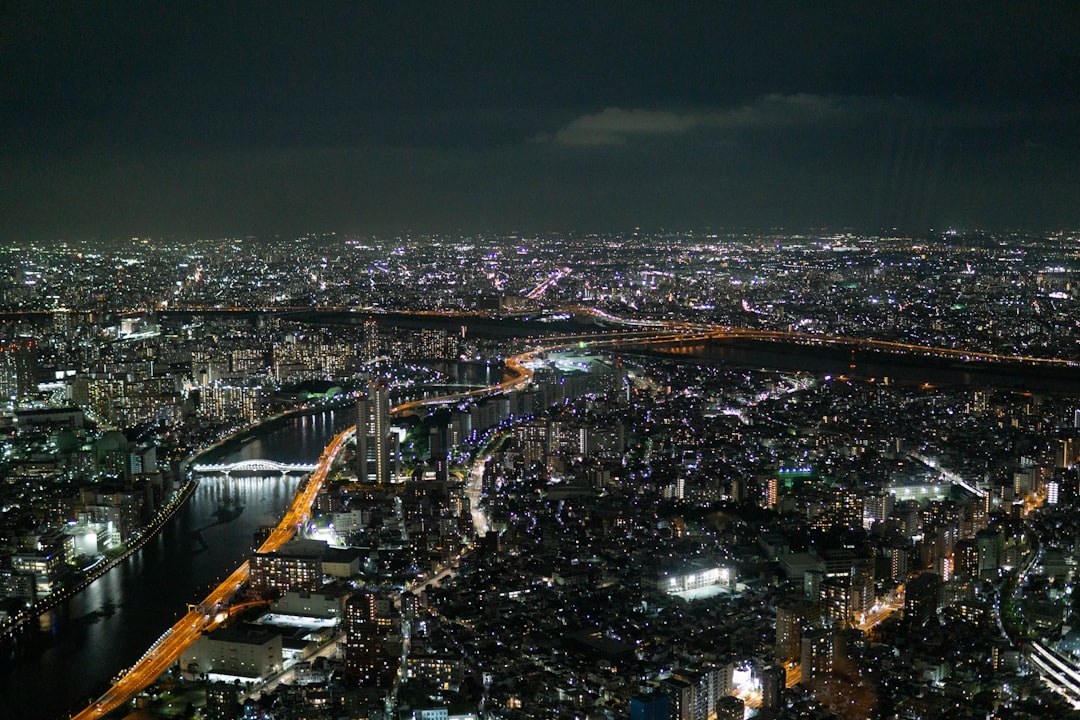
Observation decks: ¥500–3,000. Tokyo Metropolitan Government Building observatory is free (open evenings). Tokyo Skytree ¥2,100–3,100. The free alternatives are as good as the paid ones in many cases.
The JR Pass — When It Makes Sense
The JR Pass (7-day ¥50,000, 14-day ¥80,000, 21-day ¥100,000) covers unlimited travel on JR-operated trains including most Shinkansen routes. The math:
Worth it if: You are traveling between multiple cities — Tokyo + Kyoto + Osaka + Hiroshima + Fukuoka is a typical itinerary where the pass covers 3–4x its cost.
Not worth it if: You are staying in one city, or your itinerary is only Tokyo–Kyoto–Tokyo (one round trip = ¥27,840; the 7-day pass costs ¥50,000).
Buy in advance: The JR Pass must be purchased outside Japan (a rule introduced in 2023, though in-Japan purchase is now technically available at a significantly higher price).
Seishun 18 Kippu: A separate budget option — 5 days of unlimited local train travel (non-Shinkansen) for ¥12,050. Available during specific seasonal periods (summer, winter, spring). Slower but very cheap for cross-country travel if you have time.
Cheap Eating — The Reliable Options
Gyudon chains (Yoshinoya, Sukiya, Matsuya): Beef rice bowl from ¥380–500. Open 24 hours. Nutritionally adequate, cheap, everywhere.
Teishoku restaurants: Follow the lunch set menus — soba restaurants, tonkatsu restaurants, fish restaurants all do teishoku in the ¥900–1,200 range at lunch only.
Depachika mark-downs: Department store basement food halls (depachika) mark down prepared food in the evening before closing. Premium food at 30–50% off.
Market stalls: Nishiki Market in Kyoto, Kuromon in Osaka, Tsukiji outer market in Tokyo — eat while you walk, spend ¥500–1,500 for a satisfying grazing lunch.
Combini breakfast: Coffee (¥100–200) + onigiri (¥130–160) + banana or piece of fruit (¥50–100) = morning meal for ¥300–400.
Free and Cheap Sightseeing
Shrine grounds: Most shrine grounds are free — you pay for inner halls or treasure museums, but the gardens, torii, and general atmosphere are unpriced. Meiji Jingu, Fushimi Inari (24-hour access, free), Itsukushima Shrine approach (free; inner buildings ¥300).
Temple districts on foot: Walking the Higashiyama corridor in Kyoto (Kiyomizudera area south to Gion), the Yanaka neighborhood in Tokyo, the Naramachi district in Nara — the walk is free, the architecture is visible, and the experience doesn’t require entry fees.
Parks: Shinjuku Gyoen ¥500; most other parks free.
Metropolitan Government Building Observatory (Tokyo): Free. 45th floor views from 9:30am–10:30pm (closed alternating floors on alternating days for maintenance). Equally good as Tokyo Skytree for understanding the city’s layout.
Hiroshima Peace Park: The outdoor monuments and park are free. The Peace Memorial Museum is ¥200.
Accommodation Strategies
Book early for cherry blossom season and Golden Week: Cherry blossom (late March–early April) and Golden Week (late April–early May) are the two peak domestic travel periods. Accommodation prices rise 50–100% and availability collapses. Book 3–4 months ahead or choose dates that avoid peak weeks.
Business hotels have reliable quality: The Dormy Inn chain specifically has good hot spring baths in most properties, comfortable beds, and reasonable breakfast options. Comparable rooms to higher-priced hotels at ¥7,000–11,000.
Hostels in central locations: The best hostels (Nui in Asakusa, Khaosan World in Kyoto, Hana Hostel in various cities) have private rooms for ¥6,000–9,000 in locations that business hotels in the same area charge ¥15,000 for.
Manga cafes (overnight stays): ¥1,500–2,500 for a private cubicle with reclining chair, unlimited soft drinks, and internet access. A genuinely functional emergency option if accommodation is unavailable; not comfortable for more than one night.
Money — Practical Notes
Cash is essential: Japan still operates largely on cash. Convenience stores, small restaurants, temples, street food, taxis — many will only accept cash. Withdraw from 7-Eleven or Japan Post ATMs (both accept international cards). Withdraw ¥30,000–50,000 at a time to reduce transaction fees.
Credit cards: Accepted at larger hotels, department stores, major tourist sites, and chains. Not reliable for small restaurants, craft shops, or market stalls.
IC card as daily wallet: The Suica or Pasmo IC card (loaded at any station kiosk) works for trains, buses, taxis, convenience stores, and vending machines. Load ¥5,000–10,000 and top up as needed. The ¥500 deposit is refunded when you return the card.
Realistic Budget by Day
Backpacker (hostel dorm, combini meals, free sights): ¥5,000–7,000/day (~$33–47)
Mid-range (business hotel or hostel private room, mix of restaurant and combini, some entrance fees): ¥12,000–18,000/day (~$80–120)
Comfortable (mid-range hotel, restaurant lunches and dinners, full sightseeing): ¥25,000–40,000/day (~$165–265)
Luxury (ryokan or design hotel, kaiseki dinners, everything): ¥60,000+/day
The mid-range bracket is the most efficient. The upgrade from backpacker to mid-range is significant in comfort; the upgrade from mid-range to luxury is incremental in experience but exponential in cost.
Japan rewards planning more than improvisation on the budget side. Know what you’re going to eat (combini + occasional restaurant, not tourist-zone restaurants for every meal), where you’re sleeping (book ahead), and what you’re paying for entrance fees (most meaningful sightseeing is very cheap). The rest takes care of itself.
Plan your trip