Tokyo Skytree: Observation Decks, Solamachi, and the Best Views in Tokyo
Plan your trip
Tokyo Skytree opened in 2012, replacing Tokyo Tower as the city’s primary broadcast tower and surpassing it dramatically in height: at 634 meters (the number chosen because it reads as mu-sa-shi, the old name for the Kanto region in Japanese numerical wordplay), it is the world’s tallest tower and the second-tallest structure after the Burj Khalifa.
The tower’s design — a tapering lattice structure with a triangular base that transitions to a circular cross-section above 320 meters — takes traditional Japanese aesthetics seriously: the sorin (the topmost spire design) references the finials of Buddhist pagodas; the curved lower structure references entasis (the slight outward curvature used in traditional temple columns). The result is a tower that does not look like a European or American telecoms tower and is considerably more interesting architecturally.
The Observation Decks
Tembo Deck (350 meters)
The main observation floor — a glass-walled circular platform at 350 meters, with a glass floor section in one section where you can look straight down to the street below. The 360-degree view from this height encompasses:
- West: Shinjuku skyscrapers in the distance, Asakusa directly below, the Imperial Palace grounds
- East: Tokyo Bay and the bay area development
- North: Saitama Prefecture and the flat Kanto Plain extending to the horizon
- South: Shibuya, Roppongi, and the concentration of city towers in Minato ward
On clear days with good visibility (winter mornings, after rainfall), Mount Fuji is visible to the west — the most photographed view from Skytree.
Café 634: The café on the deck level serves food and drinks with window views. Reservation not required but the window seats have queues on peak days.
Tembo Galleria (450 meters)
The additional deck accessed by a separate spiral ramp rising through 5 meters of glass corridor. The Galleria is a glass tube spiraling upward — you walk up the spiral while Tokyo spreads below through the glass floor and walls. The experience of walking upward through a glass spiral at 450 meters is the most architecturally interesting viewing experience in the tower.
The deck at the top of the Galleria (445 meters) offers the most elevated views available to the public in Tokyo.
Tickets and Booking
Combined ticket (Tembo Deck + Tembo Galleria): ¥3,400 (adults), purchased at the box office or in advance online.
Tembo Deck only: ¥2,300.
Advance booking: Strongly recommended for weekends and national holidays. The Skytree website sells dated timed-entry tickets that allow skipping the wait; same-day tickets are available but queues can reach 60–90 minutes on peak days.
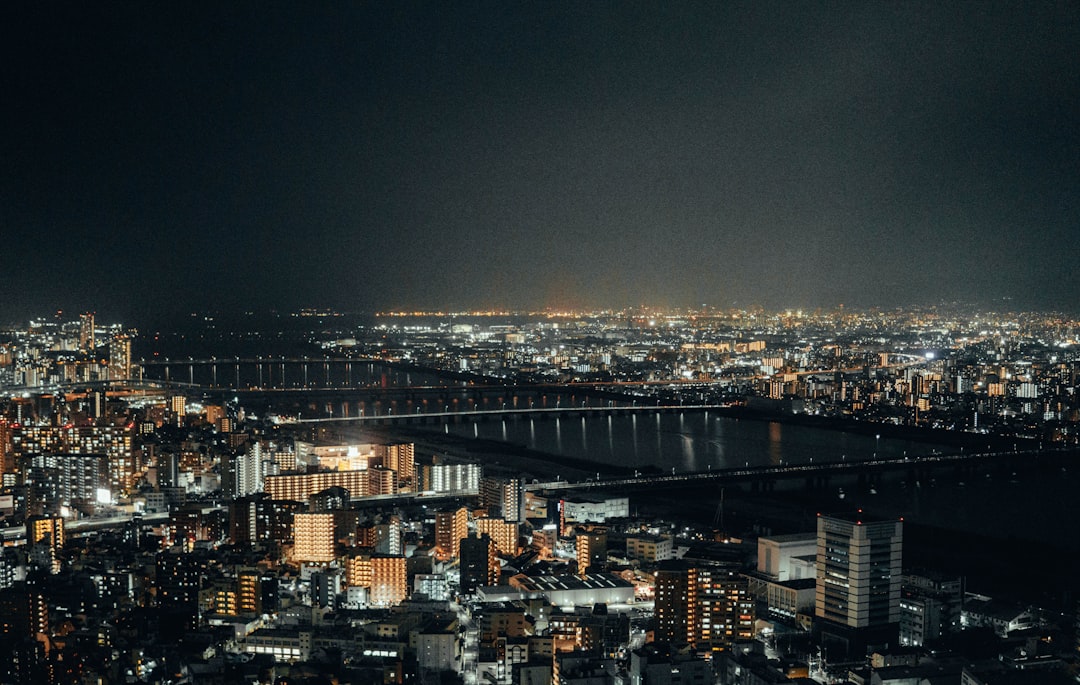
Best time for views: Early morning on clear winter days offers the best visibility and the lowest crowd density. The golden hour before sunset is the most photographically interesting time. Night views (the tower and the city illuminated) are popular but have less depth than daytime.
Solamachi
The commercial complex at the base of the tower — 312 shops and restaurants spread across multiple floors of the Skytree Town development. Unlike the typical Japanese tower mall, Solamachi has been curated with some care: local Tokyo brands, traditional craft shops, aquarium, planetarium, and food floors that include legitimate regional Japanese specialties rather than only generic casual dining.
The food floor (4th and 5th floors): A good cross-section of Japanese regional restaurant concepts. The Tokyo Solamachi Dining floor on the 30th and 31st floors of the East Tower has city-view restaurants — more expensive, but the view from these floors at night is the tower’s best dining environment.
Tokyo Skytree Aquarium (basement): A mid-sized aquarium focusing on freshwater species of the Musashino area rivers. More interesting for children than serious aquarium visitors, but worth 45 minutes.
Konica Minolta Planetarium: One of Tokyo’s better planetariums, in the Solamachi complex. Shows in Japanese; the visual quality of the dome is high.
Combining with Asakusa
Skytree is a 15-minute walk from Asakusa — the most natural pairing in eastern Tokyo. The combination:
- Asakusa (morning, Senso-ji before the crowds, Nakamise shopping, Kappabashi kitchen street)
- Skytree observation (late morning, when morning haze may have cleared)
- Solamachi lunch
- Sumida riverbank walk back to Asakusa
The Sumida River view from Asakusa looking north toward Skytree is the classic compositional image — the traditional five-storey Senso-ji pagoda with the Skytree visible behind it in the distance, the two poles of Tokyo’s architectural history in one frame.
Practical Notes
Getting there: Tobu Skytree Line to Tokyo Skytree Station (directly beneath the tower) or Tokyo Metro Hanzomon/Asakusa Line to Oshiage Station (one exit is the Skytree’s basement entrance).
Accessibility: Fully accessible. High-speed elevators (the Tembo Deck elevator reaches 350 meters in 50 seconds) are large and accommodate wheelchairs.
The Skytree is the best answer to the question of Tokyo’s scale. At ground level, the city resists comprehension — its spread and density are too uniform to grasp. At 350 meters, the Kanto Plain extends to every horizon and the city’s actual size becomes visible. It is the most useful single perspective on what Tokyo actually is.
Plan your trip