Seishun 18 Kippu: Japan's Cheapest Way to Travel by Train
Plan your trip
The Seishun 18 Kippu (Seishun Juhachi Kippu) has been sold since 1982 as a seasonal discount pass. The name is slightly misleading — “seishun” means youth, but there is no age restriction. Anyone can buy it. What the ticket does: one pass costs ¥12,050 and gives you 5 days of use (not necessarily consecutive), each day allowing unlimited travel on JR local and rapid trains anywhere in Japan from the first to last train of that day.
The math: ¥12,050 ÷ 5 days = ¥2,410 per day of unlimited JR local train travel. Tokyo to Kyoto by local trains takes approximately 8–9 hours; the normal Shinkansen fare is ¥13,870. On an 18 Kippu day, that Tokyo–Kyoto journey costs ¥2,410.
What Is and Isn’t Included
Included:
- All JR local trains (futsu) nationwide
- JR rapid trains (kaisoku)
- JR ferry services (Miyajima ferry, Seikan tunnel ferry alternative)
- Some JR buses (limited routes)
Not included:
- Shinkansen (bullet trains) — not eligible under any circumstances
- JR limited express (tokkyuu) — requires a separate limited express ticket
- Private railway lines (Kintetsu, Hankyu, Keio, etc.)
- Tokyo Metro and subway systems
- The Narita Express (N’EX) — this is a limited express
- Most scenic tourist trains
The core restriction: You can only use local and rapid JR trains. For the Tokyo–Kyoto route, this means the Tokaido Main Line local and rapid trains, not the Shinkansen. It’s slow but it works.
When It’s Sold
The 18 Kippu is seasonal — sold and valid only during school holiday periods:
Spring pass: Sale period late February–March 31; valid March 1–April 10. Summer pass: Sale period July 1–August 31; valid July 20–September 10. Winter pass: Sale period December 1–31; valid December 10–January 10.
Outside these windows, the pass cannot be purchased or used. If your travel dates don’t align, the JR Pass or individual tickets are your options.
How to Buy
At any JR ticket window (midori no madoguchi) or JR travel center. Show up at the counter, say “Seishun Juhachi Kippu, ichi-mai” (one pass), pay ¥12,050, and receive a single paper ticket.
You can also buy through JR’s online shop (E5489 for western Japan, EkiNet for eastern Japan) if you have a Japanese address for delivery.
Important: You buy the full 5-day ticket as one unit. You cannot buy 2-day or 3-day versions.
How to Use It
The ticket is a single paper document with 5 spaces that get stamped or signed at the start of each day of use.
Each day of use: At the station before your first train, go to the staffed gate (kaisatsu) or the ticket office. Show the 18 Kippu to the attendant; they stamp the date in one of the 5 spaces. That stamp covers you for unlimited JR local/rapid travel from that moment until midnight.
At unmanned stations: Many rural stations in Japan have no attendant. In this case, board the train and show the ticket to the conductor on board, who will check it. On trains with a single-car system (common on rural branch lines), show it when exiting at the ticket check box near the driver’s cab.
IC cards: You cannot use Suica or Pasmo through the gates on 18 Kippu travel days — you need to use the staffed gate with the paper ticket for all exits and entries.
The Tokyo–Kyoto Route in Practice
This is the classic 18 Kippu demonstration journey. Total travel time: approximately 8 hours 30 minutes.
Route: Tokyo Station → Atami (JR Tokaido Line) → Shizuoka (Tokaido) → Hamamatsu (Tokaido) → Toyohashi (Tokaido) → Nagoya (Tokaido) → Maibara (Tokaido) → Kyoto
Notes: You’ll need to change trains 3–5 times. The connections are planned — Google Maps and Hyperdia show the local train connections with exact platforms and wait times. Platform waits are typically 10–30 minutes.
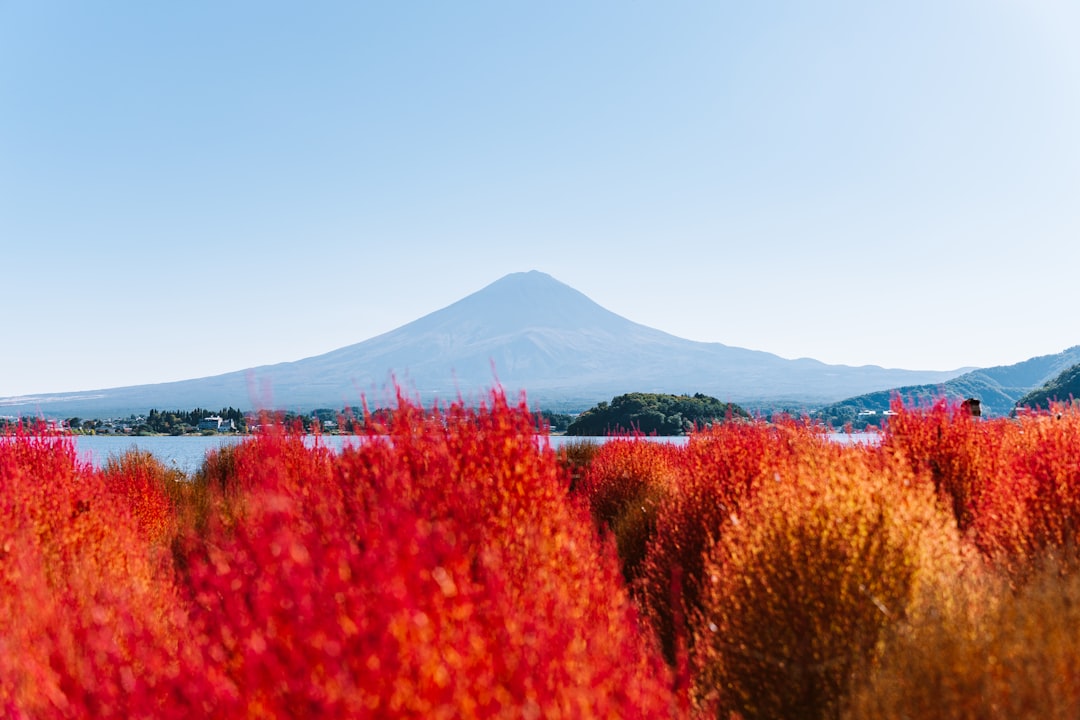
What you’ll see: The Pacific coast views between Odawara and Shizuoka, Mt. Fuji from the south (clear days, morning light is best), the Hamana-ko lagoon at Hamamatsu, industrial Nagoya’s approaches. This is Japan’s spine at ground level, at local train pace.
Best Routes for 18 Kippu
Tokyo to Matsumoto (Chuo Line): 3–4 hours through the Kanto mountains and into the Japanese Alps. The Chuo Line passes through dramatic valley scenery and arrives at the castle town of Matsumoto (which connects to Takayama by direct JR bus, not covered).
Osaka to Hiroshima (San’yo Line coastal route): 3 hours along the Seto Inland Sea coast, through Himeji (castle visible from the train), Okayama, and into Hiroshima. Views of the inland sea between Onomichi and Mihara.
Hiroshima to Shimonoseki (San’yo Line western end): Follows the coast along the Seto Sea toward Kyushu. The Kanmon Strait crossing to Mojiko (Kyushu) involves the JR ferry (also covered by 18 Kippu).
Osaka to Kinosaki Onsen (Sanin Line): 2 hours 30 minutes north through Kyoto and into the Tango Peninsula to reach Kinosaki — the classic small onsen town with seven public bathhouses on a canal.
Toyama to Kanazawa to Kyoto (Hokuriku Line): Along the Sea of Japan coast; connects the Toyama/Tateyama area back to Kyoto via Kanazawa. 3 hours. This particular route connects well with the Tateyama-Kurobe Alpine Route (buses not covered by 18 Kippu but the rail sections are).
Seat Reservations
Local and rapid JR trains are unreserved — you board and find a seat. During peak travel periods (Golden Week, August, New Year) popular trains fill up and standing is common. The alternative to standing is to board at a terminal station (Tokyo, Osaka, Hiroshima) where you can wait for a train and secure a seat before departure.
Sharing a Pass
The 18 Kippu can be shared between multiple people on the same day, using one stamp-space for the group. Two people using the pass for one day counts as one stamp-space for both, meaning two people share the cost of one day (¥2,410 each) — making it an even stronger value for pairs.
Conditions for sharing: Everyone must travel together from origin to destination (same trains, same journey). You cannot split up and use the pass separately.
Limitations to Know Before Committing
The 18 Kippu doesn’t make sense for every itinerary:
- If you’re short on time: An 8-hour local train journey versus a 2.5-hour Shinkansen is only worthwhile if you have days to spend
- If your route requires express trains: Some regions (Hokkaido, rural Shikoku) have poor local train coverage; the Shinkansen or limited express is the practical option
- If you’re routing through Hokkaido: Local train coverage in Hokkaido is sparse and services have been cut significantly. Many Hokkaido routes that existed in 2010 no longer run.
When it makes perfect sense: Budget travel across Honshu during summer or spring with time to spare; rural branch line exploration; anyone who wants to see the country at local train pace rather than Shinkansen pace.
The 18 Kippu changes what Japan looks like. On a Shinkansen you see the inside of a train and arrive quickly; on an 18 Kippu day you see rice paddies, fishing towns, mountain valleys, small-city train stations with their specific smells and vending machines, the way the country changes hour by hour as you move through it. The slowness is not a compromise. For certain travelers, it is the point.
Plan your trip