5 Days in Osaka: The Complete Itinerary with Day Trip Options
Plan your trip
Five days in Osaka is the right amount — enough time to move past the tourist circuit and into the city’s actual character. The first two days cover the essential Osaka (Dotonbori, Shinsekai, Osaka Castle). Days 3–4 add the neighborhoods and a day trip. Day 5 goes deeper into the food, the craft culture, or a second day trip. Here’s the full breakdown.
Before You Arrive
Getting your IC card: Buy an ICOCA or Suica at the airport on arrival — it covers all subway, JR, and private railway travel in Osaka and is usable at convenience stores. Load ¥5,000–¥10,000 initially.
Accommodation base: Stay in Namba or Shinsaibashi for central access, or Umeda for the northern base. Namba gives walking access to Dotonbori; Umeda gives best transport connectivity.
Japan SIM or pocket WiFi: Get a data SIM at the airport (IIJ Mobile, b-mobile, or similar) — Google Maps navigation and Google Translate camera translation are essential tools throughout the trip.
Day 1 — Dotonbori, Namba, and the Nighttime Introduction
Morning: Arrive and settle Check in and walk Dotonbori in the morning — the canal-side strip before the evening neon. The atmosphere is lower intensity in morning light; good for exploring the back streets and finding the food stands before they queue.
Lunch: Kuromon Market The covered market 10 minutes’ walk from Dotonbori — fresh seafood at market stalls (uni, oysters, grilled scallops), the takoyaki stands, and the browsing atmosphere of the “Osaka Kitchen.” Plan 60–90 minutes.
Afternoon: Shinsaibashi and Amerika-mura Walk the Shinsaibashi-suji covered arcade south to north — the full commercial spectrum from budget fashion to Japanese lifestyle stores. Then west into Amerika-mura for the vintage shops and Triangle Park people-watching.
Evening: Dotonbori at night Return to Dotonbori as the neon illuminates — the canal-side walk, the Glico Running Man sign (most photographed at night), and dinner at one of the restaurants on the canal. The Dotonbori canal cruise (¥1,200, 20 min) runs in the evening for a different perspective.
Dinner: Takoyaki and okonomiyaki First Osaka meal: takoyaki from Wanaka (queue expected — worth it) and okonomiyaki from Mizuno nearby. The classic Osaka street food introduction.
Late: Hozenji Yokocho The narrow alley behind the Hozenji Temple — tiny restaurants and bars, the moss-covered Fudo Myoo statue. One drink or one more small dish at a 12-seat counter.
Day 2 — Osaka Castle, Shinsekai, and Tennoji
Morning: Osaka Castle (8:30 AM opening)
The castle park and grounds before the crowds peak. Walk the outer moat, through the inner gates, and up to the main tower (¥600). The 8th floor observation deck views over the city. The Osaka Castle park’s Nishinomaru Garden has seasonal blooms (cherry in March-April, plum in February).
Transit: Tanimachi Line to Tanimachi 4-chome (from Shinsaibashi) → 10-minute walk.
Afternoon: Shinsekai and Kushikatsu
Lunch and afternoon in the retro Shinsekai district — kushikatsu at Daruma or Yaekatsu (queue at Daruma expected; arrive 11:30 AM or after 1:30 PM). Walk through Janjan横丁 for the most time-capsule atmosphere. The Tsutenkaku Tower (¥1,000) observation deck if you want the elevated view.
Then: Shitenno-ji Temple (one of Japan’s oldest, built 593 AD) — 15-minute walk from Shinsekai or one stop on the subway to Shitenno-ji Station. Free to enter the outer grounds; ¥300 for the inner precinct.
Evening: Abeno Harukas or Tennoji
The Abeno Harukas 300 observation deck (¥1,500) for sunset views from the highest building in Osaka. Or skip and return to Namba for another round of food exploration.
Dinner: Kitsune Udon in a traditional setting
Day 2 dinner should be the sit-down local experience — a traditional udon restaurant (Osaka-style kitsune udon, the sweet fried tofu preparation) or a neighborhood kappo (chef’s counter) in the Namba area.
Day 3 — Nakazakicho, Umeda, and the North
Morning: Nakazakicho by foot
The preserved pre-war neighborhood north of Umeda — take the Tanimachi Line to Nakazakicho Station or walk 25 minutes from Umeda. The café-dense streets, the vintage clothing shops, and the street gallery culture. Start with coffee at one of the specialty roasters (Mel Coffee Roasters, Bear Pond equivalent — check current recommendations).
Midday: Umeda and the Hankyu Depachika
Walk or transit to Umeda — the Hankyu department store basement food hall is worth 45–60 minutes of browsing. Lunch from the prepared foods section (the bento and ready-made meal selection is exceptional).
Afternoon: Nakanoshima
The island between Osaka’s two rivers — the Museum of Oriental Ceramics (one of the finest collections in the world; ¥500), the Osaka City Hall (worth seeing from outside), and the rose garden. Walk the riverbanks along the Tosabori and Dojima rivers.
Evening: Fukushima izakayas
Dinner in Fukushima — the most local izakaya district. Arrive before 7 PM to secure a spot at the counter without waiting. Order edamame, yakitori, and whatever the season special is. Multiple drinks; multiple small orders. Total cost: ¥3,000–¥5,000 per person.
Day 4 — Kyoto Day Trip
Depart early (8 AM train)
Kyoto is 28 minutes by Hankyu Railway from Umeda (¥410) or 15 minutes by Shinkansen from Shin-Osaka (¥1,420 — not worth the premium for most travelers). The Hankyu is excellent.
Kyoto itinerary suggestion (full day, return by evening):
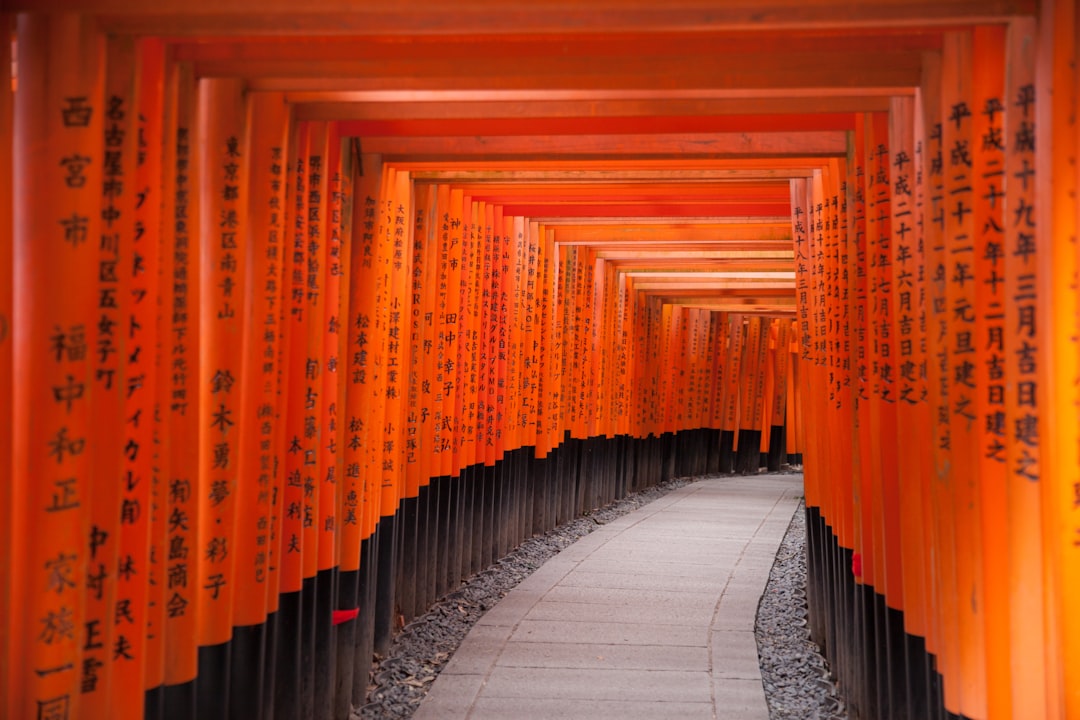
Morning (9 AM): Fushimi Inari Shrine — the 10,000 torii gates ascending the mountain. Arrive before 9 AM for the lower gates section without crowds; the upper mountain (1–2 hour hike) is quieter at any time.
Late morning: Nishiki Market — the “Nishiki Kitchen” covered market in central Kyoto. Pickled vegetables, tofu shops, fresh fish, and street food.
Lunch: Gion district restaurants. The soba and kaiseki lunch options around Gion are good; alternatively, eat at Nishiki Market stalls.
Afternoon: Kinkaku-ji (the Golden Pavilion — ¥500, the most visited sight in Kyoto) or Arashiyama (the bamboo grove, Tenryu-ji garden — 30 minutes west of central Kyoto by Sagano Line).
Return: Hankyu to Osaka Umeda. Dinner in Osaka.
Day 5 — Nara Day Trip or Deep Osaka
Option A: Nara Day Trip
Nara is 35–50 minutes from Osaka — the Kintetsu Nara Line from Namba is most convenient (35 min Limited Express, ¥1,110).
What to see: The wild deer of Nara Park (1,200 deer roam free — buy shika senbei deer crackers for ¥200 and be rushed). Todai-ji Temple — the Great Buddha Hall (the largest wooden building in the world, housing a 15-meter bronze Buddha). Kasuga Taisha Shrine (the lantern-lined approach through the forest). Isuien Garden (a traditional Japanese garden with Nara’s best design).
Return: Back to Osaka by early afternoon; final Osaka evening.
Option B: Deep Osaka — Tenma, Spa World, and the Full Circuit
If day trips don’t appeal, Day 5 as a deep Osaka day:
Morning: Tenjinbashisuji Shopping Street — the longest covered shopping arcade in Japan (2.6km). The local butchers, fishmongers, cheap lunch restaurants, and genuine neighborhood retail without tourist pricing.
Afternoon: Osaka Museum of History (near Osaka Castle) — the 10-floor museum tracing the city from Naniwa Palace to the modern city. Excellent English signage.
Evening: Final takoyaki and kushikatsu circuit — a deliberate revisit of the best spots from earlier in the week with more knowledge and fewer first-visit nerves.
Night: Spa World (Shinsekai) — the 11-floor onsen and spa complex. Open until 8:45 AM. The ideal Japan trip finale: a long soak in the rotating regional onsen baths (European floors, Asian floors), a meal in the restaurant, and departure for the airport in the morning. Admission ¥1,500 (¥2,400 late night).
Practical Notes for 5 Days
IC card: Load ¥10,000–¥15,000 total over 5 days for transit.
Osaka Amazing Pass: Consider for days when you’re doing multiple paid attractions + heavy transit — calculate based on your specific itinerary.
Restaurant reservations: Book any high-end or specific restaurants (kaiseki, kappo counter) at least 1–2 weeks ahead. Street food and izakayas are walk-in.
Temple and shrine early morning: Any major site (Osaka Castle, Fushimi Inari) before 9 AM delivers dramatically different experience from the 11 AM-3 PM tourist peak.
Pacing: Osaka rewards walking and wandering. The itinerary above has clear anchor points but the best moments often come from turning down a side street and finding the next yakitori stand.
Sample 5-Day Budget
| Category | Budget (¥) | Mid-range (¥) |
|---|---|---|
| Accommodation (5 nights) | 15,000 | 50,000 |
| Food | 15,000 | 30,000 |
| Transport (including day trips) | 8,000 | 8,000 |
| Admissions | 5,000 | 8,000 |
| Souvenirs/shopping | 5,000 | 20,000 |
| Total (5 days) | 48,000 (~$315) | 116,000 (~$765) |
Osaka is the most affordable major Japanese city — the 5-day experience is genuinely accessible at both budget levels.
Plan your trip