Day Trips from Osaka: The 8 Best Excursions
Plan your trip
Osaka’s central position in the Kansai region makes it the most logistically efficient base for exploring western Japan. Within 90 minutes you can reach Kyoto’s temples, Nara’s deer park, Kobe’s beef restaurants, Himeji’s castle, or the pilgrimage temples of Koyasan. The Shinkansen brings Hiroshima within 45 minutes. No Japanese city offers this concentration of accessible destinations.
This guide is for travelers who are using Osaka as their base — either because they prefer its energy, its food, or its lower accommodation prices relative to Kyoto.
Kyoto — 15 minutes (Shinkansen) or 75 minutes (Hankyu)
The fastest option: JR Shinkansen from Shin-Osaka to Kyoto takes 13 minutes. Not covered by standard JR Pass or IC card — requires a separate ticket (¥1,420) or reserved seat. Practical if you’re in a hurry.
The economical option: Hankyu Railway from Osaka-Umeda to Kyoto-Kawaramachi takes 44-75 minutes depending on the service (limited express vs local). ¥410, covered by IC card. Deposits you in the Gion area rather than near Kyoto Station, which is more convenient for most temple circuits.
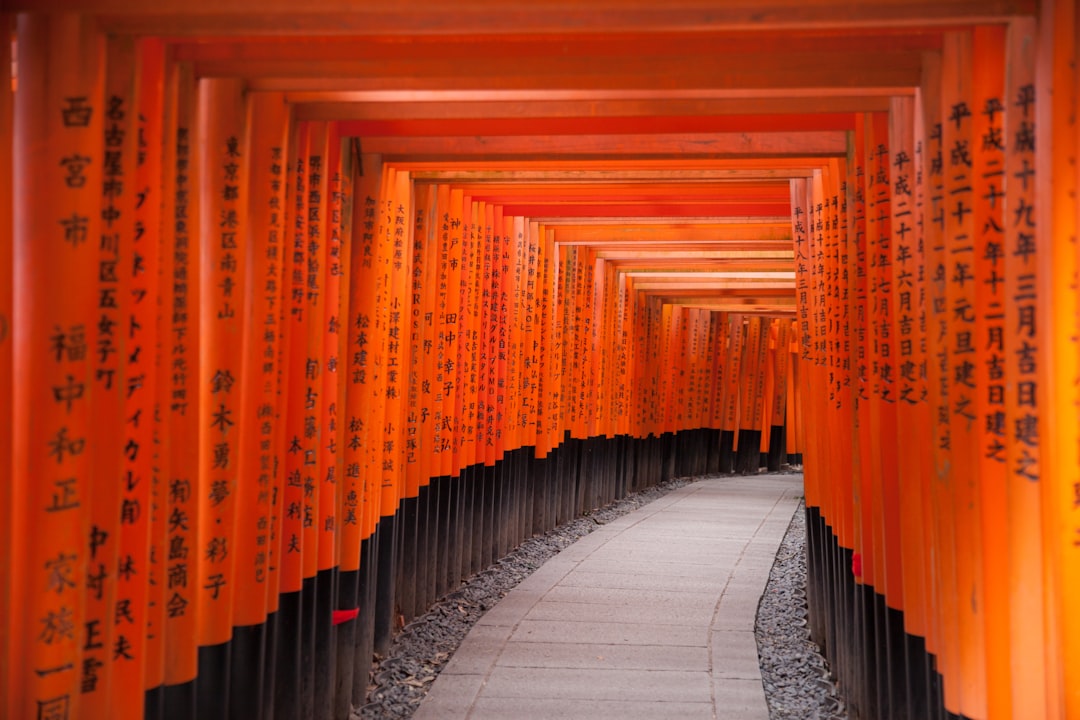
What to do: A Kyoto day trip can concentrate on a single district — Arashiyama (bamboo, Tenryu-ji, Togetsukyo Bridge), the Higashiyama Walk (Nanzenji through Kiyomizudera), or the northwest cluster (Kinkakuji, Ryoanji, Ninnaji). Trying to cover multiple districts in a day trip produces frustrating transit time. One neighborhood, one theme.
Nara — 40 minutes (Kintetsu)
Getting there: Kintetsu Nara Limited Express from Osaka-Namba: 40 minutes, ¥680. Better than the JR option (requires transfer, takes 50 minutes).
What to do: Nara’s core circuit — Nara Park, Todai-ji (Great Buddha Hall), Kasuga Taisha, and the Higashimuki shopping arcade — takes a comfortable 5-6 hours including lunch. A morning start from Osaka (8:30am arrival at Kintetsu Nara) means you’re at Todai-ji before the main tour groups by 9:30am and back in Osaka for evening.
Note: The deer operate on their own schedule. They’re most active and photogenic in early morning.
Kobe — 32 minutes (Hanshin)
Getting there: Hanshin Main Line from Osaka-Umeda to Kobe-Sannomiya: 32 minutes, ¥330.
What to do: Kobe’s full day covers Kitano’s ijinkan district and Kobe beef lunch (this should anchor the itinerary — book in advance for reputable restaurants), then Meriken Park and the port area in the afternoon, with optional Nada sake brewery visit. The day works cleanly: morning hills, afternoon water, evening train back.
The beef lunch at Kobe is one of the best single meals available as a Japan day trip. Budget ¥5,000-8,000.
Himeji Castle — 45 minutes (Shinkansen) or 60 minutes (JR Special Express)
Getting there: Shinkansen from Shin-Osaka to Himeji: 35 minutes (Nozomi, not covered by JR Pass; ¥3,260), or JR Shinkaisoku (rapid) from Osaka Station: 60 minutes, ¥1,520 (covered by JR Pass).
What to do: Himeji Castle is Japan’s most complete original castle — never destroyed, never significantly altered, the authentic version of what most other Japanese castles reconstruct. The main tower’s interior is original wooden construction from 1609. The surrounding Koko-en garden (9 connected gardens, ¥310) is genuinely excellent.
Half a day is enough for the castle and garden; a full day adds the Shoshazan Engyo-ji temple complex up the mountain (cable car) for a completely different atmosphere.
Wakayama and Koyasan — 2 hours
Getting there: Nankai Railway from Namba to Koyasan (via Gokurakubashi and cable car): approximately 2 hours, ¥1,640. A full-day trip.
Koyasan is the mountain headquarters of Shingon Buddhism, established by Kobo Daishi (Kukai) in 816 AD. The town of temples sits at 800 meters altitude and contains approximately 100 temple complexes. The main circuit is Kongobu-ji temple (the administrative headquarters), the Okunoin cemetery (where Kobo Daishi is entombed and where over 200,000 graves of feudal lords, samurai, and ordinary people have accumulated), and the Danjo Garan ceremonial complex.
Okunoin at dusk, with lanterns lit and the cedar-lined path leading to the innermost precinct, is one of Japan’s most atmospheric experiences. A day trip is feasible; an overnight stay in a temple lodging (shukubo) that includes evening and morning Buddhist ceremonies is the more significant version.
Yoshino — Cherry Blossom Pilgrimage
Getting there: Kintetsu from Osaka-Abenobashi (Tennoji area) to Yoshino: 1 hour 20 minutes, ¥1,110.
Yoshino is famous throughout Japan for one of its earliest and most reliable cherry blossom viewing spots — approximately 30,000 trees planted across the mountain, flowering at different elevations in a sequence that extends the sakura season across two weeks. The village of temples and shrines at the base and middle levels has been a pilgrimage destination since the 7th century.
Outside cherry blossom season (late March to late April), Yoshino is peaceful and rarely visited. Kimpu-sen-ji temple (the huge entrance gate featuring enormous Fudo Myoo statues) and the pilgrimage path up the mountain are compelling in any season.
Osaka Aquarium Kaiyukan + Tempozan Area
Not exactly a day trip but an Osaka half-day worth knowing: Kaiyukan (the aquarium in the port area) is one of the world’s best aquariums — the central tank houses whale sharks and manta rays in a column of water 9 meters deep that you descend alongside. Appropriate for any age; exceptional for children. 90 minutes by train from Namba (subway + shuttle). Plan for 3-4 hours inside.
Kinosaki Onsen — Full Day or Overnight
Getting there: JR Kinosaki Express from Osaka Station: 2 hours 40 minutes, ¥5,500.
The most satisfying onsen day trip from Osaka, though the timing makes an overnight more comfortable. Kinosaki is a 17th-century hot spring town with willow trees along a central canal and seven public bathhouses (sotoyu), each with different water and atmosphere. The tradition is to stay in one ryokan and walk between all seven baths during your stay, wearing the provided yukata and geta sandals — the walk between baths is as much of the experience as the baths themselves.
A day trip (morning departure, late evening return) is tiring but workable. An overnight gives you the full evening and morning bath circuit.
Planning Your Day Trips
The logistics work best from a Namba-area base that gives you quick access to both Kintetsu (Nara, Yoshino, Koyasan) and Hanshin (Kobe). Shin-Osaka connects to the Shinkansen for Himeji and Hiroshima.
Day trip combination for a 5-day Osaka stay:
- Day 1: Kyoto (pick one neighborhood)
- Day 2: Nara
- Day 3: Kobe (beef lunch is the anchor)
- Day 4: Himeji Castle
- Day 5: Kyoto second district (what you didn’t see on Day 1)
This leaves Koyasan for a dedicated visit, ideally with an overnight — it’s the one destination on this list that rewards staying.
Plan your trip