Jeonju: Hanok Village, Bibimbap, and Korea's Culinary Capital
Plan your trip
Jeonju is a two-hour train ride south of Seoul and the reason most Koreans who know food want to go to Jeolla Province. The city has the country’s largest preserved hanok village (over 700 traditional houses), the most debated version of bibimbap, a fermented food and makgeolli culture that goes deep, and a traditional crafts scene centered on hanji (Korean handmade paper) that has been operating since the Joseon period.
It is one of those Korean cities that domestic tourists visit specifically to eat and that international tourists underestimate because the famous foreign-facing attractions are located elsewhere (Seoul, Busan, Jeju). This is their loss.
Getting There
KTX from Seoul: The fastest option is KTX to Jeonju station (2 hours, ₩27,000–34,000) — a direct service from Seoul Station. Trains run roughly every hour.
Bus from Seoul: Intercity buses from Seoul’s Express Bus Terminal to Jeonju take about 2.5 hours and cost ₩10,000–15,000. Slower but cheaper.
From Gyeongju or Busan: Limited intercity bus connections; typically easier to return to Seoul and come back down the Honam KTX line.
Jeonju Hanok Village (전주한옥마을)
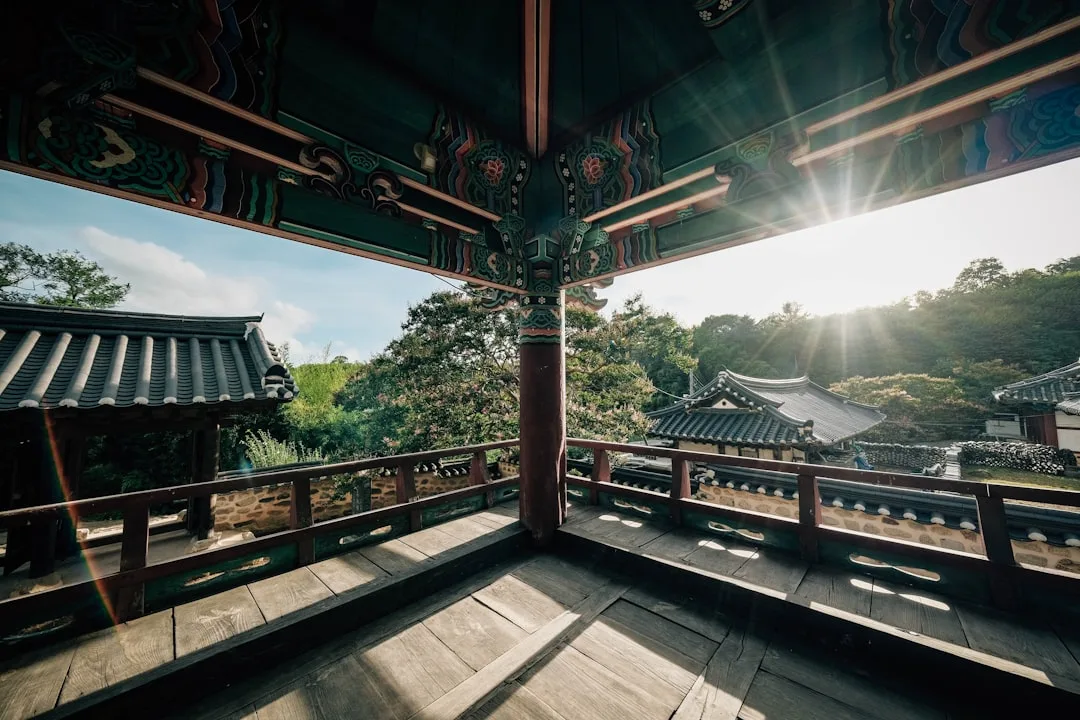
The Jeonju Hanok Village (Hanok Maeul) contains approximately 735 traditional Korean houses (hanok) in a roughly 27-hectare area, making it the largest collection of hanok in Korea. Unlike Bukchon in Seoul — which is primarily residential and keeps tourists at arm’s length — Jeonju’s hanok village is set up for visitors: the buildings house guesthouses, restaurants, craft workshops, and cultural experiences.
The main lane from the Gyeonggijeon shrine to the central intersection is the tourist corridor: vendors selling traditional snacks, shops selling crafts, and a density of cafes in hanok buildings that makes it feel somewhat theme-park-like in peak season. The streets to the north and east of this corridor are quieter, more residential, and closer to what the village actually feels like as a functioning community.
Staying overnight is the correct approach: Hanok guesthouses (hanok minbak) in the village offer the experience of sleeping on a yo (floor mat) in a traditional room, waking to the tile roofs and courtyard sounds of the village before the day-trippers arrive. Prices range from ₩40,000 for basic accommodations to ₩150,000+ for beautifully maintained heritage rooms.
Gyeonggijeon Shrine
The Gyeonggijeon (경기전) is a Joseon royal shrine within the hanok village — a protected complex containing a portrait of Yi Seonggye, the founder of the Joseon Dynasty, who was born in the Jeonju region. The shrine’s bamboo grove, wooden gates, and ceremonial halls are among the best preserved Joseon-era structures in Korea.
The Jeongseong Archives within the compound housed copies of the official national records (Joseon Veritable Records) that survived when the Japanese destroyed Seoul’s archives in 1592 — a fact that lends the shrine a specific historical significance. Admission ₩3,000.
Jeonju Bibimbap
The origin of bibimbap is contested by food historians, but Jeonju claims it most loudly and backs the claim with the most elaborate version. Jeonju bibimbap is distinguished from Seoul or home-style versions by several elements:
- Soybean sprout namul cooked in anchovy stock rather than plain water — the stock adds umami depth to the sprouts
- Beef tartare (yukhoe) rather than cooked beef, giving the dish a raw freshness
- 30+ types of namul (seasoned vegetable preparations) in the most traditional full-version served at dedicated restaurants
- Dolsot (stone bowl) service, where the bowl is heated until the rice crisps against the bottom — the nurungji (scorched rice crust) is part of the dish
Where to eat it:
Gajok Hoegwan (가족회관): The most consistent recommendation from Korean food critics. The full bibimbap includes 30+ banchan and takes up the full table. Lines form; arrive by 11:30am for lunch or 5:30pm for dinner. ₩12,000–15,000.
Korea House (한국관): Second-generation family restaurant with decades of reputation. More tourist-facing than Gajok Hoegwan but without sacrificing quality.
Gogung: A chain that represents the accessible version of Jeonju bibimbap — reliable, affordable, widely available in the village. Not the definitive version but good for comparison.
The Food Beyond Bibimbap
Jeonju and the Jeolla region have an abundance of food culture that extends beyond the bibimbap identity:
Kongnamul Gukbap (콩나물국밥): Soybean sprout rice soup — a Jeonju specialty and the traditional morning-after meal. The clear broth, tender sprouts, rice, and raw egg create a dish specifically calibrated for recovery. Available at 24-hour restaurants.
Makgeolli: Jeonju is in the heart of Korea’s best makgeolli-producing region. The milky, slightly sweet, slightly tart fermented rice wine is consumed in volumes here that the rest of Korea can’t match. The pairing is pajeon (green onion pancakes) or jeon (savory pancakes) of various kinds — the combination is as canonical as wine and cheese in France.
Hanamari: A Jeonju version of a drinking snack spread — makgeolli with multiple accompanying anju (food served with drinks). The anju plates (typically ₩5,000–10,000 per serving) include pancakes, spicy rice cakes, small dried fish, and fermented dishes.
Choco-pie and bread culture: Jeonju has an outsized reputation for bread and pastry that isn’t immediately explicable but is genuine — the Choco-pie from Gundaebang bakery and the various traditional confectioners along the hanok village main street produce items that Koreans specifically travel to buy.
Craft Workshops
Hanji (Korean handmade paper) is a Jeonju specialty with a history traceable to the Goryeo Dynasty. The paper is made from mulberry bark in a process that produces a material stronger, longer-lasting, and more beautiful than most Western papers. Several workshops in and around the hanok village offer demonstrations and participation:
Jeonju Hanji Center: The main institution for hanji production and education, with workshops, a museum of paper techniques, and a shop selling paper products.
Jeonju Oriental Medicine Museum: Jeolla Province has a strong traditional medicine tradition; the museum covers it with genuine depth.
Fan (부채, buchae) crafts: Jeonju is the historical center of Korean fan production. The folding fans with painted or written designs are a traditional craft available at the village’s craft shops at multiple quality levels.
Chonbuk National University Street and the Night Market
The neighborhood around Chonbuk National University — 15 minutes from the hanok village by taxi — has the student food culture that all Korean university neighborhoods develop: cheap, creative, and open late. Objectif Craft Beer and various cocktail bars for a more contemporary evening if you’ve exhausted the traditional atmosphere.
The Nambu Market (남부시장) near the hanok village holds a famous night market on Fridays and Saturdays (6pm-midnight) focused specifically on food — a rotating lineup of small producers and restaurants selling at accessible prices. The makgeolli-and-jeon combination at the market is the canonical Jeonju food experience at its most informal.
Practical Notes
Two days is the right amount for Jeonju — a full day in the hanok village and its immediate surroundings, and a second morning for the slower walk through the residential streets and the markets before departing.
The hanok village gets busy on weekends and Korean public holidays. Weekday visits, particularly Monday-Wednesday, allow you to experience the village at something closer to its natural pace.
From Jeonju: Day trips to Naejangsan National Park (30 minutes by bus) for the famous autumn maple corridor or Buan (mudflat coast tidal flat, 50 minutes) are viable additions. Suncheon Bay (90 minutes south) is worth an extra day if your Korean itinerary extends to Jeolla Province.
Plan your trip