Two Weeks in South Korea: The Complete Itinerary
Plan your trip
Two weeks is enough time to experience Seoul properly, reach Gyeongju and the south coast, and see Jeju without feeling rushed. It’s not enough time to go deep on every region — that would take months — but it allows a genuine experience of the range: the old capital, the coastal city, the volcanic island, and the present-day capital.
This itinerary is designed for first-time visitors to Korea with no specific interest in a single region above others. Those with more specific interests (temples, hiking, K-pop culture, food) should restructure around those priorities using the individual guides.
Overview
| Days | Location | Theme |
|---|---|---|
| 1–5 | Seoul | City foundation — palaces, neighborhoods, food, nightlife |
| 6 | DMZ Day Trip | Historical understanding |
| 7–8 | Gyeongju | Ancient Silla capital |
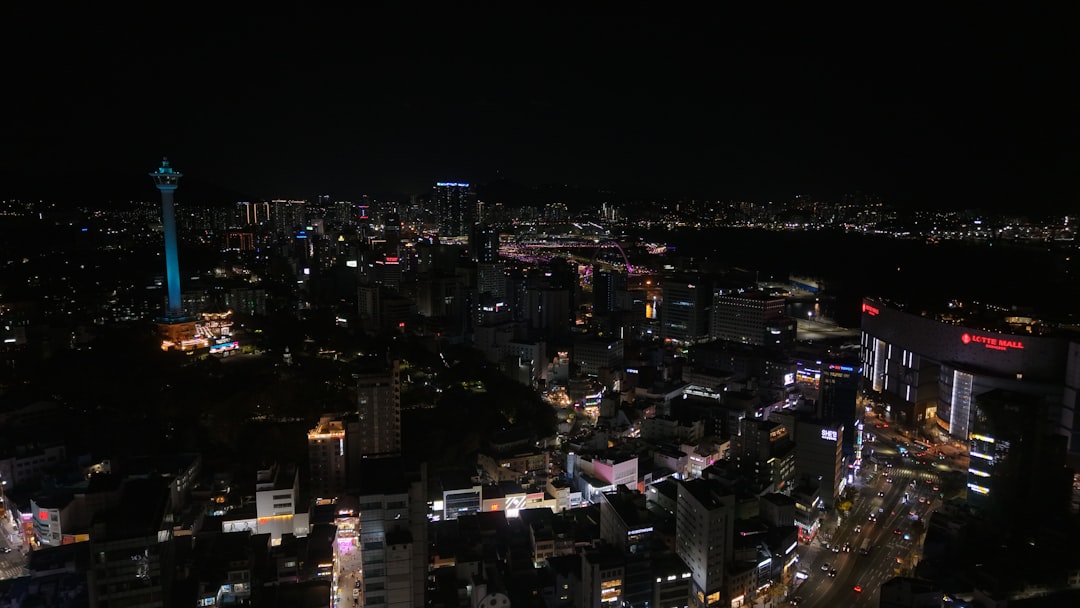
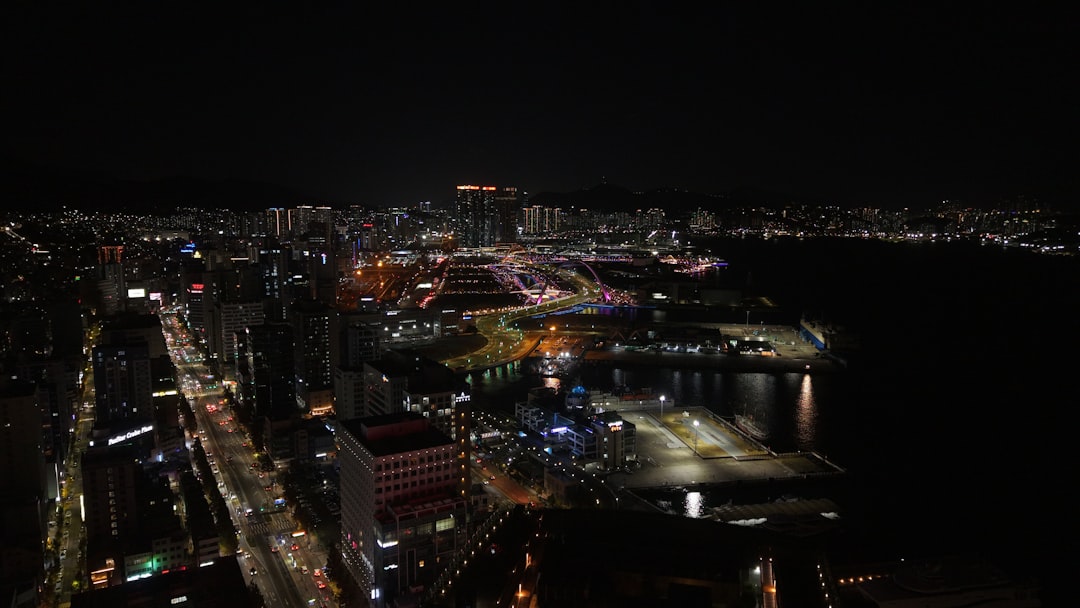
| 9–11 | Busan | Korea’s second city and coast |
| 12–13 | Jeju Island | Volcanic island, beaches, nature |
| 14 | Seoul (return) | Final evening and departure |
Transport backbone: KTX connects Seoul–Gyeongju–Busan. Domestic flight connects Busan to Jeju. Return Seoul–Jeju flight or Jeju–Seoul for departure.
Days 1–2: Seoul — Old City and Palaces
Day 1: Arrival. Get T-money card at Incheon Airport convenience store. AREX to Seoul Station or Hongdae (depending on accommodation). Evening: Myeongdong for dinner — dakgalbi, tteokbokki, street food circuit. First night orientation.
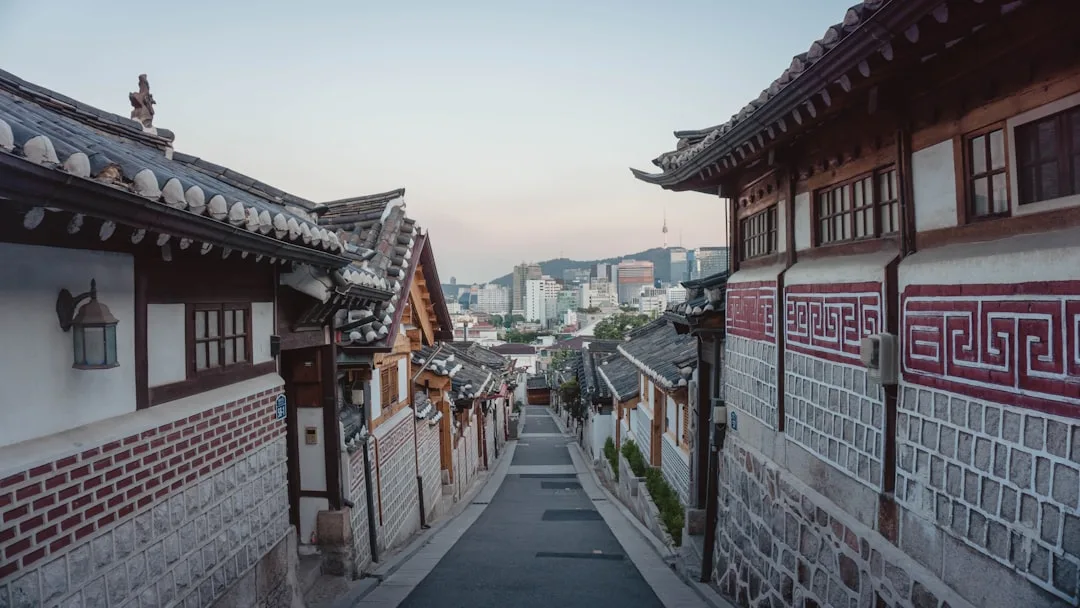
Day 2: Start at Gyeongbokgung Palace (open 9am — arrive at 10am guard-changing ceremony). Walk through to Bukchon Hanok Village (traditional tiled-roof neighborhood, 15 minutes north of Gyeongbokgung east gate). Lunch in Insadong (traditional craft street adjacent to Bukchon — tea houses, craft shops, street food). Afternoon: Gyeongbokgung National Folk Museum within the palace grounds (free with palace ticket). Evening: Gwangjang Market for bindaetteok and mayak gimbap, then Euljiro bars if energy allows.
Day 3: Seoul — Han River and Modern City
Morning: Changdeokgung Palace and Secret Garden — book the English-language Huwon tour in advance (11:30am tour). Afternoon: Walk to Seongsu-dong via the Han River bridge — specialty coffee, converted factory cafés, Seoul Forest. Seoul Forest park walk. Evening: Han River Park (Ttukseom or Yeouido) — tarp, chimaek, bridge lights at sunset.
Day 4: Seoul — Neighborhoods and Culture
Morning: Hongdae — the creative district around Hongik University. Breakfast at a specialty café. Browse independent fashion and record shops. Midday: Walk to Sinchon (15 minutes east), lunch at a university-area restaurant (good value). Afternoon: Namsan Mountain — walk up from Itaewon side, through Haebangchon neighborhood, to N Seoul Tower for city views. Golden hour from the tower. Evening: Itaewon — international restaurant circuit, HBC bars.
Day 5: Seoul — Food Day and Night
Morning: Noryangjin Fish Market — arrive at 10am for the full selection. Buy flounder or crab, carry to the second floor for preparation, eat overlooking the tanks. Take Line 1 back toward central Seoul.
Afternoon: Choose one deep dive depending on interest:
- Shopping: Myeongdong and Dongdaemun Design Plaza (DDP) for fashion/design
- Culture: Leeum Samsung Museum of Art (Hannam-dong)
- K-pop: HYBE Insight (BTS exhibition, Yongsan)
- Rest: Jjimjilbang — a Korean bathhouse for an afternoon recovery
Evening: Samgyeopsal dinner in Mapo (best concentration of mid-range samgyeopsal restaurants in Seoul). Soju and doenjang jjigae side dishes.
Day 6: DMZ Day Trip
The Demilitarized Zone — the 4km-wide buffer between North and South Korea — is accessible from Seoul on organized day tours that include:
- Panmunjeom / Joint Security Area (JSA): The village on the military demarcation line where North and South Korean soldiers face each other. The blue UN buildings straddle the actual border; visitors can step across the line into “North Korea” within the building under military escort. Access requires tour booking through one of the authorized operators (USO, JSA Tours, Korean DMZ Tours).
- Dora Observatory: The South Korean observation point with telescopes looking into North Korea proper — agricultural areas, Kaesong Industrial Complex site, and the propaganda village of Kijong-dong visible.
- 3rd Infiltration Tunnel: A tunnel dug by North Korea in the 1970s for potential troop movement; discovered and now open to visitors (hard hat, helmets required, the tunnel descends steeply).
- Dorasan Station: The southernmost railway station on the Gyeongui Line — a fully built station that sees no trains. Built in anticipation of Korean reunification.
Booking: JSA access requires booking at least 3–5 days in advance through authorized operators. Bring your passport — checkpoint entry requires ID verification.
From Seoul: Tours depart from central Seoul (typically 8am), return by 5–6pm.
Days 7–8: Gyeongju
Take the KTX from Seoul Station to Singyeongju Station (2 hours). Don’t take the general express to Gyeongju Station — Singyeongju is the KTX stop, better located for sites.
Gyeongju was the capital of the Silla Kingdom (57 BCE–935 CE) — one of the world’s longest-running royal dynasties. The city has more UNESCO-designated historic sites per square kilometer than anywhere else in Korea. The main sites are spread across the city and its outskirts; a bicycle (available near the main sites) covers most of them.
Day 7 — Tumuli Park and Central Sites:
- Tumuli Park (대릉원): 23 royal burial mounds, several excavated — massive grassy domes in the city center, free to walk among. Cheonmachong (Heavenly Horse Tomb) is open inside for viewing.
- Gyeongju National Museum: The gold crowns, gold belts, and jewelry from the Silla royal tombs — among the finest gold work in East Asian history. Free. Plan 2 hours.
- Anapji Pond (안압지, now Donggung and Wolji): A reconstructed Silla-era royal pleasure garden, best visited in the evening when the pavilions are lit and reflected in the water.
Day 8 — Bulguksa and the Hills:
- Bulguksa Temple: The UNESCO-listed Silla-period temple complex, 8km outside the city (bus from Gyeongju terminal). The stone staircases, Dabotap and Seokgatap pagodas.
- Seokguram Grotto (15 minutes by bus above Bulguksa): The dome-shaped granite Buddha, considered the finest sculptural work of the Silla period.
- Tumuli hiking: The hills around Namsan (Gyeongju Namsan, different from Seoul) have Silla rock carvings and temple foundations accessible by trail.
Accommodation: Gyeongju has good guesthouse options near the station; mid-range hotels near Tumuli Park.
Days 9–11: Busan
KTX from Singyeongju Station to Busan Station (30 minutes). Check in; the accommodation question in Busan is location:
- Haeundae/Gwangalli: Beach access, international hotel standards, more expensive
- Nampo-dong/BIFF Square: Old city character, cheaper, central to traditional sites
Day 9 — Old Busan:
- Jagalchi Fish Market: Early morning for the freshest seafood and the working market atmosphere. Breakfast of mul hoe (sliced raw fish over rice with spicy broth) at the second-floor restaurants.
- Gamcheon Culture Village: The tiered hillside neighborhood of painted houses, public art installations, and maze-like staircases above the old port. 2–3 hours to explore.
- Gukje Market: The large covered traditional market between Nampo-dong and Jagalchi.
- BIFF Square: The outdoor cinema square at the base of Nampo-dong — the open-air street of hand prints from Korean film stars, flanked by ssiat hotteok (seed-filled pancake) vendors.
Day 10 — Temples and Beaches:
- Beomeosa Temple (morning): On Geumjeongsan mountain, reached by bus from Beomeosa Station. The 17th-century main hall, mountain forest trails, the approach walk.
- Geumjeongsan Fortress walls: From Beomeosa, trails connect to the Joseon-era mountain fortress walls.
- Gwangalli Beach (afternoon/evening): The bridge view. Dinner at a beachfront restaurant. Gwangandaegyo illumination after dark.
Day 11 — Haeundae and East Busan:
- Haeundae Beach: Morning walk before crowds.
- Dongbaek Island circumference walk: 1.2km coastal path.
- Centum City / Shinsegae (optional): World’s largest department store — worth 2 hours for the food hall alone.
- Busan Cinema Center: If in town for BIFF (October) or just to see the architecture.
- Afternoon flight or evening ferry to Jeju.
Days 12–13: Jeju Island
Fly from Gimpo (Seoul) or from Busan (Gimhae Airport) to Jeju. Pick up rental car at the airport — non-negotiable for meaningful island exploration.
Day 12 — East Jeju:
- Manjanggul Lava Tube: Morning, before crowds.
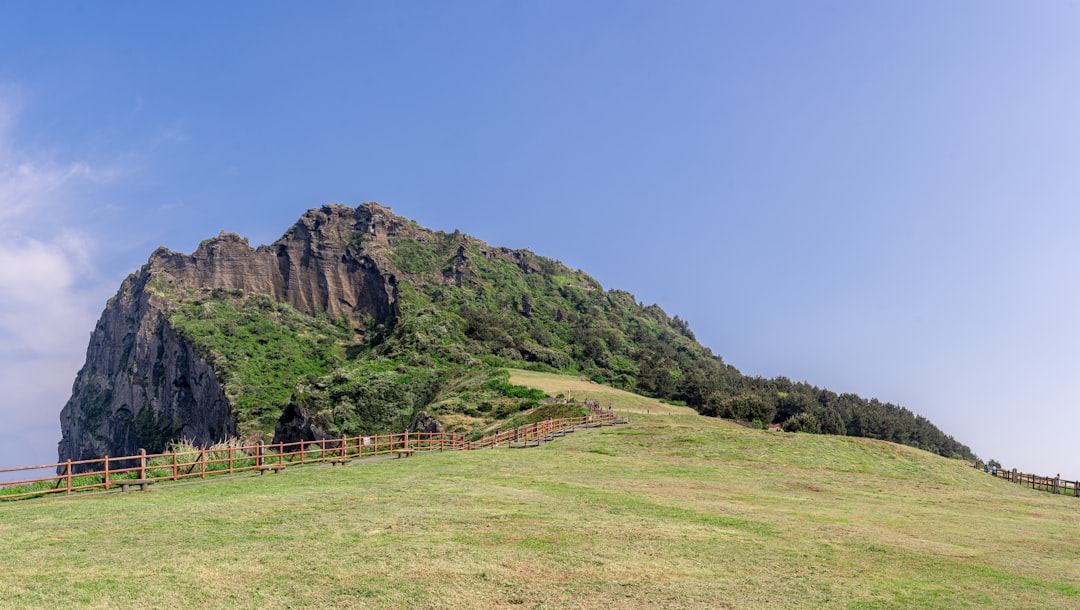
- Seongsan Ilchulbong: For the pre-dawn sunrise experience, adjust accordingly (arrive 60 minutes before sunrise, timing varies by season). Or afternoon for the haenyeo diving demonstration.
- Udo Island: Ferry from Seongsan Port, bicycle circumnavigation, peanut ice cream, return for dinner.
- Dinner in Seongsan or coastal restaurant: sea urchin seaweed soup, grilled hairtail.
Day 13 — West Jeju and Hallasan:
- Yeongsil or Eorimok Trail on Hallasan: 2–4 hours round trip, views of the crater area without full summit commitment (summit requires earlier start).
- Sanbang Mountain and Yongmeori Coast: Afternoon.
- Hyeopjae Beach: Sunset on the west coast, turquoise water, Biyangdo Island view.
- Return rental car; evening departure flight to Seoul.
Day 14: Seoul (Return)
Final day — typically arrival evening before (Day 13 night in Seoul) or morning of departure day.
Morning options: Namdaemun Market (traditional market, 5am–9pm, excellent for last-minute shopping), or a final specialty coffee in Seongsu-dong. Departure from Incheon: allow 3+ hours before flight; AREX express takes 43 minutes from Seoul Station.
Practical Tips for the Route
Booking sequence: Book KTX trains (Seoul→Busan via Gyeongju) before they sell out, especially for weekend travel. KORAIL letskorail.com allows advance booking.
DMZ: Book JSA access through an authorized operator at least 3 days before. Passports required.
Huwon Secret Garden: Book the English tour (changdeokgung.go.kr) at least a week in advance for spring/autumn.
Jeju rental car: Book before arrival — the cheapest cars sell out for peak season weekends.
Transport card: T-money works in Gyeongju buses and Busan Metro, not just Seoul. Keep it loaded throughout.
Pack for range: Two weeks spans urban neighborhoods, mountain trails, and beach days. Layers are essential — Korean weather is variable, and the difference between Seoul and Jeju temperatures in spring/autumn can be significant.
Plan your trip