Pakistan in September: Autumn in the Karakoram, Last Trekking Weeks, and Monsoon Ends
Plan your trip
September is Pakistan’s autumn in the north — the poplar trees of Hunza and the Gilgit valleys turn gold and orange, the harvested apricots and apples fill the roadside stalls, and the mountain landscape has a post-summer clarity that is distinct from the summer haze. The monsoon retreats from the south, making Lahore functional again. The trekking season is in its final productive weeks before October’s early snows.
Weather & Conditions
Hunza Valley: 10–24°C. Autumnal. The poplars and fruit orchards are turning gold.
Gilgit: 12–26°C. Comfortable and clear.
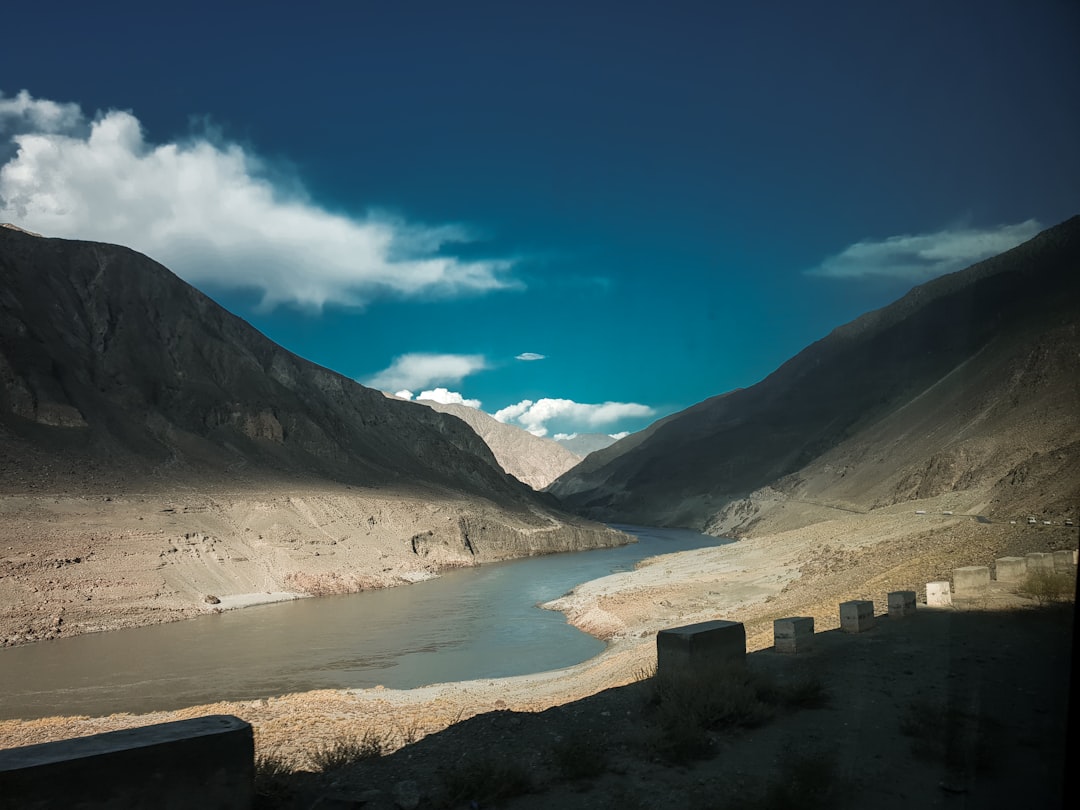
Skardu: 8–22°C. Expeditions are completing and returning. The Baltoro route is still open.
Lahore and Punjab: 26–34°C. Monsoon retreating. Temperatures dropping from August.
Islamabad: 22–30°C. Comfortable and increasingly clear. Good month for the city.
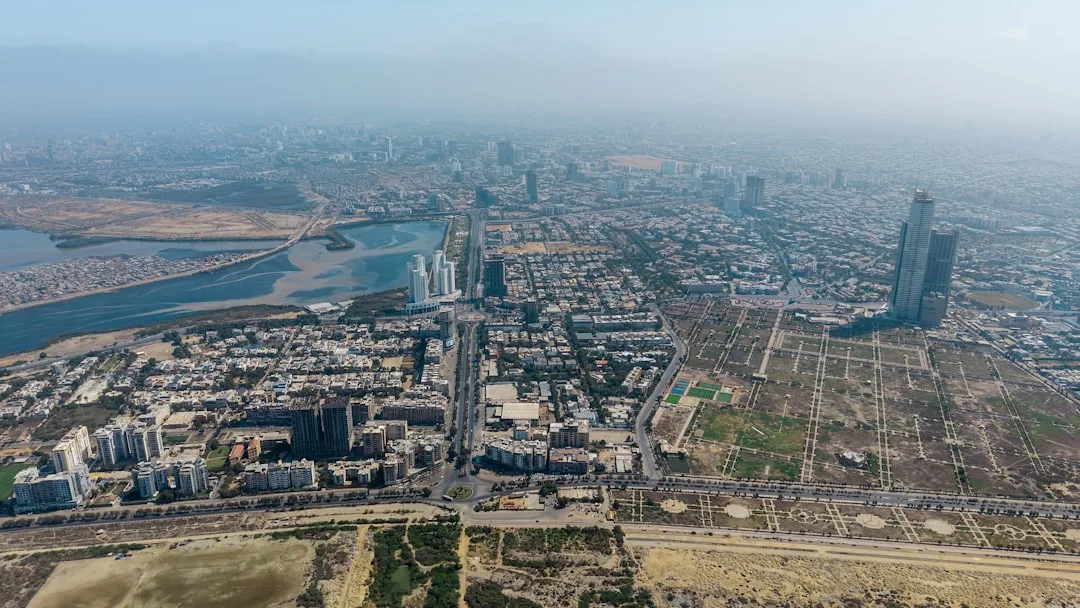
Karachi: 24–32°C. Monsoon ending. The coast returns to good conditions.
What to Do
Hunza autumn color: September–October is Hunza’s most beautiful period for a specific reason: the poplar trees that line every road, field boundary, and village turn a brilliant golden yellow, creating a landscape utterly unlike the blossom season (spring) or summer green. Combined with the apricot harvest and the red apple orchards, Hunza in September has a palette that photographers specifically travel for. This season is becoming better known but remains far less crowded than cherry blossom Japan.
Last Concordia/K2 base camp treks: The Baltoro Glacier trek is possible through September but becomes increasingly risky as October snows approach. September trekkers accept the possibility of early snowfall and plan accordingly. Operators track conditions and advise on safety.
Gojal Valley apple harvest: The upper Hunza Valley (Gojal) apple orchards produce in September. The Wakhi community of Gojal is extraordinarily hospitable and roadside apple purchases (including heritage varieties not available elsewhere) are a specific September pleasure.
Lahore returns to manageable: September’s monsoon retreat makes Lahore genuinely accessible again. The morning temperature drops and the Mughal monuments can be visited in September heat (30–32°C) with proper hydration and morning scheduling. The Lahore Museum (British-era, housing one of the finest South Asian collections) is excellent.
Swat Valley, Khyber Pakhtunkhwa: The valley of the Swat River — historically the heart of the Gandharan Buddhist civilization — is in its autumn best in September. The Mingora bazaar, the Saidu Sharif archaeological museum (Gandharan art), and the drive north through the valley are accessible and rewarding.
Festivals & Events
Urs festivals (various months, Lahore): Several major Sufi shrines in Lahore hold their annual Urs (death anniversary) celebrations in September–October. The Urs of Data Ganj Bakhsh (the city’s patron saint) is the most significant.
Pakistan Day preparations (March 23 — but September marks the beginning of the cultural season): Cultural organizations begin programming for the autumn season.
Practical Tips
Hunza autumn photography: the peak of the golden poplar color is typically the third week of October, not September — but September is when the color begins. September is less crowded than October’s golden peak, which is becoming known.
September Lahore: the heat is still significant (30–34°C) but the monsoon humidity has decreased. Outdoor sightseeing is possible with morning scheduling. The Badshahi Mosque in September morning light is excellent.
Last trekking season: operators begin wind-down in late September. Concordia treks departing after October 1 face increasing risk of snow closure. Confirm with operators in real-time.
Who September Is For
Autumn landscape photographers targeting Hunza’s golden poplar and apple harvest season. Cultural circuit travelers returning to Lahore after the summer. The last of the K2 base camp trekkers with flexible schedules. And travelers who specifically want Pakistan’s northern areas in the rich, harvested character of early autumn.
Plan your trip