Two Weeks in Pakistan: The Ultimate 14-Day Itinerary
Plan your trip
Two weeks in Pakistan reveals the country’s extraordinary depth — Mughal grandeur in Lahore, the world’s most dramatic mountain road, high-altitude valleys with legendary hospitality, and landscapes that rank among the finest on earth.
Days 1–3 – Lahore
Three days to properly explore Pakistan’s cultural capital.
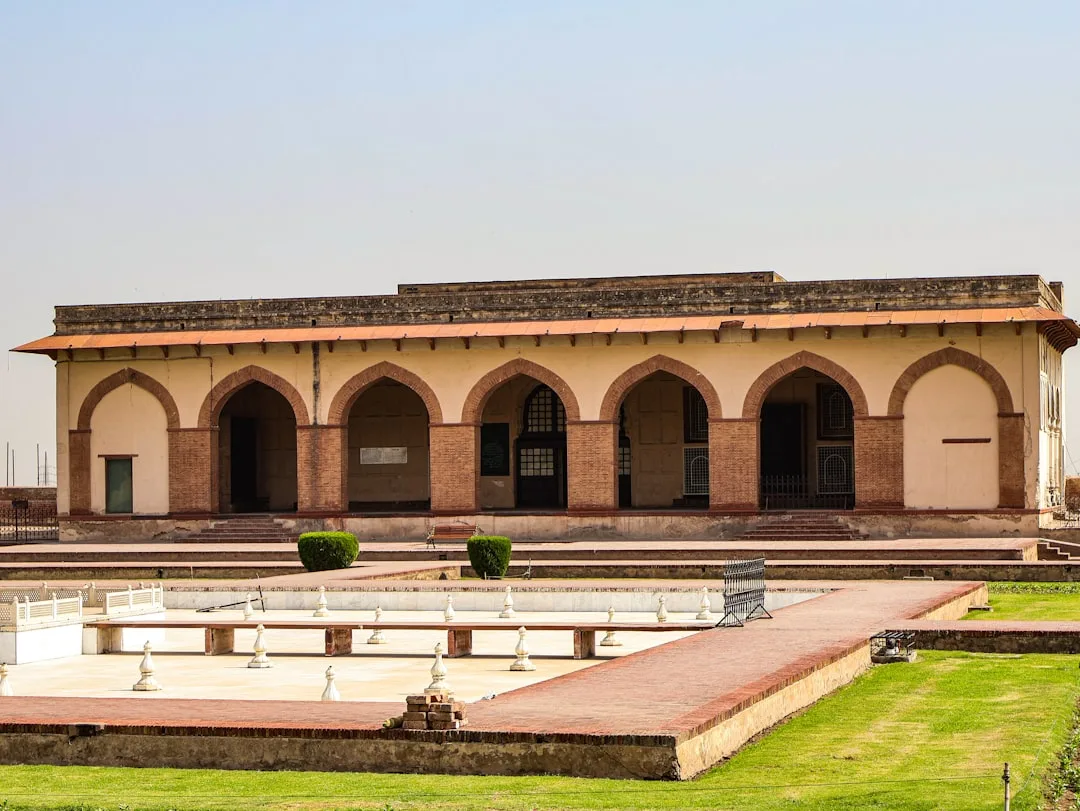
Day 1: Lahore Fort, Walled City (Wazir Khan Mosque, Delhi Gate, Anarkali Bazaar), and Gawalmandi Food Street for evening nihari and kebabs.
Day 2: Badshahi Mosque (the world’s most impressive mosque exterior), Samadhi of Ranjit Singh, Lahore Museum (Gandharan sculpture), and Shalimar Gardens.
Day 3: Food day — Lahore is one of the subcontinent’s great food cities. Breakfast of halwa puri (fried bread with sweet semolina) at a traditional breakfast spot. Lunch at Butt Karahi for the quintessential Lahori karahi (cast-iron wok dish). Evening street food tour — bun kebab, chaat, falooda (rosewater ice cream dessert).
Also: the Data Darbar Sufi shrine — the most visited religious site in Pakistan, dedicated to Data Ganj Bakhsh (11th-century Islamic scholar). The complex is atmospheric and peaceful, with devotees constantly present in prayer.
Day 4 – Fly to Islamabad & Drive North
Fly Lahore to Islamabad (45 min). Explore Islamabad briefly — the Pakistani Monument (a star-shaped museum of Pakistani history and culture), the Faisal Mosque (the world’s largest mosque capacity: 300,000 worshippers), and the cosmopolitan F-7/F-6 neighbourhoods for excellent cafés.
Drive or take the overnight NATCO bus north toward Chilas.
Days 5–6 – Fairy Meadows: Nanga Parbat Base
Drive through Chilas and turn off the KKH to the jeep track toward Fairy Meadows. A 45-minute jeep ride on a terrifyingly narrow cliff road leads to Tato village, then a 2–3 hour hike up to Fairy Meadows (3,300m) — an alpine meadow directly beneath the south face of Nanga Parbat (8,126m — the “Killer Mountain”).
The view from Fairy Meadows: the 4,500m vertical south face of Nanga Parbat rising directly above you, the largest rock face on earth. At night: extraordinary starscapes with the mountain silhouetted by moonlight.
Day 6: Hike to Nanga Parbat Base Camp (5 hours round trip, 3,600m) — a physically demanding but non-technical walk through moraines to views of the mountain at closer quarters. One of the most spectacular accessible viewpoints on earth.
Days 7–8 – Hunza Valley
Drive north on the KKH to Hunza Valley (3–4 hours from Chilas). Two days of fort visits, viewpoints, and valley walks.
Day 7: Arrive and walk the terraced apricot orchards. Visit Altit Fort (older than Baltit by 200 years — 900 years of Hunza royal history) and the Altit Heritage Village below it.
Day 8: Baltit Fort and the hike to Eagle’s Nest viewpoint at 3,200m for the panoramic valley views. Sunset from the rooftop of the local hotel — watching last light on Rakaposhi and Ultar Sar.
Days 9–10 – Upper Hunza & Khunjerab Pass
Drive north through the Attabad Lake tunnel and into Gojal (Upper Hunza) — the most Central Asian-feeling part of Pakistan, where Wakhi herders have summered their animals for centuries.
Khunjerab Pass (4,693m) — the world’s highest paved border crossing between Pakistan and China. The landscape above 4,000m is treeless and vast — yaks grazing, Marco Polo sheep occasionally visible, and a surreal sense of standing at the roof of the world.
The Khunjerab National Park en route to the pass is home to snow leopard (very rarely seen), Marco Polo sheep, brown bears, and golden eagles.
Day 11 – Return South: Swat Valley Diversion
Drive southwest from Gilgit toward the Swat Valley (5–6 hours) — a lush, green valley once called the “Switzerland of Pakistan” and a historical centre of Gandharan Buddhist civilisation (3rd century BCE – 10th century CE).
Days 12–13 – Swat Valley
Mingora city is the Swat capital. Key sites:
- Udegram — ancient hilltop ruins of a Buddhist stupa and monastery
- Jahanabad Buddha — a 7th-century rock carving of the Buddha (10m high) in the mountains above Swat
- Butkara Stupa — one of the most important Gandharan archaeological sites
- Swat Museum — excellent collection of Gandharan sculpture found locally
The valley itself is beautiful — terraced rice fields, walnut orchards, and snowcapped peaks above.
Day 14 – Peshawar & Departure
Drive to Peshawar (2.5 hours from Swat) — Pakistan’s frontier city, gateway to the Khyber Pass and Central Asia for 3,000 years. The Qissa Khwani Bazaar (Storytellers’ Bazaar) is one of the great markets of the subcontinent. The Peshawar Museum has outstanding Gandharan art.
Fly from Peshawar to Lahore or Islamabad for international connections.
Practical Notes
Local guide: Essential for Fairy Meadows, Khunjerab, and Swat. Logistics are complex and local knowledge is invaluable.
Pakistani hospitality: Legendary. You will be invited for tea constantly. Accept. The conversations with mountain communities are among travel’s most rewarding experiences.
Cash: Carry PKR in cash throughout. ATMs unreliable above Gilgit.
Best time: May–October for the KKH and mountains (passes snow-blocked October–May). March–April or September–October for Lahore.
Plan your trip