Tanzania in February: Calving Peak, Sauti za Busara, and the Last Dry Weeks
Plan your trip
February is the peak month for one of the most dramatic wildlife events on Earth: the wildebeest calving season on the Southern Serengeti’s Ndutu plains. The birthing is concentrated because all the animals ovulate at roughly the same time — a survival strategy that overwhelms predators with more calves than they can consume. Simultaneously, Zanzibar’s Sauti za Busara festival brings Stonetown alive with East African music and culture. February is an exceptional month to be in Tanzania.
Weather & Conditions
Southern Serengeti (Ndutu): 22–30°C. Dry and clear. The short grass plains of Ndutu are dotted with newborn wildebeest and their attendant predators. February is typically the driest month of this inter-rains period.
Central/Northern Serengeti: 22–28°C. The main herd is concentrated in the south. The northern Serengeti is quiet in February.
Ngorongoro: 18–24°C. Excellent and green.
Zanzibar: 26–31°C. The best beach weather of the year — northeast trade winds keeping things dry and comfortable. February is prime Zanzibar season.
Mount Kilimanjaro: Dry conditions continue. Excellent summit conditions. February is among the best months for the upper mountain.
What to Do
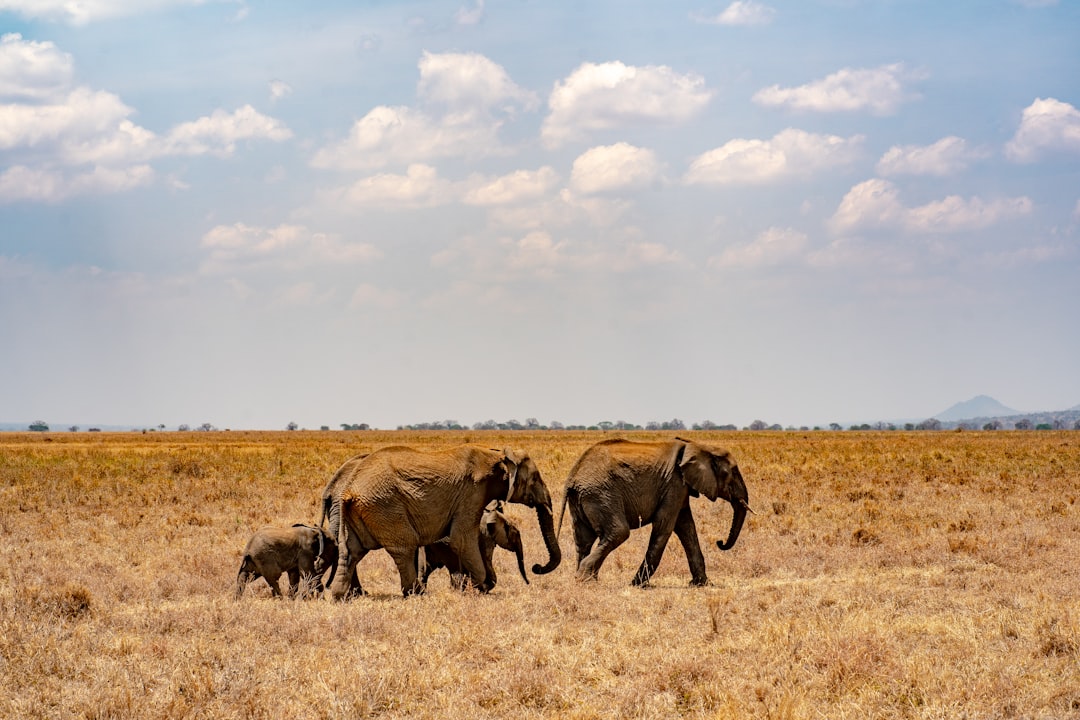
Calving season, Ndutu (Southern Serengeti): The concentration of wildebeest calves on the Ndutu plains — 400,000+ born in January–March — draws the full complement of predators. Spotted hyena clans patrol the birthing areas relentlessly. Lion prides coordinate to bring down wildebeest cows. Cheetah mothers use the distraction of calving herds to teach their cubs to hunt. This is not typical Serengeti game-viewing — it’s an explosion of biological drama. The best camps are north of Lake Ndutu: Dunia Camp, Ndutu Lodge, Sanctuary Ndutu Camp.
Walking Safari, Ruaha National Park: Tanzania’s second-largest national park — undervisited and spectacular — is at a good February state. Walking safaris with armed rangers through Ruaha’s bush (greater kudu, lion, leopard, wild dog) offer a ground-level experience unavailable in the Northern Circuit’s vehicle-only parks. The Ruaha River is full and wildlife gathers on its banks.
Sauti za Busara festival, Zanzibar (mid-February): East Africa’s premier music and culture festival runs over four days in Stonetown. Artists from across the continent perform at the Old Fort and surrounding venues. The night concerts in the Old Fort courtyard are extraordinary — Taarab, Bongo Flava, benga, and Congolese rhumba against Stonetown’s stone walls and the Indian Ocean breeze.
Spice tour, Zanzibar: Between beach and festival, a half-day spice tour through Zanzibar’s interior plantations — cloves, nutmeg, black pepper, vanilla, cardamom — is a standard that earns its reputation. The island’s Arab-Indian-African agricultural history is tangible in the interior.
Diving off Pemba Island: The waters around Pemba (Tanzania’s quieter northern island, accessible by ferry or charter plane) have some of the Indian Ocean’s finest wall diving. Visibility exceeds 30m in February. The Pemba Channel drop-off is world-class.
Festivals & Events
Sauti za Busara (mid-February, Stonetown): The definitive East African world music festival. Three to four nights of concerts in the Old Fort, plus daytime workshops, film screenings, and street performance.
Zanzibari Islamic calendar events (variable): February may align with Maulid (the Prophet’s birthday) in some years — observed with processions and community prayers in Stonetown’s mosques.
Practical Tips
Ndutu camps in February are in maximum demand — the wildlife spectacle is widely known. Book 4–6 months ahead through a safari operator or directly with camps.
Sauti za Busara tickets: sold online through the festival website. Day passes and full festival passes are available. Accommodation in Stonetown for festival weekend needs booking 2–3 months ahead.
February is Tanzania’s most expensive month for safari — demand is at its annual peak. Budget travelers may find better value in the shoulder seasons.
Zanzibar beach in February is genuinely as good as East Africa gets. Kite surfers at Paje find consistent 15–20 knot northeast wind.
Who February Is For
Wildlife photographers who want the calving season at its absolute peak. Safari travelers who plan carefully and book ahead. Music and culture travelers for Sauti za Busara. And anyone combining a Serengeti/Ngorongoro safari with Zanzibar beach time — February makes both components excellent simultaneously.
Plan your trip