Tanzania in June: Dry Season Begins, Great Migration Moves North, Best Wildlife Viewing
Plan your trip
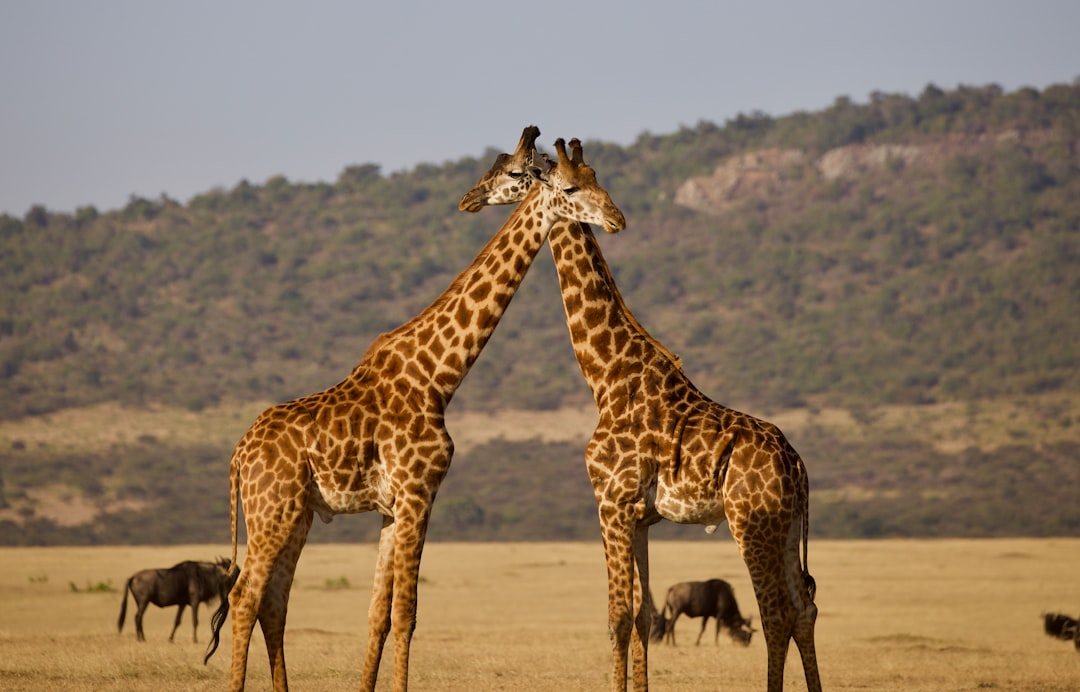
June is when Tanzania’s dry season properly begins and the country’s safari infrastructure returns to full operation. The long rains have ended. The grass is shortening, concentrating wildlife around permanent water. The Great Migration herd — 1.5 million wildebeest plus hundreds of thousands of zebra — has moved north from the calving grounds and is crossing into the Western Corridor and Grumeti ecosystem. The East Africa safari season is open.
Weather & Conditions
Serengeti (Western Corridor and Central): 18–28°C. Dry and clear. Increasingly shorter grass through the month. Excellent wildlife visibility.
Ngorongoro: 15–22°C. Cool crater rim mornings. The crater is clear and wildlife-rich.
Arusha: Dry season. Comfortable temperatures. The starting point for most Northern Circuit safaris.
Zanzibar: The southeast monsoon (kusi) is in force. The east coast (Paje, Jambiani) has wind but can be good for kite surfing. The north coast (Nungwi, Kendwa) is calmer. June is a reasonable month for Zanzibar beach.
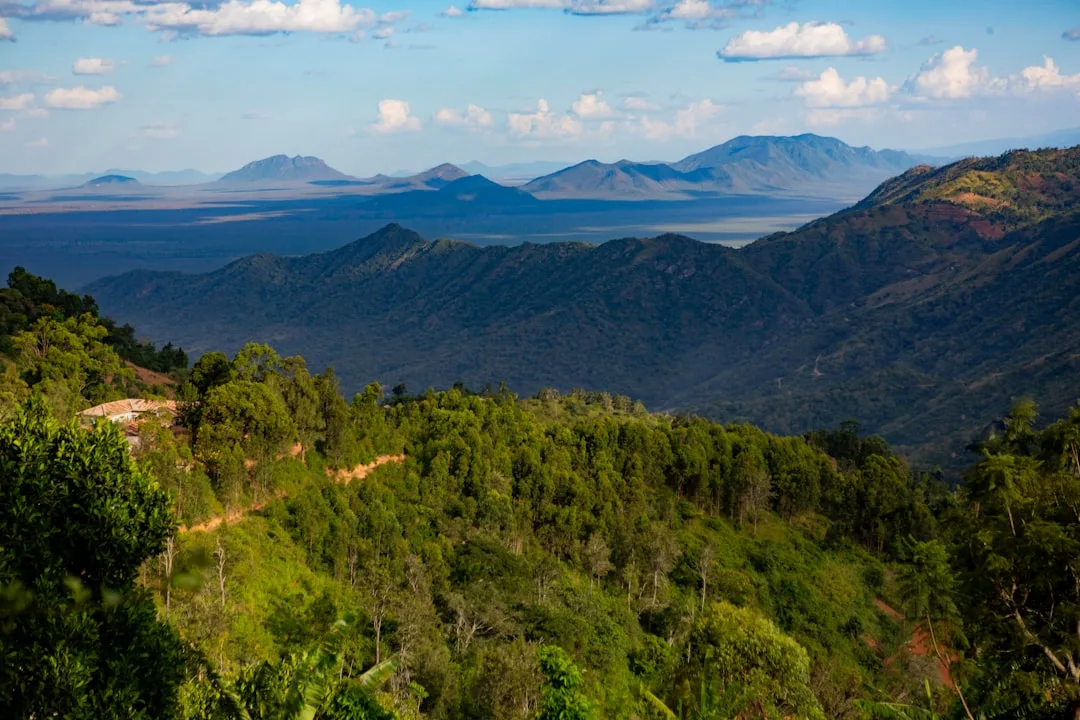
Mount Kilimanjaro: June is one of the better months for Kilimanjaro — dry conditions, clear summits. The beginning of the dry season creates good summit weather.
What to Do
Grumeti Crossing preparations, Western Serengeti: The wildebeest migration reaches the Grumeti River crossing in June–July. The Grumeti River is famous for its exceptionally large Nile crocodiles — some over 5 meters — that ambush wildebeest at the crossing. June crossings are less dramatic than the famous Mara crossings in August, but the predator activity along the river is extraordinary.
Ngorongoro Crater: June marks the start of peak season in the crater. Drive the 1-day descent-and-explore route: lions in the morning, black rhino tracking with a ranger in the afternoon, flamingo flocks on Lake Magadi. The crater is excellent year-round but June’s dry clarity maximizes visibility.
Kilimanjaro climbing (Machame Route): June is the start of the prime Kilimanjaro climbing window. The Machame “Whiskey Route” (6–7 days) is one of the most popular routes. The dry season means clear summit nights and day views from above the clouds. Book permits and operators 3–4 months ahead.
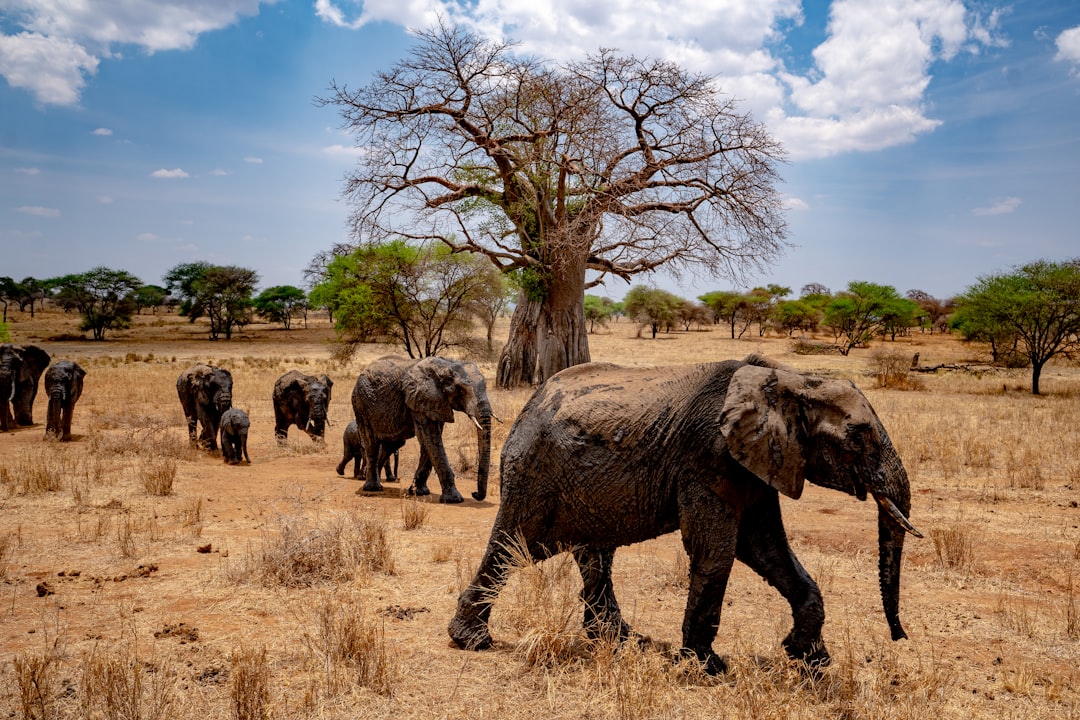
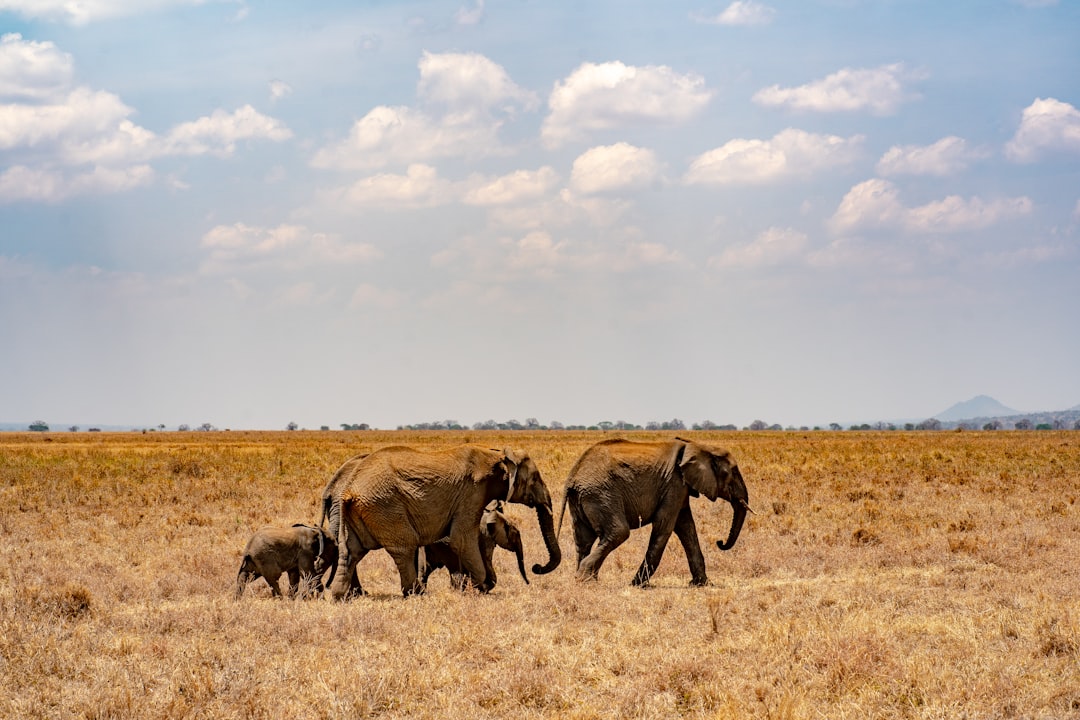
Selous/Nyerere National Park: Africa’s largest game reserve in southern Tanzania is in excellent condition from June — the Rufiji River is still high from rains, concentrating hippo, crocodile, and elephant. Boat safaris along the Rufiji are an unusual and excellent option.
Pemba Island diving: The Pemba Channel off the island’s western shore offers dramatic wall diving with excellent visibility in June. June–October is Pemba’s prime dive season.
Festivals & Events
Saba Saba (July 7, but lead-up events in June): Tanzania’s Trade and Industries Fair at the Dar es Salaam International Trade Fair grounds begins late June. A significant national economic event.
Zanzibar Film Festival (ZIFF, variable June or July): The Zanzibar International Film Festival is one of East Africa’s most important, held in Stonetown with screenings and events across the Old Fort and surrounding venues.
Practical Tips
June marks the beginning of peak safari pricing. Book 4–6 months ahead for any high-season camp in the Serengeti Western Corridor or Ngorongoro area.
Grumeti crossings: the timing of river crossings is impossible to predict precisely. Stay at camps in the Western Corridor for 3–5 nights to increase chances of witnessing a crossing.
Kilimanjaro in June: permits are through KINAPA (Kilimanjaro National Parks) — your licensed climbing operator handles the booking. There’s a per-day permit fee plus rescue fee. Total costs through a reputable operator are $1,500–3,000+ depending on route and duration.
Who June Is For
Safari travelers launching the East Africa high season. Wildebeest Migration followers who want the Grumeti corridor drama before the more famous Mara crossings in July–September. Kilimanjaro climbers targeting the prime dry season window. And beach travelers for whom Zanzibar’s southeast monsoon kite season is the attraction.
Plan your trip