Tanzania in May: Rains Ease, Camps Reopen, and the Best Value Safari Window
Plan your trip
May is when Tanzania’s long rainy season begins its retreat. The rains don’t end abruptly — it’s a gradual taper through the month — but by late May many camps have reopened and the combination of green landscapes, recovering wildlife, and end-of-low-season pricing creates one of the year’s best value windows. The Serengeti is extraordinarily lush. Zanzibar’s east coast begins its transition to the southeast monsoon.
Weather & Conditions
Serengeti: Rain tapering through May. The second half of the month sees increasing dry periods. Grass is tall (1–2 meters in some areas) — wildlife can be harder to spot at the start, improving as May progresses.
Ngorongoro: Rain easing. The crater is accessible with some cloud cover.
Southern Tanzania (Ruaha, Selous/Nyerere): The south is generally drier than the north in May. Ruaha’s river corridor is full of water and wildlife.
Zanzibar: The long rains ease in May. The east coast begins drying out toward the end of May. The southeast monsoon (kusi) arrives in May, bringing good conditions for the west coast.
Mount Kilimanjaro: Still a less reliable month for summit attempts. Conditions improve from June.
What to Do
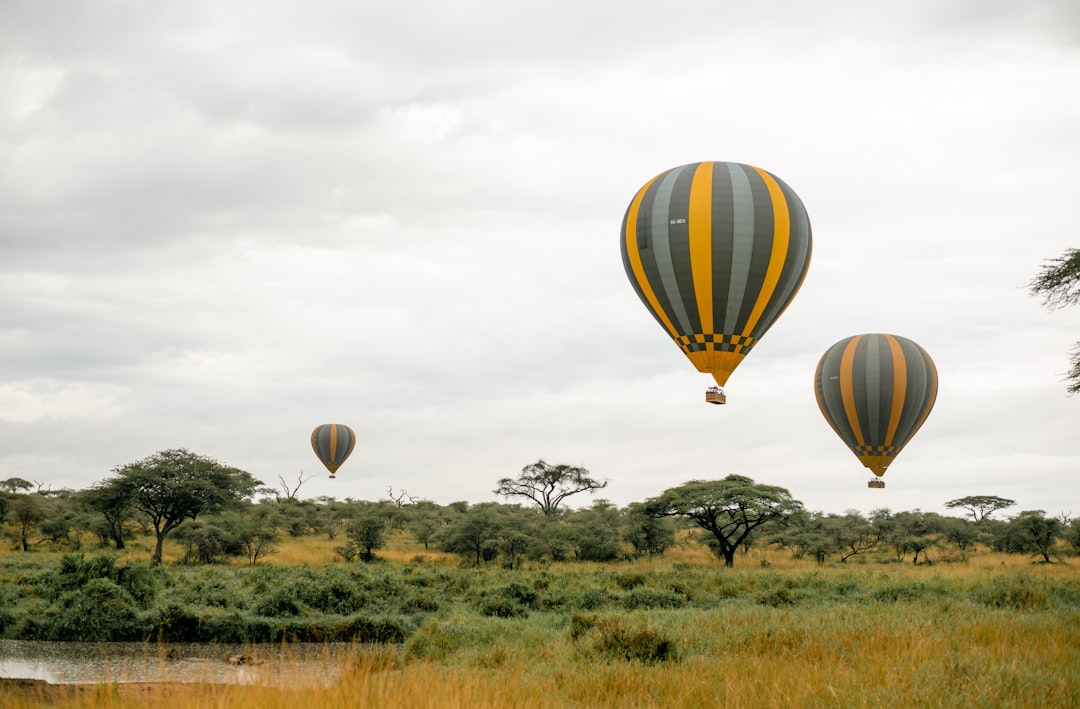
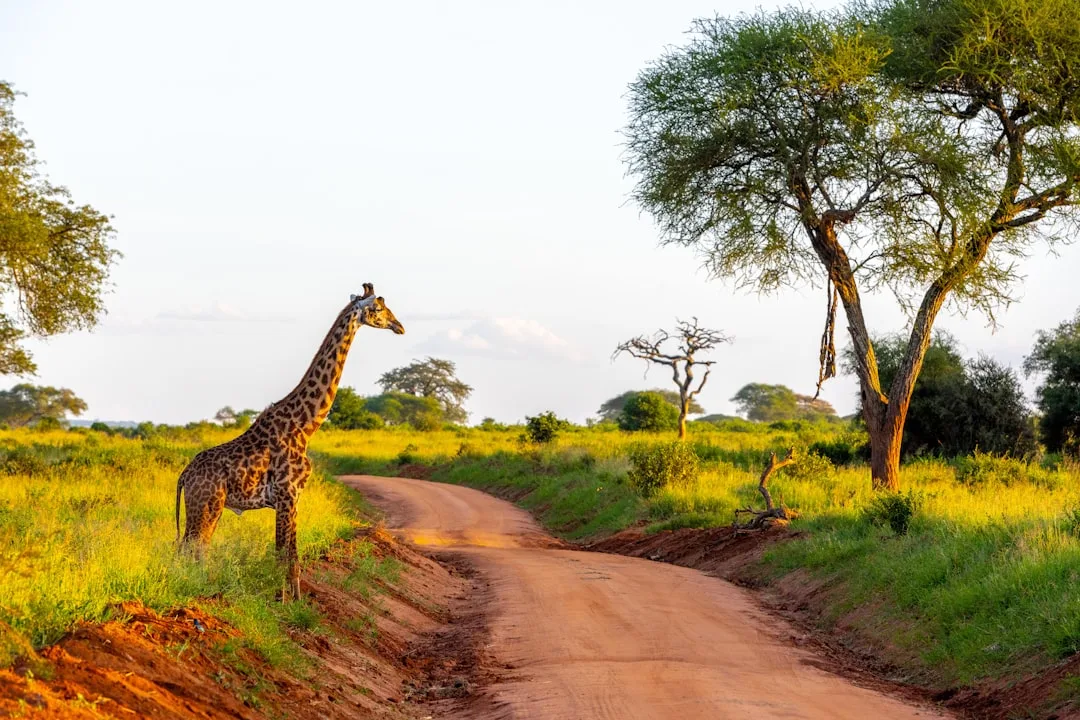
Green season Serengeti, Central and Northern sections: The Central Serengeti (Seronera area) and the Grumeti corridor are accessible in May with freshly reopened camps. Wildlife is dispersed but the landscape — vivid green grass against dark storm clouds and golden light — is exceptional for photography. Lion prides with young cubs are active. The tall grass period creates ambush opportunities for resident cats that are fascinating to observe.
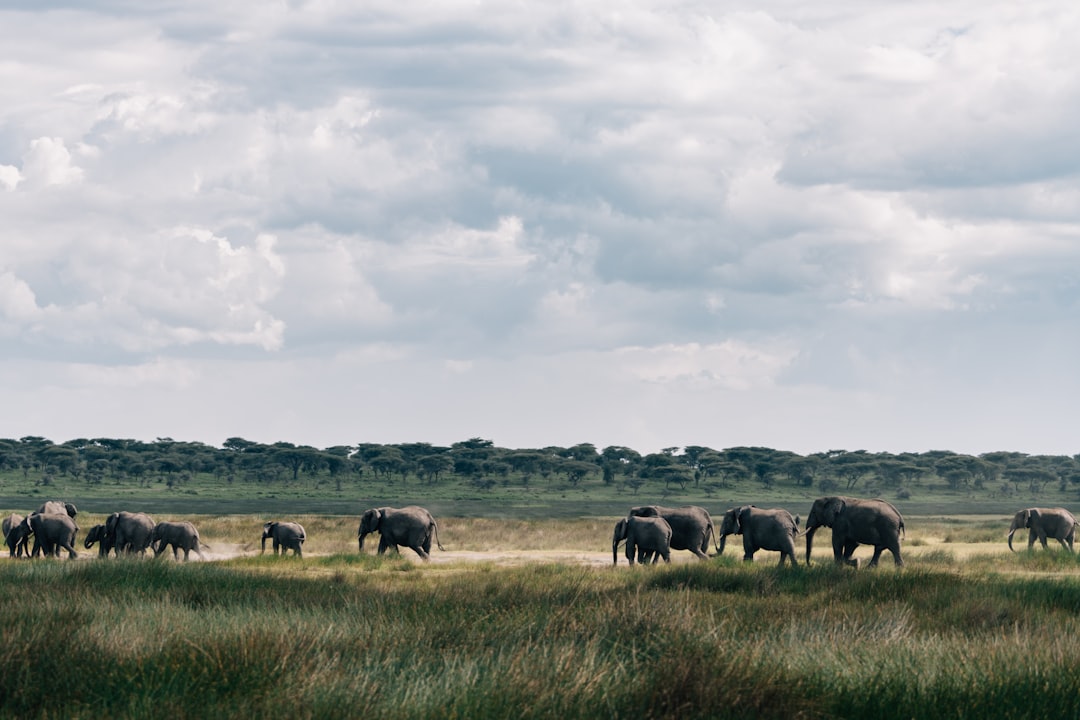
Ruaha National Park: Tanzania’s undervisited gem is at a good May state. The Ruaha River is high and wildlife concentrations along the bank are good — hippo pods, elephant herds coming to drink, crocodiles, and predators tracking the corridors. The walking safari season is fully operational.
Mahale Mountains: The chimpanzee trekking at Mahale continues through May. The forests are lush from the rains. Greystoke Mahale camp reopens in late April–May after its March–April closure.
Zanzibar east coast reopening (late May): By late May, Paje and Jambiani begin to see improving conditions as the rains ease. Kite surfers specifically target the southeast monsoon wind (kusi) that arrives in May — it’s the other reliable kite season on the east coast.
Whale shark swimming, Mafia Island: May is still within Mafia’s whale shark season (April–November). The aggregation around the island provides multiple opportunities per week. Combine with Mafia’s excellent reef diving.
Festivals & Events
Saba Saba (July 7, Tanzania’s Industry Day — not May, but May marks preparation period): Tanzania’s national industry and trade fair preparations begin.
Kilimanjaro-related events: Several marathon and charity events around Kilimanjaro operate in May–June when the dry season approaches.
Practical Tips
May is Tanzania’s deepest green season discount month that still has operational camps. June prices begin rising; May retains significant discounts. Quality lodges and camps that open in May offer exceptional value — often 30–40% below July rates.
Flight connections to the Serengeti via Kilimanjaro (JRO) or Arusha operate year-round, but small charter aircraft flights to Ndutu, Grumeti, and Ruaha operate on seasonal schedules that resume in May.
Tall grass in the Serengeti in May means wildlife requires more effort to find. A good driver-guide makes the difference between a frustrating game drive and an excellent one. Book through operators who specifically retain experienced guides rather than seasonal-hire operators.
Who May Is For
Value-focused safari travelers who can accept some residual rain in exchange for 30–40% discounts and fewer tourists. Experienced safari travelers who have done the dry season and want the green season’s completely different atmosphere. Kite surfers targeting the southeast monsoon wind at Paje. And Mahale chimpanzee trackers who want the forest at its most lush.
Plan your trip