Tanzania in March: Long Rains Arrive, Discounted Safaris, and Zanzibar Transitions
Plan your trip
March is Tanzania’s honest shoulder month. The long rains typically begin in March, ending the dry season that’s made January and February so accessible. Some safari camps close for maintenance. Wildlife disperses as water sources become more widespread. And prices drop significantly. For experienced safari travelers who understand what the rains bring — extraordinary green scenery, dramatic skies, and wildlife behavior around newborn animals — March is a genuine value opportunity.
Weather & Conditions
Serengeti: Rains begin in March — typically intermittent afternoon showers at first, building through April. Morning game drives are often dry and clear; afternoons bring rain.
Ngorongoro: Rain arrives but the crater remains accessible. Afternoon cloud dramatically lowers visibility on the crater rim.
Arusha: 18–28°C with increasing afternoon rain.
Zanzibar: The northeast monsoon (kaskazi) ends in March. The transition period — called the “small rains” (masika) — brings variable weather. March can be unpredictable: some weeks beautiful, others rainy. East coast conditions decline; the west coast (Stonetown) is more stable.
Mount Kilimanjaro: Cloud increases in March. Summit visibility decreases. Still climbable but conditions are less reliable than January–February.
What to Do
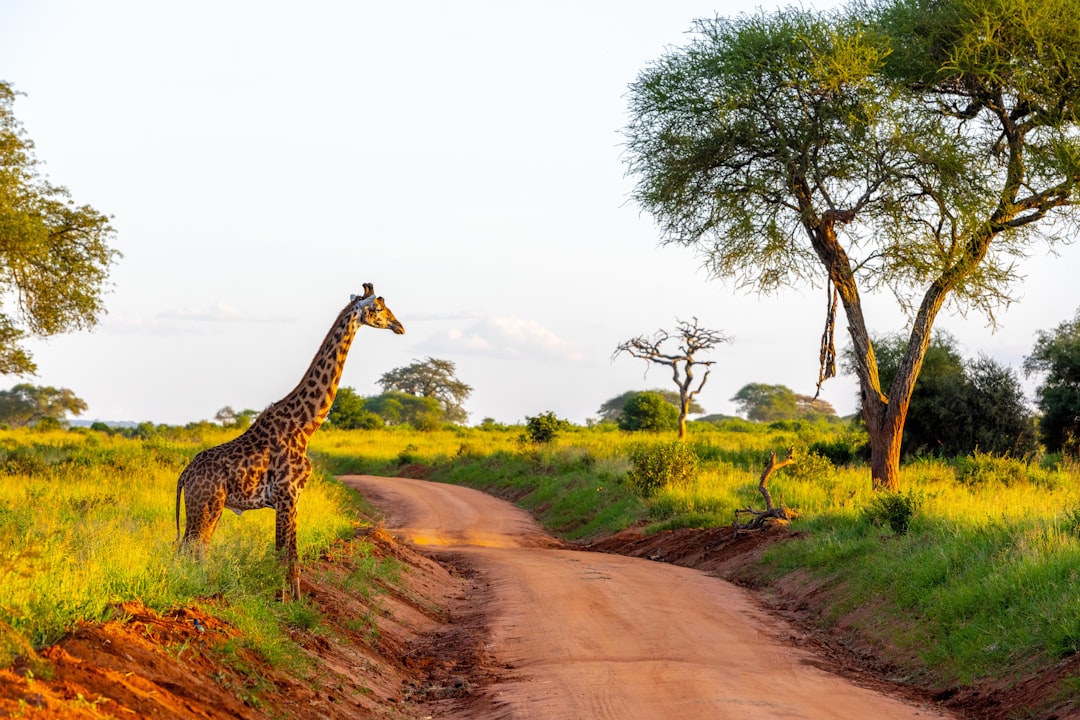
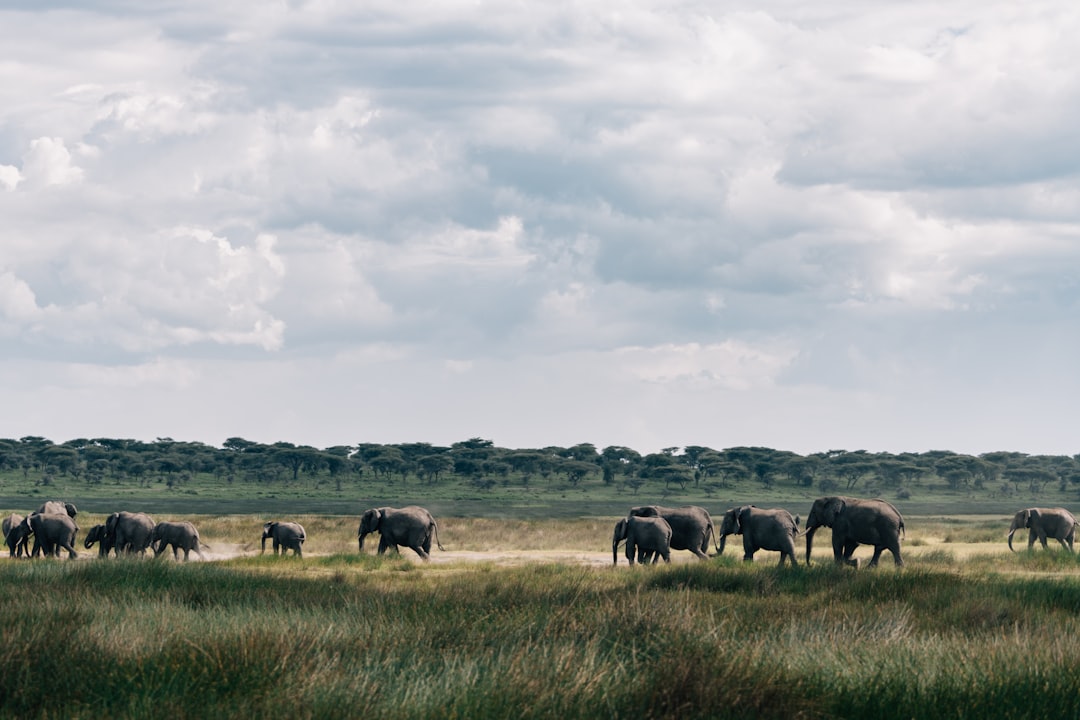
Green season safari, Serengeti: The arrival of rain transforms the Serengeti — short brown grass becomes tall and green, the sky fills with dramatic cloud formations, and the landscape becomes visually extraordinary for photography. Wildlife doesn’t disappear; it disperses. Resident game (lion, leopard, cheetah, elephant, giraffe) remains throughout the park. The Great Migration herds are moving northward and the calving season’s final phase is still visible in early March.
Mahale Mountains, Lake Tanganyika: The remote Mahale Mountains National Park on the eastern shore of Lake Tanganyika has one of Africa’s best chimpanzee tracking experiences. March rains make the forest lush and the chimps active. Access by light aircraft from Arusha via the Katavi airstrip. Only a handful of camps operate here; Greystoke Mahale is the definitive option.
Stonetown, Zanzibar: With beach conditions variable in March, Stonetown rewards focused exploration. The labyrinthine Arab-Swahili old city, the House of Wonders (Beit el-Ajaib), the Old Fort, the carved Zanzibari doors, and the night market (Forodhani Gardens) are all excellent. The fish market near the dhow harbor runs from 5–8am.
Ruaha National Park: Southern Tanzania’s Ruaha is less affected by the March rain onset than the north. The Ruaha River corridor remains active with elephant, buffalo, and predators well into March.
Selous (Nyerere) Game Reserve: Africa’s largest game reserve (since 2019 renamed Nyerere National Park) in southern Tanzania has excellent game viewing in March. The Rufiji River sustains hippo, crocodile, and large elephant concentrations. Walking safaris and boat safaris are available.
Festivals & Events
Mwaka Kogwa (Zanzibar New Year, variable): The Shirazi Persian New Year celebration in Makunduchi village on Zanzibar’s south coast — a traditional festival featuring symbolic male combat (sticks are used ritually, not viciously), boat burning, and community celebration. Usually in late July, but worth checking the year’s calendar.
Easter preparations (variable): March or April, Easter is a significant occasion in Tanzania’s Christian communities. Good Friday processions in Arusha and Dar es Salaam.
Practical Tips
March is Tanzania’s best month for budget safari. Major camp and lodge operators offer green season rates that can be 30–40% below peak season. Fly-in safari packages are particularly good value when the camps are incentivized to fill seats.
Some camps close entirely in April and May — check which properties are year-round versus seasonal before booking March stays.
Zanzibar in March: if Zanzibar beach is essential, target the first two weeks of March before the northeast monsoon fully transitions. The west coast (Kendwa, Nungwi) tends to be more stable in March than the east coast.
Kilimanjaro in March: conditions become less reliable. If the summit is the goal, January–February or June–October are safer months.
Who March Is For
Budget-first safari travelers willing to accept some rain in exchange for 30–40% price reductions. Experienced Africa travelers who value the green season’s dramatic skies and understated wildlife encounters. Chimpanzee tracking visitors who prefer Mahale’s remote intimacy over the Northern Circuit’s volume.
Plan your trip