Tanzania in September: Late Migration, Zanzibar Season Opens, and Shoulder Season Prices
Plan your trip
September is Tanzania’s hidden-value month. The Great Migration is still in the northern ecosystem, Mara crossings continue (with decreasing frequency), and Zanzibar’s east coast opens for its finest beach season as the southeast monsoon eases. Prices begin dropping from August’s peak. The landscape is still dry and excellent for game viewing. September offers much of what July–August delivers at slightly lower cost.
Weather & Conditions
Northern Serengeti: 18–28°C. Dry continues. Late-season crossings are still possible in early September before the herds begin their southward return.
Central and Southern Serengeti: Dry and excellent. Resident wildlife in prime viewing condition.
Ngorongoro: 15–23°C. Dry and clear. The crater in September is quieter than August and equally good.
Zanzibar: The southeast monsoon (kusi) eases significantly in September. The east coast (Paje, Jambiani) clears and improves. By mid-September, the east coast beaches are returning to good condition. September begins the best Zanzibar beach season that runs through November.
Mount Kilimanjaro: Still excellent conditions. September is the end of the prime dry season climbing window.
What to Do
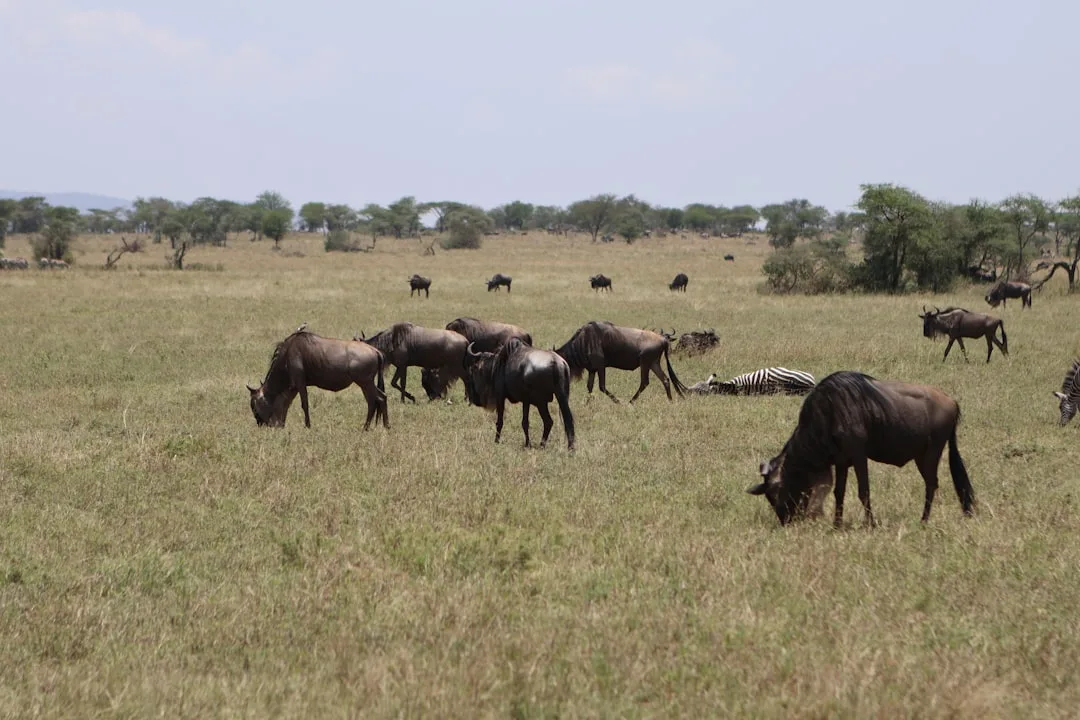
Northern Serengeti September crossings: The wildebeest begin their southward return in late September, reversing the July–August northward crossing direction. September crossings heading south can be as dramatic as the July northward ones. Stay at the same Kogatende-area camps; the river remains the focus. Book 4–6 weeks ahead for September (less than the 6-month requirement of July–August).
Zanzibar east coast beach season: Paje and Jambiani open for the best beach conditions of the year from September. The water is warm, the wind eases, and the snorkeling on the fringing reefs improves dramatically from the southeast monsoon period. Mnemba Atoll (off the northeast tip of Unguja) is excellent for snorkeling and diving in September.
Ngorongoro Crater at shoulder season pricing: September’s slight price decrease from August makes Ngorongoro particularly good value. The crater visit experience is identical to July–August (same wildlife, same scale) at potentially 10–15% lower accommodation cost.
Ruaha National Park: September is Ruaha’s peak. The Ruaha River is at its lowest — the last remaining water sources in the park — concentrating massive wildlife assemblages. Walking safaris in September in Ruaha are among the finest Africa experiences available.
Chimpanzee tracking, Gombe National Park: Jane Goodall’s research site on the shores of Lake Tanganyika is accessible by boat from Kigoma. September’s dry conditions make chimp tracking through the forest easier than the wet season. Daily permits are limited (only 6 visitors per chimpanzee community per day). Book through tour operators based in Kigoma.
Festivals & Events
Zanzibar Cultural Month (September): Various cultural events and performances in Stonetown through September, building toward the northeast monsoon season reopening.
Tanzania National Day (October 9 preparation events): Late September sees early preparations for the October 9 independence anniversary.
Practical Tips
September offers approximately 20% price reduction from August peak at most mid-range and high-end safari properties. The 6-month advance requirement relaxes to 2–3 months.
Zanzibar east coast specifically: Paje kite schools operate into October but September represents the seasonal shift from kite conditions to calmer beach conditions. Both the kite surfers and the snorkelers can coexist in September.
Chimpanzee tracking at Gombe requires advance coordination because of the limited access permits. Plan 4–6 weeks ahead and book through a Kigoma-based operator or the Tanzania National Parks online system.
Who September Is For
Value-seekers who want the dry season safari experience without August’s peak premium. Zanzibar beach travelers who specifically want the east coast’s best season. Ruaha National Park enthusiasts for whom walking safaris trump vehicle-only parks. And anyone who has realized that September in Tanzania is nearly as good as August at meaningfully lower prices.
Plan your trip