Two Weeks in Tanzania: The Ultimate 14-Day Itinerary
Plan your trip
Two weeks in Tanzania allows you to go beyond the Northern Circuit into Tanzania’s extraordinary southern parks — wilder, less visited, and home to some of Africa’s largest elephant and lion populations — before unwinding in Zanzibar.
Days 1–2 – Arusha & Kilimanjaro
Day 1: Arrive at Kilimanjaro International Airport. Arusha briefings, cultural market, and the Arusha National Park (the smallest national park in Tanzania, but home to flamingos at Momella Lakes, colobus monkeys, and Kilimanjaro views on clear mornings) for an afternoon walk.
Day 2: Drive to Materuni Village on the slopes of Kilimanjaro for a half-day hike through coffee and banana plantations to the Materuni Waterfall — excellent views of the Kilimanjaro massif and an insight into how the Chagga people have farmed these slopes for centuries. Traditional lunch with a local family.
Days 3–4 – Tarangire
Two days in Tarangire National Park allows deeper exploration — the Tarangire River, the Silale Swamp (spectacular birdlife), and the baobab woodland. The second day can include a walking safari with an armed Maasai guide — the most intimate wildlife encounter available in Tanzania.
Night: luxury tented camp inside or adjacent to the park.
Days 5–6 – Ngorongoro & Olmoti Crater
Day 5: Full descent into the Ngorongoro Crater — game drive with focus on black rhino tracking (the best sustained rhino sightings anywhere in East Africa) and predator behaviour around the Gorigor Swamp.
Day 6: Less-visited Olmoti Crater (2 hours walk from the crater rim) — a smaller, less developed crater with a beautiful waterfall and excellent buffalo and reedbuck. Traditional Maasai village visit in the afternoon — the Maasai Boma encampments around the Ngorongoro Conservation Area are living communities, not tourist constructs.
Days 7–9 – Serengeti
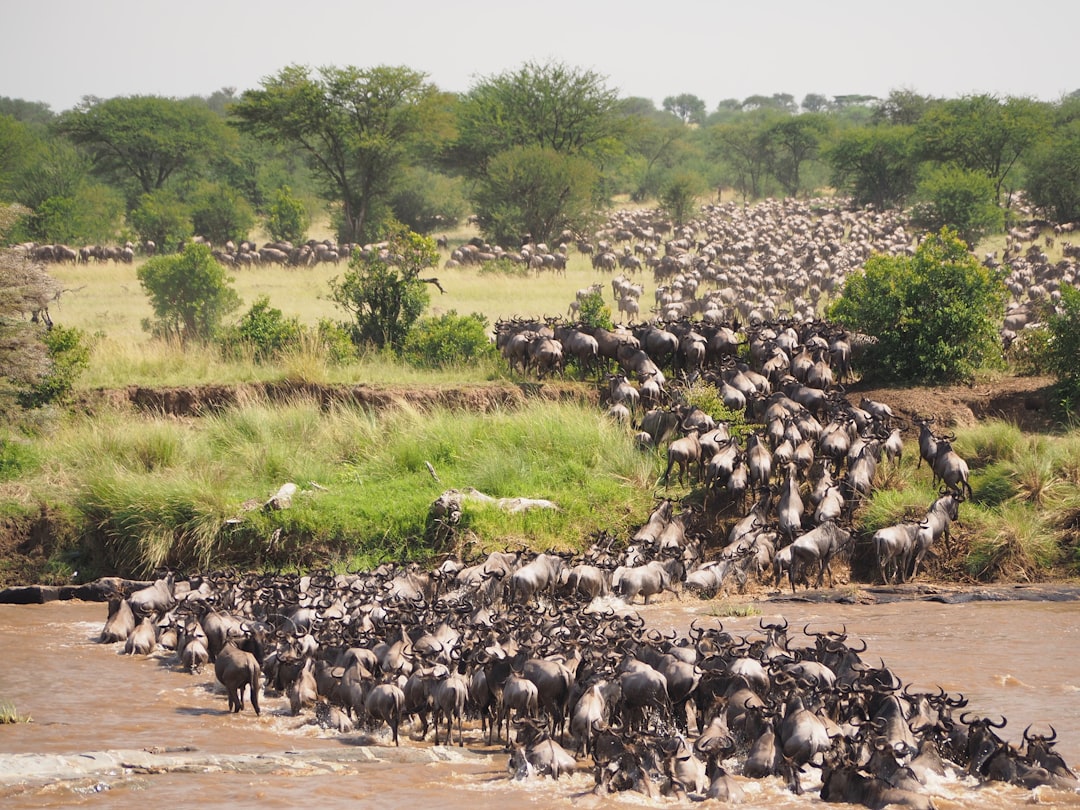
Three days in the Serengeti allows time to move between ecosystem zones. Day 7: arrive and explore central Serengeti (Seronera area) — the most reliable for year-round predator concentrations, with permanent water sources. Day 8: game drives across the vast plains. Day 9: early morning balloon safari over the grasslands (pre-booked), then transfer to Serengeti Grumeti area (western corridor — best for river crossings June–August).
Days 10–11 – Fly to Ruaha or Selous
Fly from Seronera (Serengeti airstrip) to the Ruaha National Park — Tanzania’s largest national park, home to Africa’s largest population of wild dogs, enormous elephant herds, and extremely dense lion populations. Ruaha is Tanzania’s best-kept secret — comparable wildlife to the Serengeti but with 10% of the visitors.
Two days of game drives here feel genuinely remote. Walking safaris possible. Night at a private camp on the Great Ruaha River.
Or: Selous Game Reserve (now partly renamed Nyerere National Park) — the world’s largest protected area, accessible by boat along the Rufiji River. Hippo and crocodile boat safaris, excellent bird list, and wild dog sightings.
Days 12–14 – Zanzibar
Fly to Zanzibar and decompress for three days.
Day 12: Stone Town — spice tour in the morning (cloves, vanilla, cinnamon, cardamom), followed by a walking tour of the winding streets with a local guide. Visit the Palace Museum (the former sultan’s palace), the House of Wonders (the first building in East Africa to have electricity), and the Old Fort (1699). Evening at Forodhani Gardens food market.
Day 13: Beach at Nungwi (north coast) or Kendwa — the clearest water and whitest sand. Dolphin swimming tour at Kizimkazi (southern tip — spinner dolphins live here year-round; ethics of swimming with them vary by operator — choose carefully).
Day 14: Snorkelling at Mnemba Atoll — a private island surrounded by a marine reserve with extraordinary coral and marine life (green sea turtles, reef sharks, hundreds of fish species). Return to Stone Town for evening flight.
Practical Notes
Fly between parks: Tanzania’s parks are large and spread across a vast country. Flying between Serengeti, Ruaha, and Zanzibar saves days of travel and is the logical choice for two-week itineraries.
Budget: Two weeks in Tanzania is expensive. Budget €4,000–8,000+ per person depending on accommodation grade. Safari costs are non-negotiable at the top end — conservation fees, park fees, and guide costs are high.
Booking lead time: 6–12 months for peak season (June–October). Top camps in Ruaha and private conservancies in Serengeti book out far in advance.
Yellow fever: Required certificate if arriving from endemic countries.
Plan your trip