First Time in Costa Rica? Everything You Need to Know
Plan your trip
Costa Rica has built the world’s most successful ecotourism model. A country that was 75% deforested in the 1980s now has 25% of its territory as protected national parks and reserves — and its tourism industry is built around this extraordinary natural recovery. First-timers are often surprised by how seriously it takes conservation.
The Basics
Capital: San José
Currency: Costa Rican Colón (CRC), though US dollars are accepted almost universally. €1 ≈ CRC 580; $1 ≈ CRC 520.
Language: Spanish. English widely spoken in tourist areas.
Time zone: CST (GMT-6). No daylight saving.
Driving: Right-hand side
Plugs: Type A and B (standard US flat pins)
Visa: US, EU, UK, Canada, Australia — visa-free for 90 days
”Pura Vida”
Pura Vida — literally “pure life” — is the Costa Rican national philosophy. It’s a response to “how are you?” (everything’s good), a goodbye, a thank you, and a worldview. It reflects a genuine national contentment and warmth. Costa Rica consistently ranks among the happiest countries on earth (Happy Planet Index) — something you’ll feel immediately in interactions with locals (Ticos).
Wildlife: What You Need to Know
Costa Rica has 5% of the world’s biodiversity in a country smaller than West Virginia. For wildlife watching:
Common species (most visitors see these):
- Three-toed and two-toed sloths: Common in Manuel Antonio, Tortuguero, and the Caribbean coast. Move at 0.15 mph — literally the world’s slowest mammal.
- Capuchin and howler monkeys: Howler monkeys produce the loudest noise of any land animal — don’t be startled.
- Toucans, parrots, and macaws: Scarlet macaws in Osa Peninsula; great green macaws in Tortuguero.
- Poison dart frogs: Tiny (2cm), bright red/blue/green, and extraordinary. Cloud forest and Caribbean lowlands.
Harder to see (worth trying):
- Resplendent quetzal: The holy grail of neotropical birding — found in Monteverde and San Gerardo de Dota. Best December–May.
- Jaguar: Present in Corcovado (Osa Peninsula) but rarely spotted. Camera traps confirm presence.
- Tapir: Large, shy, and forest-dwelling. Corcovado offers the best chance.
Wildlife watching rules:
- Never feed wildlife. It’s illegal and harms animals.
- Don’t pick up sloths or touch any wildlife.
- Use a licensed naturalist guide — the difference in wildlife encounters is enormous.
- Morning (5:30–9am) and evening (4–6pm) are peak wildlife activity times.
Transport: The 4WD Question
Do you need a 4WD? If you’re staying in San José, Arenal (on the paved road), or beach resorts with paved access — no. If you’re going to Monteverde (unpaved road, steep), Osa Peninsula (river crossings), or any remote lodge — yes, absolutely.
Rental cars: Book well in advance, especially in peak season (December–April). 4WDs are more expensive (~$80–120/day) but give complete flexibility.
Shuttles: Companies like Interbus and Grayline offer shared shuttle transfers between major tourist destinations (about $40–60 per person per leg). Comfortable, reliable, and no driving stress on mountain roads.
Public buses: Extensive and cheap (€1–8 for most intercity routes). Takes longer and requires more navigation. Fine for patient independent travellers.
Internal flights: Sansa Airlines flies to smaller destinations (Tortuguero, Quepos/Manuel Antonio, Puerto Jiménez) from San José. 20–45 min vs 4–7 hours by road. €60–120 one-way. Worth it for Osa Peninsula.
National Parks: Booking & Access
Costa Rica’s national parks are the country’s crown jewels — and many require advance booking.
Corcovado National Park (Osa Peninsula): Mandatory guided entry. Permits limited. Book through a licensed operator 6–8 weeks ahead for peak months.
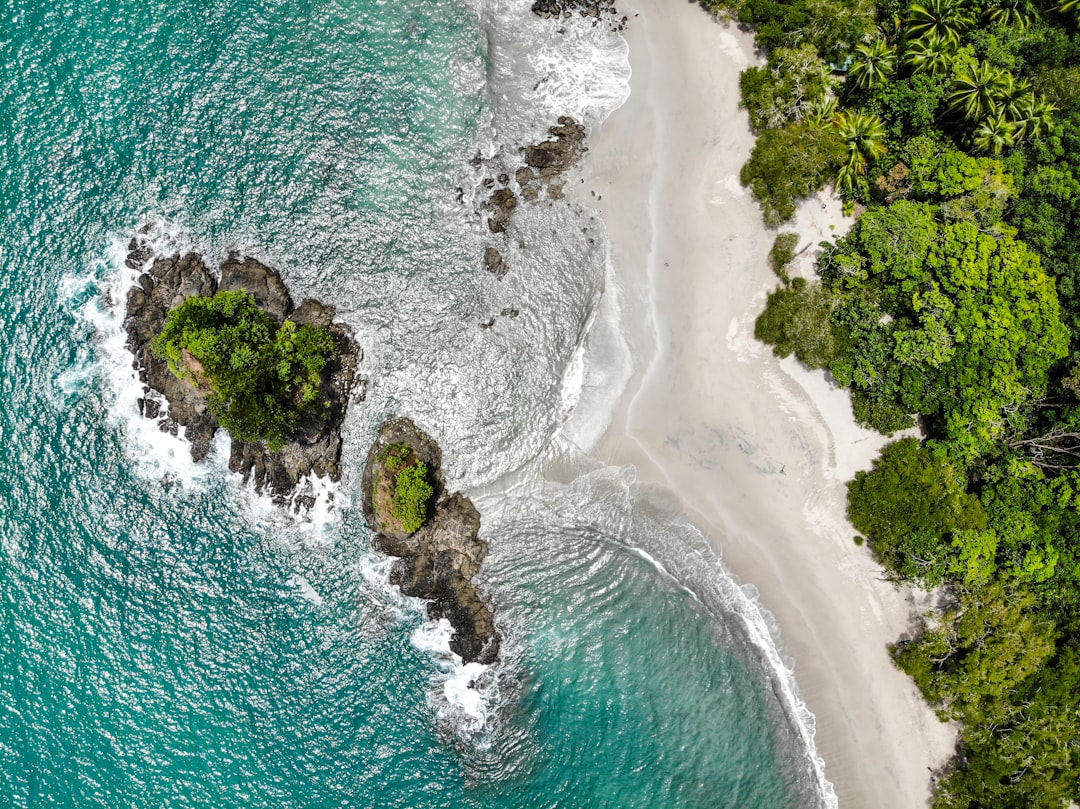
Manuel Antonio National Park: Daily visitor limit strictly enforced. Book tickets online in advance — they sell out during peak season.
Tortuguero: Turtle watch permits (July–October) require pre-booking with licensed guides.
Entry fees: National parks typically charge $18–20 for foreigners. Combined with guided tours, budget $50–100 for major park days.
Costs
Costa Rica is the most expensive country in Central America and more expensive than many people expect.
Budget: €50–70/day is tight but possible with hostels and local food.
Mid-range: €100–150/day is comfortable.
Comfortable: €200–300/day includes quality eco-lodges and guided tours.
The country’s tourist infrastructure is built for travellers willing to pay for quality — and the quality is genuinely excellent.
Practical Tips
- Travel insurance: Essential. Medical care in Costa Rica is good but expensive. Evacuation from remote areas (Osa, Tortuguero) adds up.
- Cash and USD: ATMs available in towns. Carry US dollars or colones for markets and small restaurants.
- Mosquitoes: Use DEET-based repellent, especially in lowland jungle areas. Dengue is present.
- Sun: Equatorial sun — SPF 50+ and a hat are essential.
- Shake your shoes: In jungle areas, scorpions and insects shelter in shoes left overnight — shake before putting on.
- Don’t miss a sunset: Costa Rica’s Pacific sunsets, with the possibility of the green flash over the ocean, are genuinely extraordinary.
Plan your trip