2 Weeks in Japan: The Itinerary That Actually Works
Plan your trip
There’s a version of the Japan trip that most people take. Tokyo, Shinkansen to Kyoto, quick stop in Osaka, back to Tokyo. Rush through Fushimi Inari at 10am with 800 other tourists. Take photos you’ve already seen a thousand times.
Then there’s the version you remember for the rest of your life.
This itinerary is the second kind. It keeps what’s genuinely unmissable — because some clichés are clichés for a reason — and then sends you somewhere most travelers don’t go. You’ll end the trip with the sense that you discovered something, not just checked it off.
Quick facts for 2026:
- Japan has introduced tourist taxes in several prefectures — factor ¥500–¥1,000/person/day
- The yen remains historically weak, making Japan exceptional value for USD and EUR holders
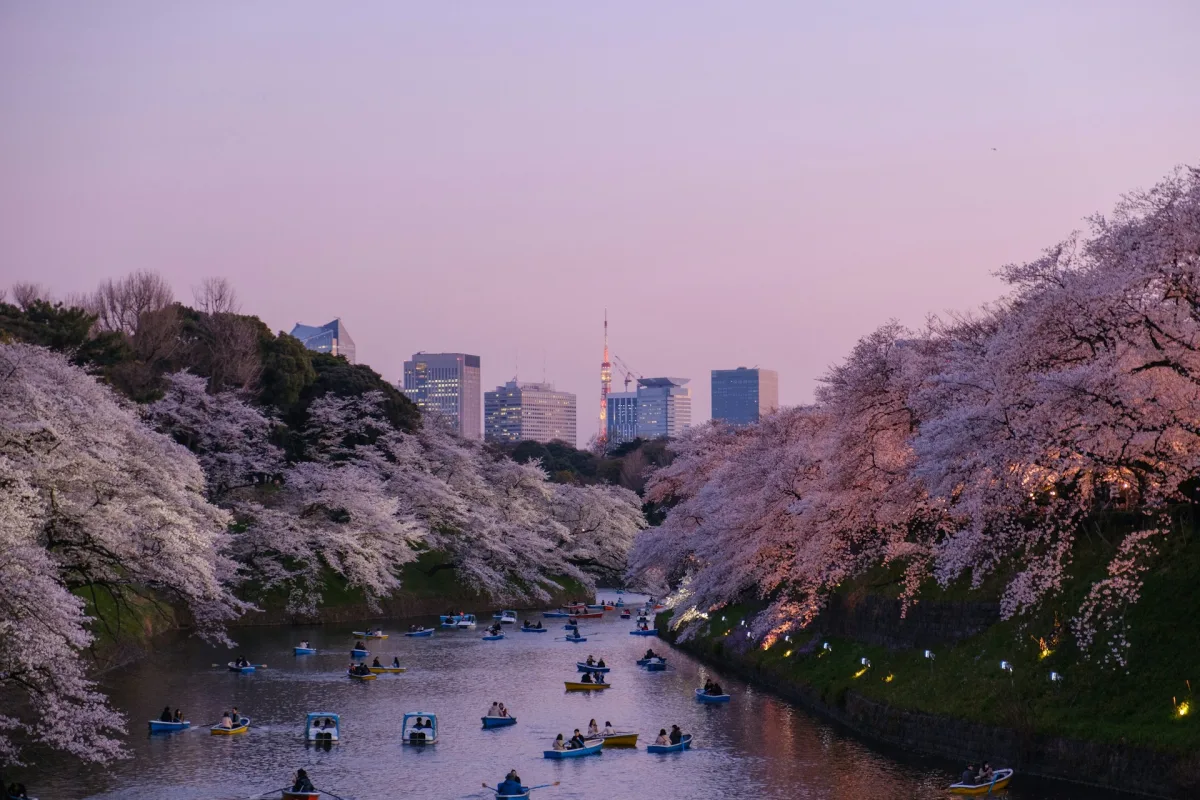
- Cherry blossom season (late March–early April) and autumn foliage (November) mean higher prices and bigger crowds — plan accordingly
Before You Land: What to Sort First
Getting a few things right before you arrive will save you hours of frustration on the ground.
JR Pass — If you’re traveling between multiple cities, buy a 14-day JR Pass before leaving your country. As of 2026, it costs around ¥70,000 ($465). It covers the Shinkansen (bullet train) between Tokyo, Kyoto, Osaka, Hiroshima and more. Do the math for your specific route — it’s worth it if you’re making 3+ long-distance trips. (Full breakdown in our Japan Rail Pass guide.)
IC Card (Suica or Pasmo) — Load money onto one of these rechargeable transit cards at any airport. Use it for every train, bus, subway and vending machine in the country. Don’t waste time buying individual tickets.
Pocket WiFi or eSIM — Non-negotiable. Pick up a pocket WiFi at the airport or activate a Japan eSIM before landing. You’ll be navigating constantly.
Cash — Japan is still largely cash-based outside big cities. ATMs at 7-Eleven and Japan Post reliably accept foreign cards. Withdraw ¥30,000–¥50,000 when you arrive and keep it topped up.
Day 1–4: Tokyo — Let It Overwhelm You First
Tokyo doesn’t ease you in. It hits you all at once — the scale, the density, the precision, the strangeness — and you spend the first couple of days just absorbing it.
That’s fine. That’s the point.
Day 1: Arrive, Recover, Wander
If you land at Narita or Haneda before noon, take the Narita Express or Keikyu Line to your hotel, check in, and resist the urge to immediately sightsee. You’re jet-lagged. Go for a slow walk instead.
Shinjuku at night is the ideal first-night Tokyo experience: the neon crush of Kabukicho, the memory of a standing ramen bar somewhere on a side street, the moment you realize this city operates on a frequency you don’t have a word for yet.
Day 2: East Tokyo — Asakusa to Akihabara
Start at Senso-ji before 8am. By 10am it’s shoulder-to-shoulder tourists; before 8 you’re sharing it with monks, early morning worshippers, and the smell of incense in cold air. This is not a trick — it genuinely changes the experience.
Walk the backstreets of Yanaka after. This is one of the few Tokyo neighborhoods that survived both the 1923 earthquake and the WWII firebombing. Low wooden houses, small shrines, a covered shopping street that feels frozen somewhere in the 1960s. It’s a glimpse of a Tokyo that’s mostly gone.
In the afternoon, pass through Akihabara — even if you don’t care about electronics or anime, it’s a sensory experience unlike anywhere else on earth.
Dinner: find a conveyor-belt sushi place (kaiten-zushi) for a low-pressure, delicious introduction to Japanese food culture.
Day 3: West Tokyo — Harajuku, Shibuya, Shimokitazawa
Yoyogi Park is where Tokyo breathes on weekends. Families, runners, picnickers, occasional street performers — it’s the casual, unhurried side of the city that tourist itineraries often skip.
Meiji Shrine sits inside the park. Walk the forested approach slowly. The contrast between the cedar canopy and the city you just came from is disorienting in the best way.
Harajuku’s Takeshita Street is iconic for a reason. Don’t let the crowds stop you — just go early and embrace the chaos.
By afternoon you’re ready for Shibuya Crossing — stand on the second-floor balcony of the Starbucks across the street for the overhead view. Then get onto the crossing itself and feel the organized chaos from inside it.
End the day in Shimokitazawa — Tokyo’s indie neighborhood, all vintage clothing shops, jazz bars and tiny live music venues. This is where actual young Tokyoites spend their evenings.
Day 4: Tokyo Neighborhoods + Teamlab
Choose your vibe for Day 4:
Option A (culture): Spend the morning at the Tokyo National Museum in Ueno — one of the world’s great collections of Japanese art and history. Afternoon in Nezu or Kagurazaka, two neighborhoods that retain an older Tokyo character.
Option B (contemporary): Book teamLab Borderless in advance — it sells out weeks ahead. It’s a full-building immersive digital art experience that photographs badly and must be lived. Then explore Odaiba for the surreal experience of standing in front of a life-size Gundam robot by the bay.
Day 5–7: Nikko or Hakone — The First Escape
Most itineraries rush straight from Tokyo to Kyoto. Resist this. Japan’s power isn’t just in its cities.
Option A: Hakone (2 nights) — Mountains, Onsen, Fuji Views
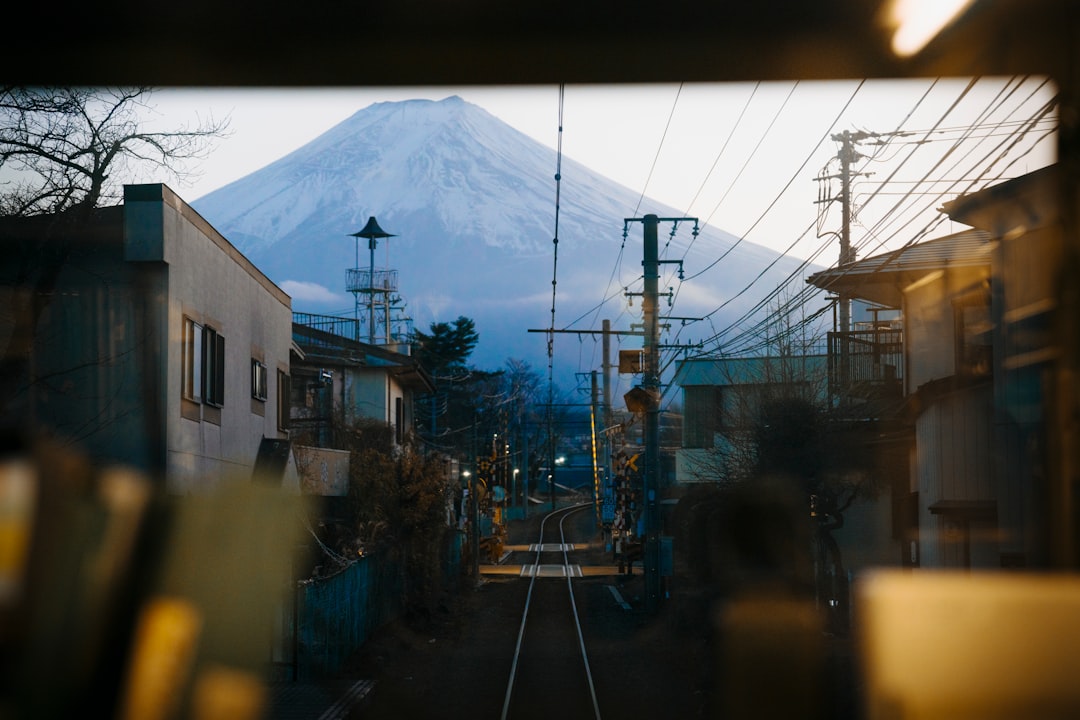
Hakone sits in a volcanic caldera 90 minutes from Tokyo. From the right spot on a clear morning, you see Mount Fuji across the lake. When clouds cover the mountain — which is most of the time — you’re surrounded by hot springs, cedar forests and ryokan breakfasts that make you rethink what breakfast can be.
How to do it right:
- Stay at a ryokan with a private onsen. Budget ¥20,000–¥35,000/night per person including dinner and breakfast — expensive, but the experience of eating a 12-course kaiseki dinner in your room then soaking in a private hot spring in the dark is one of those things you’ll talk about forever.
- Use the Hakone Free Pass for transport — it covers the scenic Romancecar train, gondola over the sulfurous volcanic vents at Owakudani, and the Lake Ashi boat.
- Don’t force the Fuji view. Check the weather, go to Owakudani at dawn if you can, and let it happen or not happen. Chasing it frantically misses the point.
Option B: Nikko (1–2 nights) — Ornate Shrines in Mountain Forest
North of Tokyo, Nikko is where Tokugawa Ieyasu — the shogun who unified Japan — is buried. The shrine complex (Tosho-gu) is Japan’s most elaborately decorated: lacquerwork, gold leaf, the famous three wise monkeys. Set against cedar-forested mountains, it has a weight to it that the descriptions don’t quite capture.
Nikko makes more sense in autumn (the foliage is extraordinary) or as a day trip if you’re pressed for time.
Day 8–10: Kyoto — Slow Down Here
You can rush Kyoto. Many people do. They see Fushimi Inari (crowded), Kinkaku-ji (crowded), Arashiyama bamboo grove (very crowded), and leave feeling like they saw something but aren’t sure what.
The alternative: stay three nights, wake up early, walk slowly.
What Kyoto Actually Is
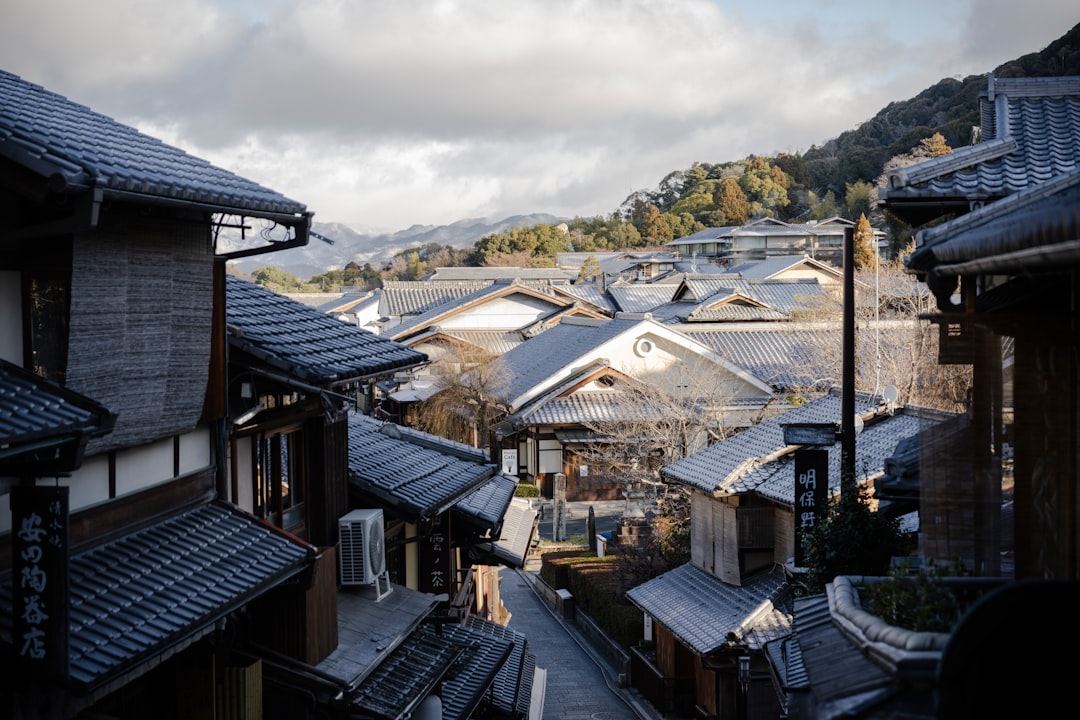
Kyoto was Japan’s imperial capital for over a thousand years. There are 1,600 Buddhist temples and 400 Shinto shrines within the city limits. The Gion district preserves the architecture and culture of the old city. Geiko (Kyoto’s term for geisha) still walk to appointments in the evening.
It rewards patience. The third morning in Kyoto is better than the first.
Day 8: Arrive + Evening in Gion
Take the Shinkansen from Tokyo (2h15m with JR Pass). Check in and walk to Gion in the late afternoon. Hanamikoji Street at dusk is genuinely beautiful. If you’re lucky — and respectful — you might see a geiko or maiko.
Important: don’t photograph or stop geiko on the street. It’s considered deeply intrusive and has led to growing local resentment toward tourists. Watch from a respectful distance.
Dinner in a small Kyoto restaurant. Obanzai (Kyoto-style small dishes) is the local cuisine — understated, seasonal, extraordinary.
Day 9: Temples + Fushimi Inari at 6am
Wake up at 5am. This is not optional.
At 6am, Fushimi Inari — the shrine of thousands of orange torii gates winding up a mountain — is yours. You’ll share it with maybe a dozen other people, morning light cutting through the gates, foxes (the shrine’s messengers) occasionally crossing the path. By 10am, it’s 4,000 tourists. The difference is total.
Spend the afternoon at Ryoan-ji (the famous Zen rock garden) and Kinkaku-ji (the Golden Pavilion). Yes, they’re touristy. They’re also undeniably spectacular. Go around 2pm when the tour buses start clearing.
Evening: Arashiyama. The bamboo grove is best in early morning but the entire Arashiyama district — the Tenryu-ji garden, the Oi River at dusk, the monkey park across the bridge — is worth a full evening.
Day 10: Philosopher’s Path + Nishiki Market
The Philosopher’s Path is a 2km canal-side walk connecting two temple districts. In cherry blossom season it’s covered in pink. Any time of year, it’s quiet, beautiful and lined with small shrines and cafés. Walk it slowly.
Nishiki Market — a covered market street nicknamed “Kyoto’s kitchen” — is where locals and chefs buy food. Try everything you don’t recognize. Pickled vegetables, fresh tofu, grilled skewers, matcha everything.
Day 11: Nara — Deer and Ancient Buddhism
An hour from Kyoto, Nara was Japan’s first permanent capital (710 AD). Its main park is home to over 1,000 semi-wild deer considered sacred messengers. They bow to receive shika senbei (deer crackers) sold throughout the park. This is not staged — they genuinely bow. It’s one of those travel moments you can’t quite explain afterward.
Todai-ji temple houses the largest bronze Buddha in Japan, and possibly the world — 15 meters tall, in a wooden hall that’s itself one of the largest wooden structures ever built.
Do Nara as a day trip from Kyoto. Arrive by 8am (the deer are most active in the morning), spend 5–6 hours, and return for dinner.
Day 12–13: Kanazawa — The Discovery
This is where most itineraries stop. Osaka is next on the standard route — and Osaka is great — but if you have two more days and want to understand why Japan is singular, go to Kanazawa instead.
On Japan’s Sea of Japan coast, Kanazawa was one of Japan’s richest feudal domains. It escaped bombing during WWII. As a result, it has something vanishingly rare in Japan: an intact old city. The samurai district, the geisha districts, the castle gardens — all of it still there, not reconstructed.
Kenroku-en is considered one of Japan’s three great gardens. In early spring, the snow-covered pine trees with their wooden support structures are one of the most beautiful things in the country.
The Higashi Chaya geisha district is quieter and more authentic than Kyoto’s — narrow lanes of wooden teahouses where geisha entertain clients behind closed doors, gold leaf workshops, sake bars that open onto the street.
The 21st Century Museum of Contemporary Art is a circular building where you can walk through the walls — the architecture is the art.
Kanazawa makes you feel like you found something. That’s the right feeling.
Getting there
Kanazawa is on the Hokuriku Shinkansen (2.5h from Tokyo, covered by JR Pass). Base yourself here for 2 nights.
Day 14: Return to Tokyo
The Shinkansen back to Tokyo takes 2.5 hours. Build in time for the airport — Narita requires arriving 3 hours early for international flights.
Spend the last morning in Yanaka again if you have time — the neighborhood you barely touched on Day 2, the one that feels like the other Tokyo. Buy something small in the covered market. Eat a last bowl of ramen standing at a counter somewhere.
What This Trip Costs (2026 estimates)
| Category | Budget traveler | Mid-range | Comfort |
|---|---|---|---|
| Accommodation (per night) | ¥4,000–8,000 | ¥12,000–20,000 | ¥25,000–50,000+ |
| Food (per day) | ¥2,000–3,000 | ¥5,000–8,000 | ¥12,000+ |
| JR Pass (14 days) | ¥70,000 | ¥70,000 | ¥70,000 |
| Activities | ¥1,000–2,000/day | ¥3,000–5,000/day | Unlimited |
| Total 14 days | ~¥130,000 ($870) | ~¥250,000 ($1,650) | ¥400,000+ |
At the current exchange rate (~150 JPY/USD), Japan remains exceptional value for Western travelers.
The One Thing Most Guides Don’t Tell You
Japan will slow you down — if you let it.
The vending machine coffee at 6am on the way to a temple. The convenience store that has somehow become your favorite restaurant. The moment a stranger helps you figure out the train system and refuses to let you thank them properly. The ryokan breakfast where you realize you’ve been eating wrong your whole life.
The itinerary is the structure. The Japan that stays with you is found in the gaps.
Plan your trip