New Year in Japan (Oshogatsu): The Most Important Holiday
Plan your trip
Oshōgatsu (お正月) — the Japanese New Year — is the country’s most significant national holiday, extending from December 31 through January 3 (with many businesses closed through January 7, the matsunouchi period). Unlike most New Year celebrations worldwide, Japan’s is quiet, family-centered, and embedded in Shinto-Buddhist religious practice — the primary activity is visiting a shrine or temple to pray for the new year, a practice observed by the majority of the population.
For visitors, the New Year period offers one of Japan’s most authentic cultural experiences: shrines packed with millions of worshippers in traditional dress, amazake (sweet rice wine) served outdoors in the cold, the sound of temple bells counting down at midnight, and the specific atmosphere of a country simultaneously at rest and in ceremony.
The Timeline
December 31 — Ōmisoka (大晦夜)
The last day of the year. Japanese families spend it cleaning the house (the tradition of ōsōji, or “great cleaning,” removes the old year’s dirt), preparing osechi (New Year food), and gathering.
Joya no Kane (除夜の鐘): At Buddhist temples across Japan, the temple bell is rung 108 times beginning just before midnight. The 108 rings correspond to the 108 worldly desires in Buddhist teaching — each ring purifies one of them. The most famous ringing is at Chion-in in Kyoto (the largest temple bell in Japan, requiring 17 monks to ring) and at Tōdai-ji in Nara.
Toshikoshi Soba (年越しそば): “Year-crossing noodles” — a bowl of soba eaten on New Year’s Eve, a tradition meaning to cross from one year to the next. The long noodles represent longevity; eating them symbolizes the hope for a long life in the new year. Served in a simple broth, typically with kamaboko (fish cake) and scallion.
NHK’s Kōhaku Uta Gassen: The country’s biggest annual television broadcast — a 4-hour song competition where major Japanese music acts perform, watched by approximately 40% of the country simultaneously.
January 1 — Gantan (元旦)
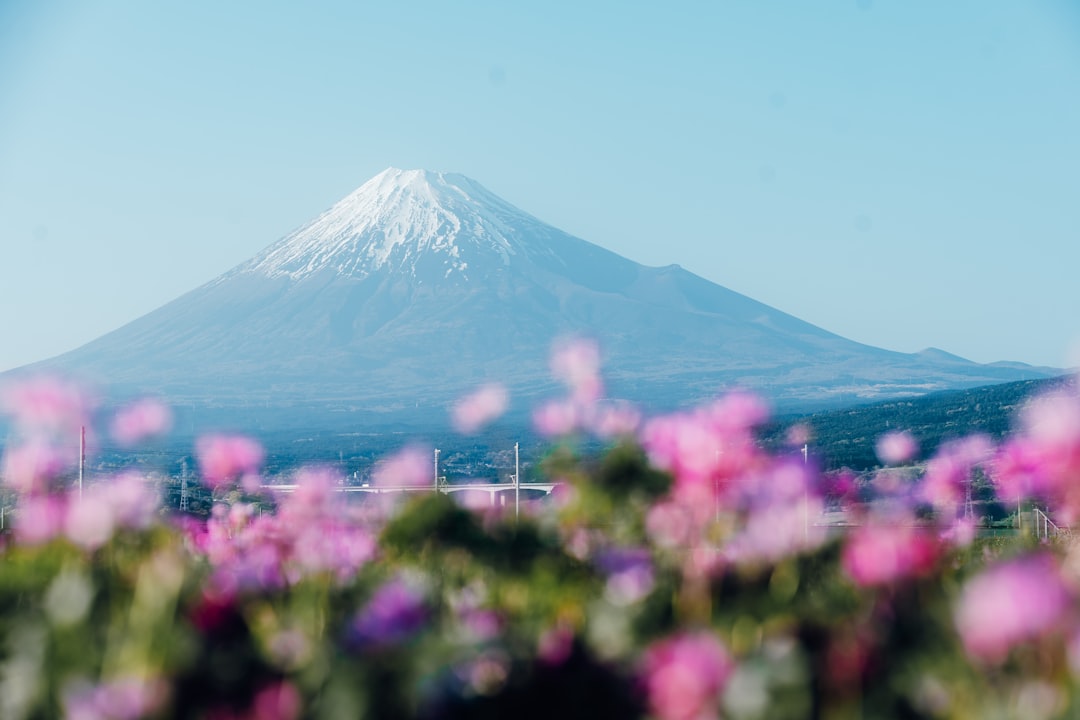
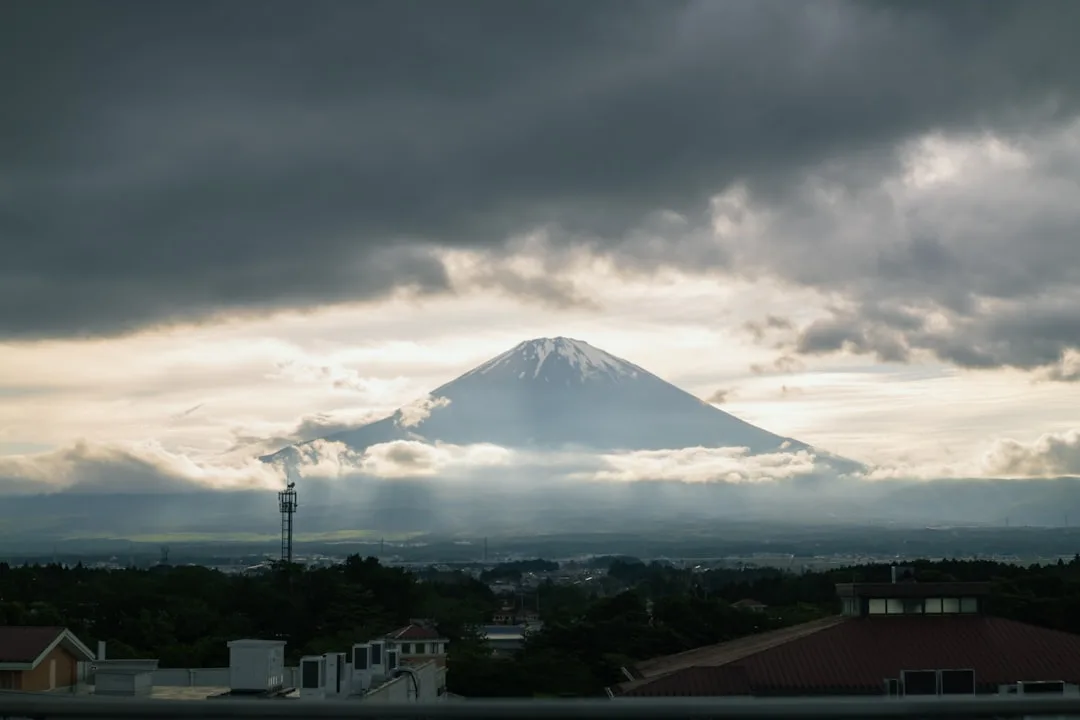
The first dawn of the new year. The hatsuhinode (first sunrise) is watched from high points, coastal cliffs, and the summits of mountains by those who made the effort. Mount Fuji’s first sunrise is the most celebrated.
Ozōni (お雑煮): New Year’s morning soup — a warm broth with mochi (pounded rice cakes) in different preparations depending on region. The Tokyo style uses a clear chicken-dashi broth with flat mochi; the Kyoto style uses white miso broth with round mochi; the regional variations are as numerous as the country’s local traditions.
Osechi Ryōri (おせち料理): The New Year food — lacquered box sets of preserved foods, each with symbolic meaning, prepared in advance to last through the holiday without cooking. The boxes contain kazunoko (herring roe — symbolizing fertility), kuromame (sweet black beans — industry and good health), datemaki (sweet rolled omelette), kobumaki (kombu seaweed rolls — joy), gomame (sweet dried sardines — agricultural abundance), and dozens of other items varying by family and region.
Osechi boxes are available pre-assembled from department stores and convenience stores; the most elaborate custom boxes from traditional restaurants cost ¥30,000–100,000.
Hatsumōde (初詣) — First Shrine/Temple Visit
The tradition of visiting a shrine or temple in the first three days of the new year (ideally the first day) to pray for blessings in the coming year. It is the most widely observed religious practice in Japan — approximately 80–90 million people visit shrines or temples during the first three days, making it the largest religious event in the world by participant count.
Major Hatsumōde destinations:
- Meiji Jingū (明治神宮), Tokyo: The largest Hatsumōde site in Japan — 3 million visitors in the first three days. The line to reach the main hall can take 2–3 hours.
- Naritasan Shinshōji (成田山新勝寺), Chiba: The most popular Buddhist temple for Hatsumōde, with 3+ million visitors. Accessible from Narita Airport — an obvious combination for arriving New Year visitors.
- Naritasan Kawasaki Daishi (川崎大師), Kanagawa: Another major pilgrimage site.
- Fushimi Inari (伏見稲荷), Kyoto: Open 24 hours — the famous torii-gate mountain gets its own Hatsumōde crowds; the pre-dawn first-of-year walk through the tunnels has a specific spiritual atmosphere.
- Atsuta Jingū (熱田神宮), Nagoya: One of Japan’s most important shrines; 2+ million Hatsumōde visitors.
What happens at Hatsumōde:
- Purify hands at the temizuya water basin
- Approach the main hall, bow, toss a coin offering
- Ring the bell (if present) or clap twice to summon the deity’s attention
- Bow twice, clap twice, bow once — the standard Shinto prayer sequence
- Purchase omamori (protective charms), omikuji (fortune lots), and ema (wooden plaques for writing wishes)
Omikuji (fortune lots): Paper fortunes purchased at the shrine — ranging from daikichi (great luck) to kyo (bad luck), with instructions for specific areas of life (love, work, health). Bad fortunes are traditionally tied to pine branches at the shrine to leave the bad luck behind.
Practical Notes for New Year Travel
What’s Open and Closed
Open: Shrines and temples (24 hours on January 1). Convenience stores. Hotels. Some restaurants near major shrines.
Closed: Most restaurants and shops (December 31 and January 1–3). Department stores (typically open from January 2, sometimes with special New Year sales). Banks and offices (until January 4 or later).
The depachika New Year opening: Major department stores’ food halls (depachika) open with fanfare on January 2 — the New Year sales include fukubukuro (lucky bags: sealed bags of merchandise sold at substantial discounts) that draw enormous queues from early morning.
Transport
Japan’s transport network operates through New Year, but:
- Shinkansen is heavily booked December 28–31 and January 2–5 (return travel)
- Airport access from Narita and Haneda is normal
- Local trains and subway operate on a modified holiday schedule
Accommodation
Hotels are heavily booked in the major cities; ryokan particularly expensive and full through December 30 – January 3. Book 3–4 months in advance if visiting during this period.
Weather
Early January in most of Japan: Tokyo 3–8°C, Kyoto 2–7°C. Cold, mostly dry, occasionally light snow. Full winter clothing necessary.
The Best New Year Experience for Visitors
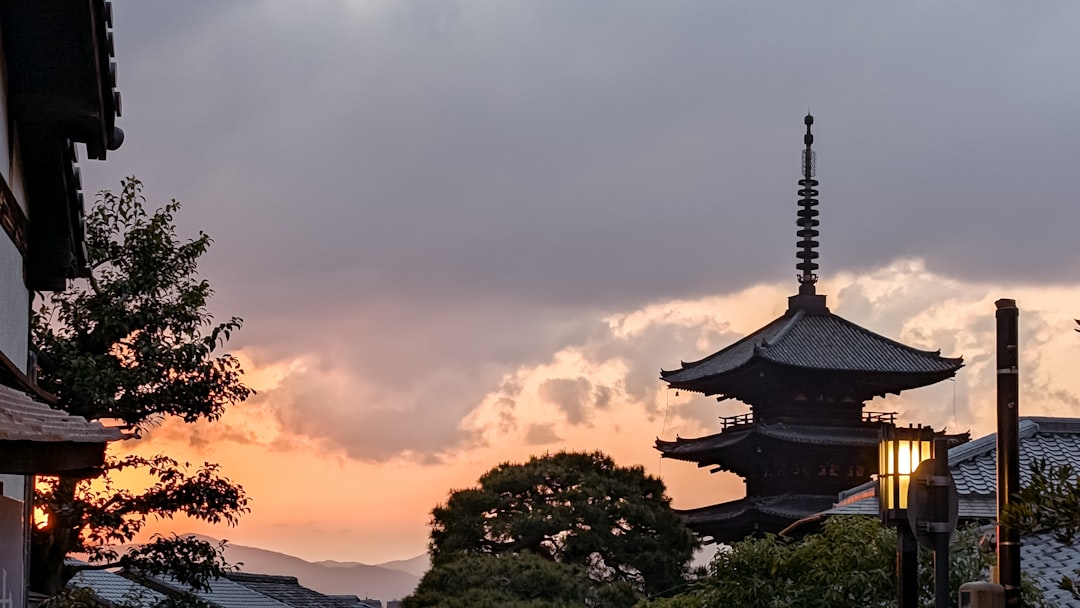
Kyoto: The combination of Joya no Kane at Chion-in at midnight, a dawn Hatsumōde at Fushimi Inari as the first-of-year crowds file through the torii tunnels, and a New Year morning walk through the historic quarters with almost no crowds (everyone is at the shrines or at home) is the most complete experience.
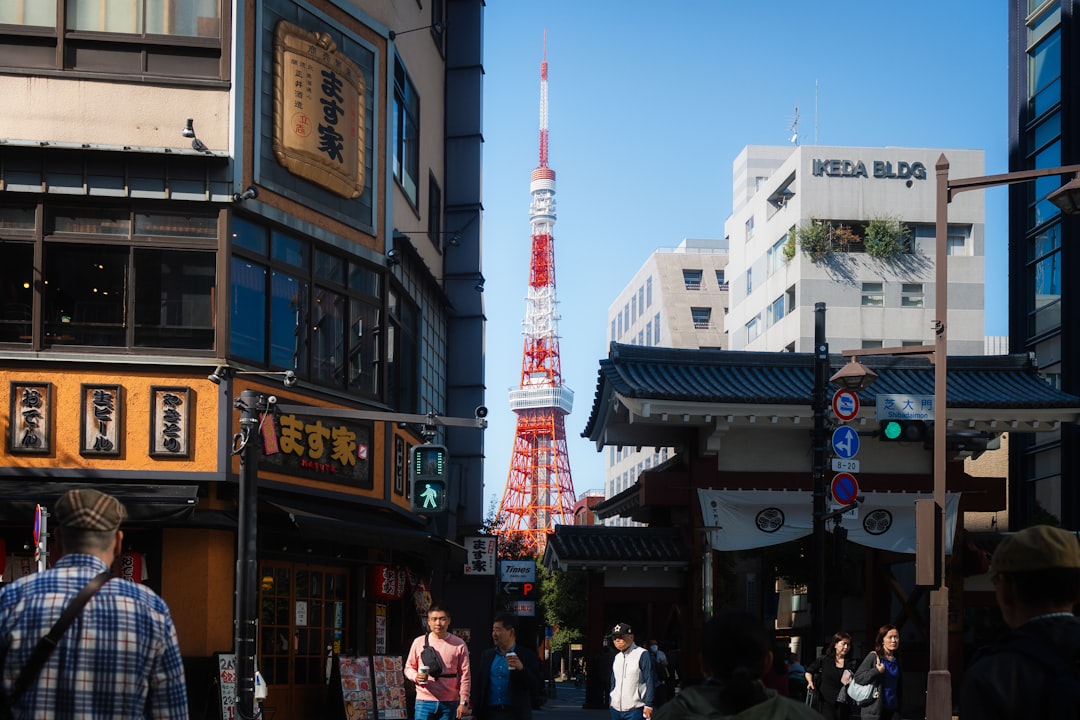
Tokyo: Meiji Jingū Hatsumōde is the iconic experience — the massive crowd, the line, and the atmosphere of 3 million people in the same forest at the same time is overwhelming in a specifically Japanese way.
Rural: New Year at a ryokan in an onsen town — Kinosaki, Kusatsu, Ginzan — with the osechi boxes delivered to your room and the public baths open and warm, is the most comfortable way to experience the holiday.
Plan your trip