First Time in Pakistan? Everything You Need to Know
Plan your trip
More travellers have visited Pakistan in the past five years than in the previous two decades combined. Those who go almost universally report the same thing: extraordinary landscapes, unmatched hospitality, and a country that bears no resemblance to its media image. It is one of the most rewarding destinations on earth — for those who go informed.
The Basics
Capital: Islamabad
Currency: Pakistani Rupee (PKR). €1 ≈ PKR 310.
Language: Urdu (official national). English widely spoken in cities and educated circles. Regional languages: Punjabi, Sindhi, Pashto, Balochi, Wakhi, and many more.
Time zone: PKT (GMT+5)
Driving: Left-hand side
Plugs: Type C, D, G — bring a universal adapter
Visa: Pakistan e-Visa available online for most nationalities. Processing: 2–7 days. Cost: €20–40. Apply at visa.nadra.gov.pk.
The Safety Question
This is the first thing everyone asks. The honest answer:
Pakistan’s security situation varies dramatically by region. The northwest tribal border areas (FATA/KPK bordering Afghanistan), Balochistan, and parts of Karachi require serious caution and are not recommended for independent tourist travel.
Islamabad, Lahore, Punjab, and the KKH/Northern Areas (Gilgit-Baltistan, Hunza, Swat) are generally considered safe for tourists, with millions of visitors annually (mostly Pakistani domestic tourists). Foreign visitors are rare enough to be a novelty — which often means extraordinary hospitality.
Always check your government’s current travel advisory, which is updated regularly and distinguishes between regions.
Practical safety: Register with your embassy. Share your itinerary with family. Travel with a reputable local guide in the mountains. Use licensed transport. Trust your instincts.
The Hospitality
Pakistani hospitality is one of the world’s most extraordinary phenomena. You will be invited for chai (tea) by strangers on the street. Families will invite you for meals. People will go significantly out of their way to help. This is not performance — it’s a deep cultural value of honouring guests.
How to respond: Accept chai when offered (it’s rude to refuse without good reason). When invited for a meal, try to accept. Bring small gifts from your home country if visiting homes (chocolates, postcards, small souvenirs are appreciated). Learn “asante” — wrong country — learn “shukriya” (thank you in Urdu) and “meherbani” (kindness/please).
This hospitality is the single most consistent comment from every traveller who visits Pakistan.
What to See
Lahore: The greatest concentration of Mughal architecture in South Asia — Lahore Fort, Badshahi Mosque, Wazir Khan Mosque, and Shalimar Gardens are all UNESCO-listed or eligible. Plus one of the subcontinent’s greatest food cities.
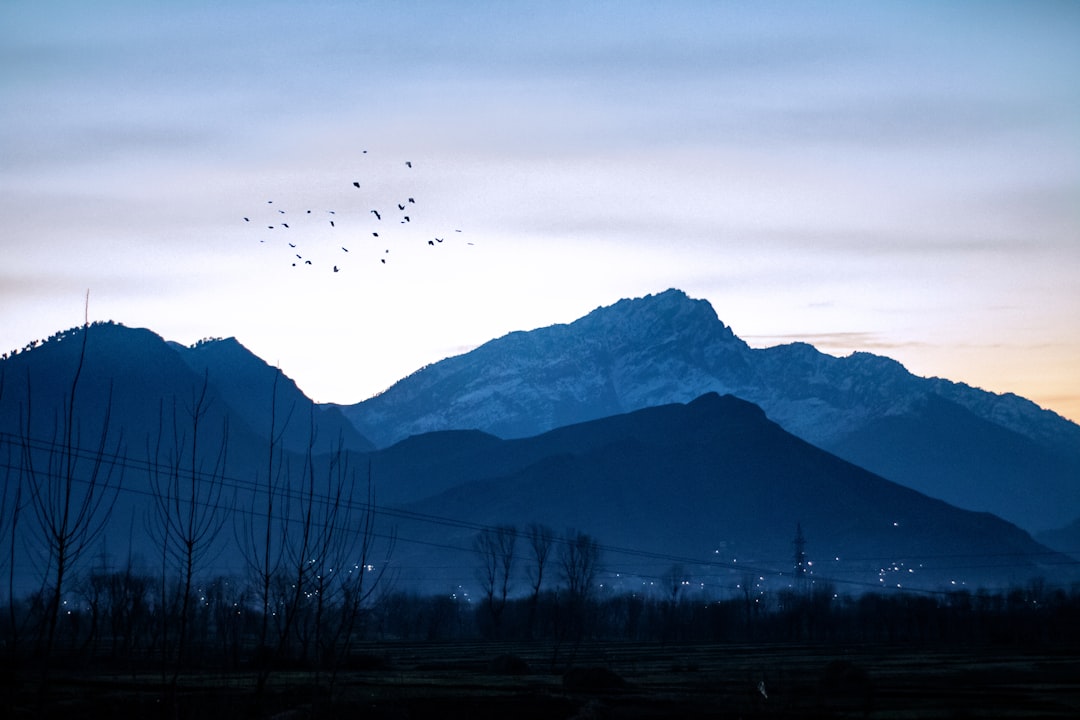
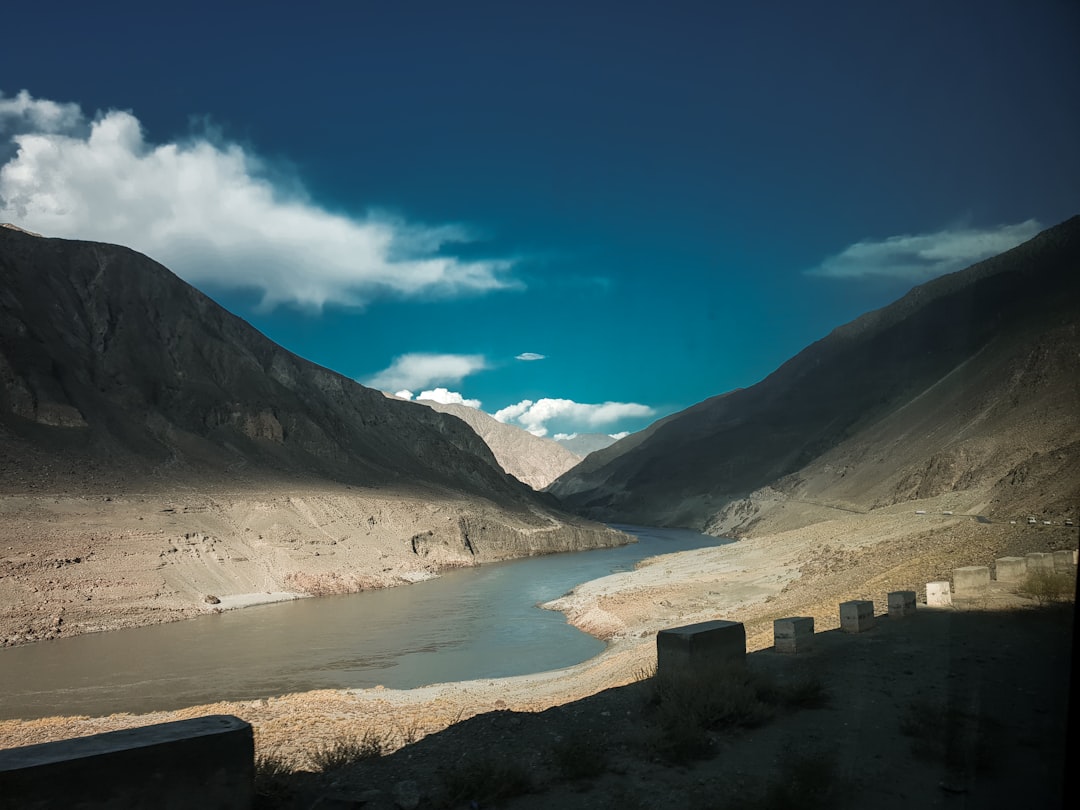
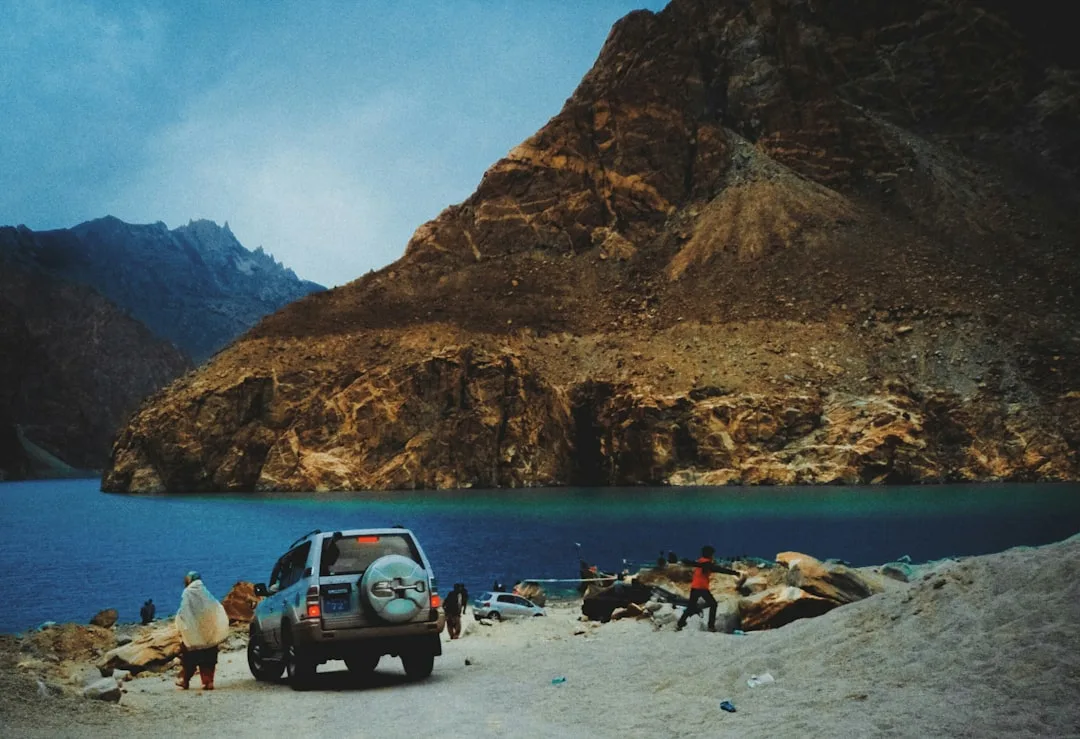
Karakoram Highway: The 1,300km road from Islamabad to the Chinese border, passing through some of the world’s most dramatic mountain scenery. The Karakoram, Himalaya, and Hindu Kush all meet here.
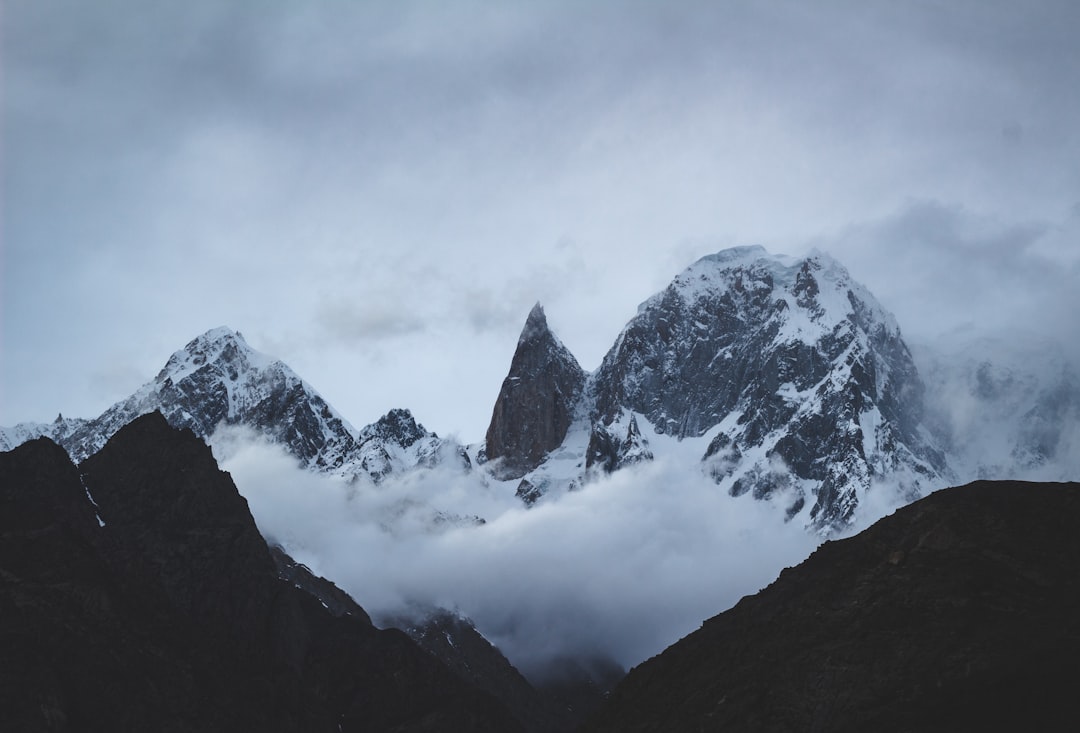
Hunza Valley: A valley of apricot orchards and impossible mountain views — Rakaposhi, Ultar Sar, and Diran rising above green fields. The Hunzai people have maintained a remarkable mountain civilisation for centuries.
Fairy Meadows: An alpine meadow beneath Nanga Parbat (8,126m) accessible by a terrifying jeep road and a 3-hour hike. The view is one of the most extraordinary on earth.
Taxila: South Asia’s most important Buddhist archaeological site — a UNESCO World Heritage city spanning 1,000 years of Gandharan civilisation.
Food
Pakistani food is outstanding and completely underrepresented in the global food conversation.
Karahi: The defining Pakistani dish — a tomato-based curry cooked in a cast-iron wok (karahi) with various meats. Lahori karahi (green chilli, less tomato) vs Peshawari karahi (simpler, beef-forward). Both extraordinary.
Nihari: Slow-cooked beef shank stew, cooked overnight, eaten for breakfast. Delhi and Lahore are the centres of nihari culture. Rich, deeply spiced, life-changing.
Chapli kebab: Peshawari flat meat patties with coriander, pomegranate seeds, and green chilli. The best kebab in the subcontinent, many argue.
Daal (lentil dishes): Pakistan’s everyday food, and at its best extraordinary — daal makhani, daal fry, and the simple village daal with fresh roti.
Street chai: Pakistan runs on tea — milky, sweet, strong. From mountain chai stalls to city karak chai, it’s served everywhere.
Practical Tips
Women travellers: Female solo travellers report mostly positive experiences, especially with the support of a local guide or guesthouse network. Dress conservatively (cover arms and legs, a dupatta/scarf for the head in religious areas). Avoid walking alone at night in unfamiliar areas.
Photography: Ask before photographing individuals, especially women. Military and security installations — do not photograph under any circumstances.
Religion: Pakistan is a Muslim-majority country (96%). During Ramadan (dates vary), avoid eating, drinking, or smoking in public during daylight hours out of respect. Many restaurants operate on reduced hours.
Dress: Conservative dress throughout. Men: long trousers and a collared shirt is respectful. Women: shalwar kameez (available cheaply everywhere) is ideal — practical, appropriate, and appreciated by locals.
Money: Carry PKR cash. ATMs in major cities reliable; unreliable or absent in the northern mountains. The bank dollar/euro rate is better than money changers.
SIM card: Jazz, Zong, and Telenor all offer tourist SIMs at airports. 4G works in cities and along the KKH as far as Hunza; sparse above.
Plan your trip