One Week in Pakistan: The Perfect 7-Day Itinerary
Plan your trip
Pakistan is one of the world’s most misunderstood travel destinations — and, for those who go, one of the most rewarding. The hospitality is extraordinary, the landscapes rank among the finest on earth, and the Mughal heritage of Lahore rivals anything in South Asia. Seven days gives you the city, the highway, and the mountains.
Day 1 – Lahore: Old City
Arrive in Lahore — Pakistan’s cultural capital and the heart of the Mughal Empire in South Asia. Start at the Lahore Fort (Shahi Qila) — a UNESCO World Heritage Site with 21 notable monuments including the Sheesh Mahal (Palace of Mirrors) and the Diwan-i-Khas. Mughal Emperor Akbar built the original fort in 1566; successive emperors expanded it.
Walk through the Walled City of Lahore — the original city inside the 13th-century walls, a living maze of narrow lanes, bazaars, Sufi shrines, and Mughal buildings. The Wazir Khan Mosque (1634) is decorated with the most elaborate faience tile work of the Mughal period — extraordinary even by Lahore’s standards.
Evening: Gawalmandi Food Street — Lahore’s famous outdoor restaurant street where entire 18th-century havelis (mansions) have been converted into restaurants. Eat nihari (slow-cooked beef shank stew), seekh kebabs, and naan baked in a tandoor. One of the subcontinent’s great food streets.
Day 2 – Lahore: Imperial Monuments
Morning: Badshahi Mosque (Royal Mosque) — completed in 1673 by Emperor Aurangzeb, it was the world’s largest mosque for 313 years and still holds 100,000 worshippers in its courtyard. The red sandstone and white marble combination is breathtaking, especially at dawn.
Directly opposite: the Samadhi of Ranjit Singh — the marble cremation memorial of the Sikh Emperor who made Lahore his capital in the early 19th century. The tombs of his wives and court members surround it.
Afternoon: The Lahore Museum — one of the finest museums in South Asia, housing the Fasting Siddhartha (a 2nd-century Gandharan sculpture of extraordinary beauty), an extensive Mughal miniature painting collection, and artefacts from the Harappan Civilisation.
Shalimar Gardens (3km from the centre) — a formal Mughal garden laid out by Shah Jahan in 1641, with tiered terraces, marble pavilions, and 400+ fountains. A UNESCO site and a peaceful retreat from the city.
Day 3 – Fly to Gilgit: Gateway to Karakoram
Fly from Lahore to Gilgit (1.5 hours) — a mountain town at 1,500m at the junction of three great mountain ranges: the Karakoram, the Himalayas, and the Hindu Kush. The flight itself passes close to Nanga Parbat (8,126m — the world’s 9th highest peak) on clear days.
Explore Gilgit bazaar — a frontier town feel with traders from Central Asia, Wakhi and Hunzai merchants, and jeep routes leading to some of the most remote valleys on earth.
Day 4 – Karakoram Highway to Hunza
Drive north from Gilgit on the Karakoram Highway (KKH) — one of the world’s most extraordinary roads, cut through the Karakoram mountains by Chinese and Pakistani engineers between 1959 and 1979. At 4,693m at Khunjerab Pass, it’s the world’s highest paved international border crossing.
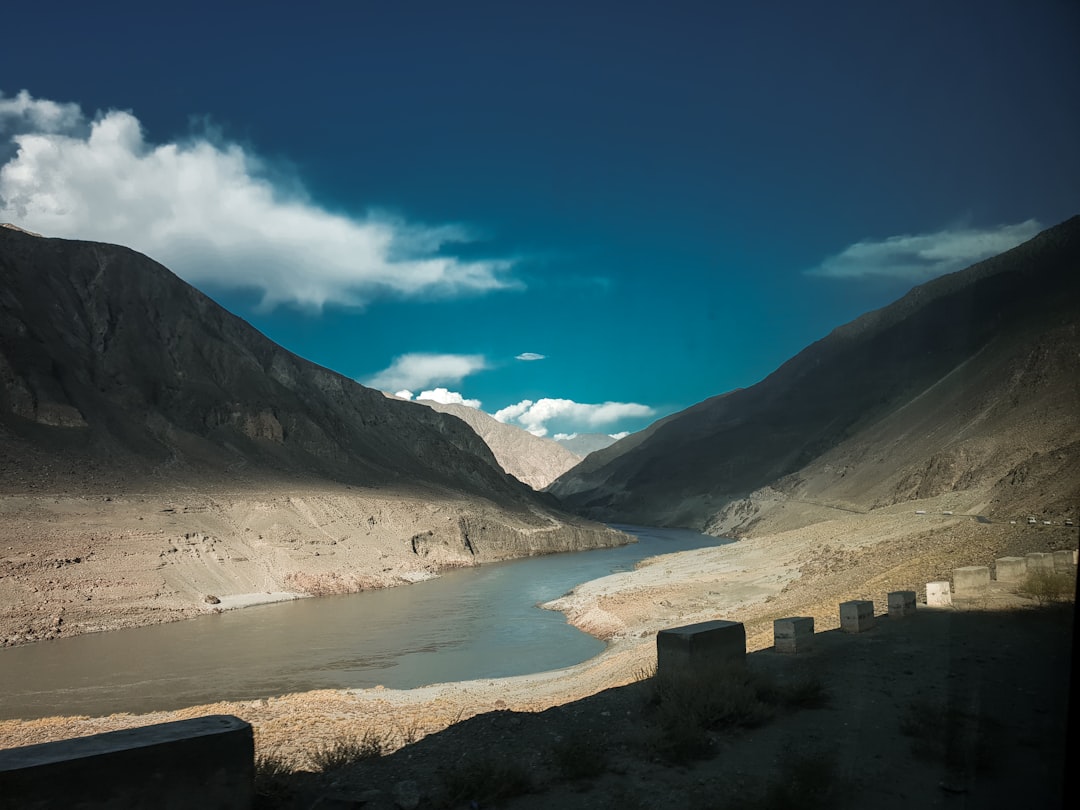
The drive to Hunza Valley (2.5 hours from Gilgit) passes through dramatic gorges with the Hunza River below and mountain walls rising on either side. Stop at Rakaposhi Viewpoint for views of Rakaposhi (7,788m) rising directly from the valley floor — one of the most dramatic single mountain rises in the world.
Hunza Valley (2,438m) — a valley of terraced apricot orchards, ancient forts, and impossible mountain views. Baltit Fort above Karimabad dominates the valley with 700 years of history and views of four 7,000m+ peaks.
Day 5 – Hunza: Forts & Viewpoints
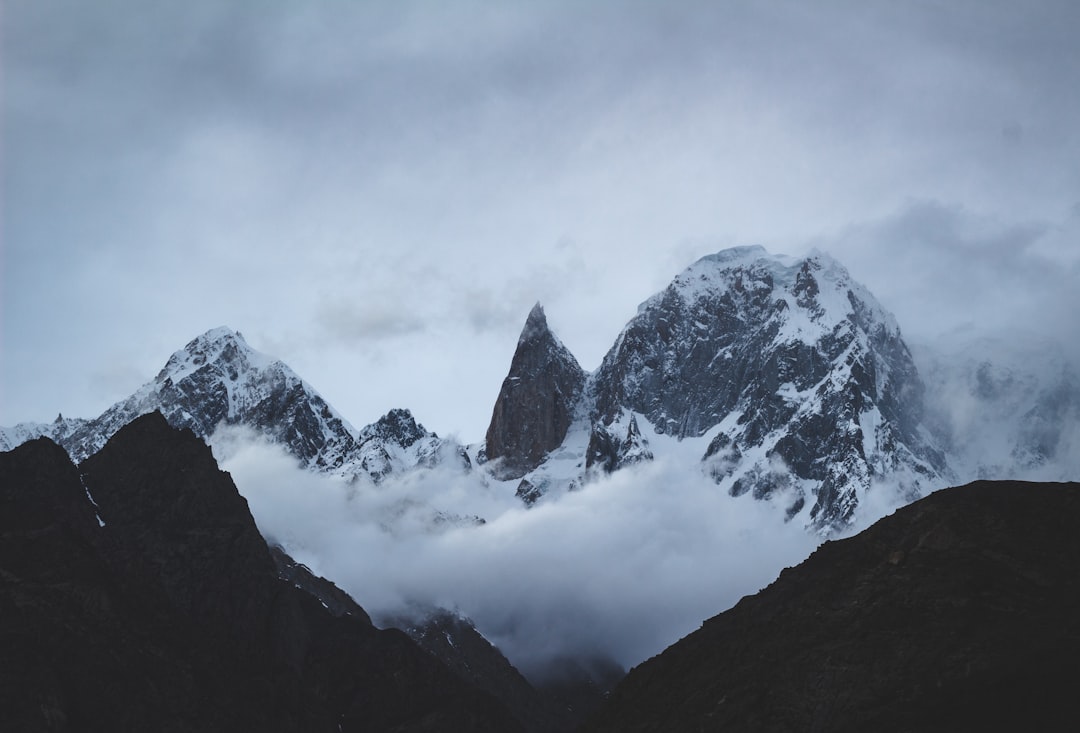
Morning: Baltit Fort — the ancient seat of the Mirs (rulers) of Hunza, a 700-year-old defensive structure above Karimabad with a museum of Hunza royal history and extraordinary mountain views (Rakaposhi, Ultar Sar, and Diran peaks).
Afternoon: Walk to Eagle’s Nest viewpoint (2.5 hours uphill from Karimabad) — at 3,200m, the views over the Hunza Valley with Rakaposhi on one side and Ultar Sar on the other are among the finest mountain panoramas accessible without technical equipment.
The valley is famous for its apricots — in season (June–July), the trees are laden and drying apricots cover every roof. The local fresh apricot juice is extraordinary.
Day 6 – Attabad Lake & Upper Hunza
Drive north along the KKH through the turquoise water of Attabad Lake — created in 2010 when a massive landslide dammed the Hunza River. The tunnels through the mountains built to maintain the road pass through the lake zone. The colour of the water is extraordinary.
Continue to Gojal (Upper Hunza) — the region above Attabad Lake, with a distinctly Central Asian character. Gulmit village and the surrounding landscape — mountains on all sides, glaciers visible — is some of the finest scenery on the KKH.
Return to Karimabad for the night.
Day 7 – Return to Gilgit & Fly to Lahore
Drive back to Gilgit and fly to Lahore (or Islamabad for international connections).
If departing from Islamabad: the Islamabad-Rawalpindi area has the excellent Pakistan Museum of Natural History and the nearby Rawalpindi Old City for a final market experience.
Practical Notes
Safety: Pakistan’s safety situation has improved dramatically in the past decade, particularly for the KKH and northern areas. Check your government’s current travel advisory. The north (Hunza, Gilgit-Baltistan) is generally considered very safe.
Local guide: Strongly recommended for the north — logistics, language, and local knowledge are all important.
Cash: ATMs unreliable in Hunza. Carry Pakistani Rupees (PKR) in cash. €1 ≈ PKR 310.
Best time: May–October for the north. April–June for Lahore (before peak summer heat).
Plan your trip