Peru in February: Inca Trail Closed, Carnaval in Puno, and Deep Rainy Season
Plan your trip
February is Peru’s most dramatic month for a specific reason: the Fiesta de la Candelaria in Puno. The most elaborate festival in South America fills Lake Titicaca’s lakeside city with 200+ dance groups, extraordinary costumes, and ten days of celebration that make Carnaval in Brazil look understated by comparison. For the highlands and Machu Picchu, February is the wettest month of the year — and the Inca Trail is closed entirely. The choice is clear: go to Puno, or wait until May.
Weather & Conditions
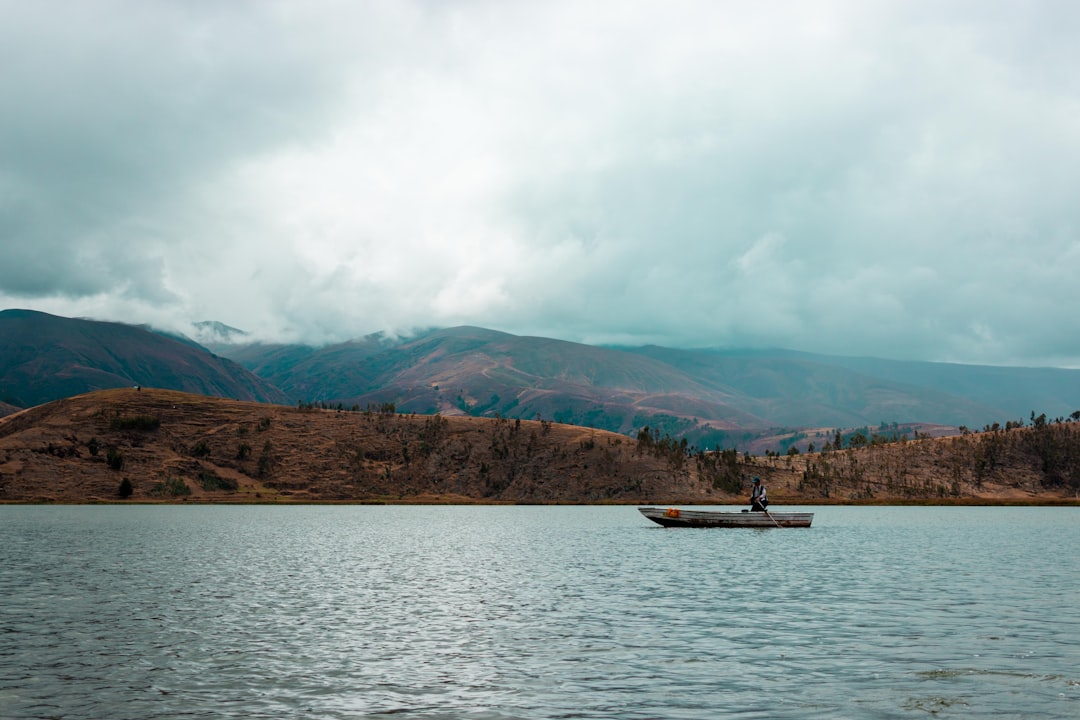
Puno (Lake Titicaca): 8–17°C. Rain is frequent — February is Puno’s wettest month. But the festival runs regardless.
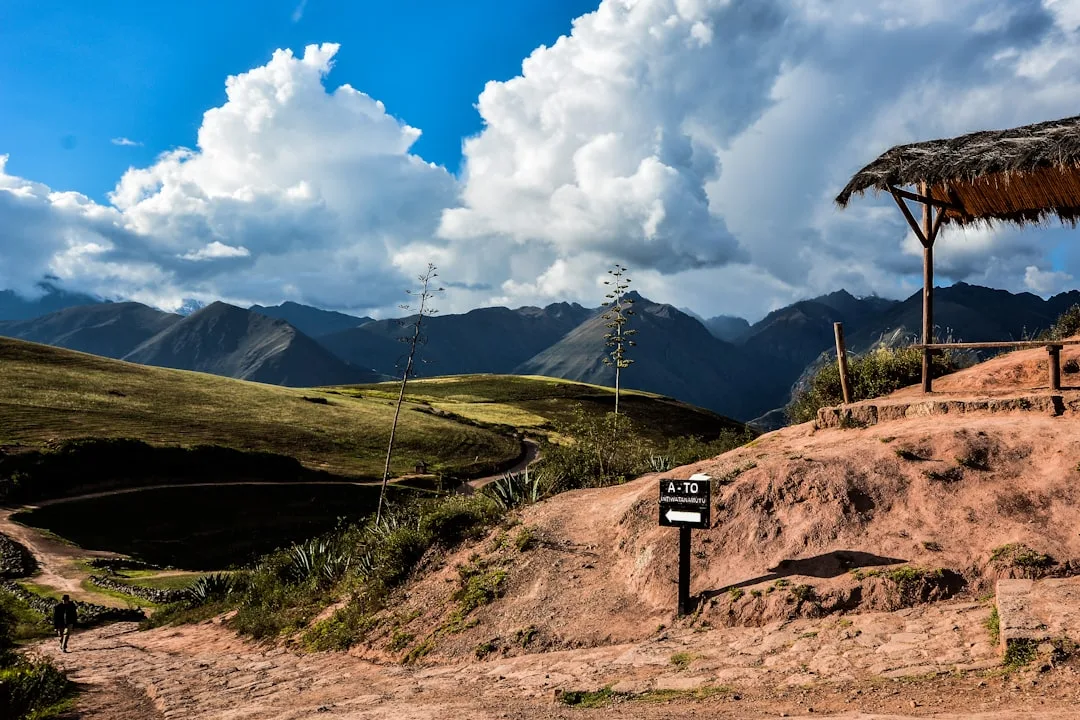
Cusco and the Sacred Valley: 11–20°C. Wettest month. Morning clearing is possible but rain is the dominant pattern.
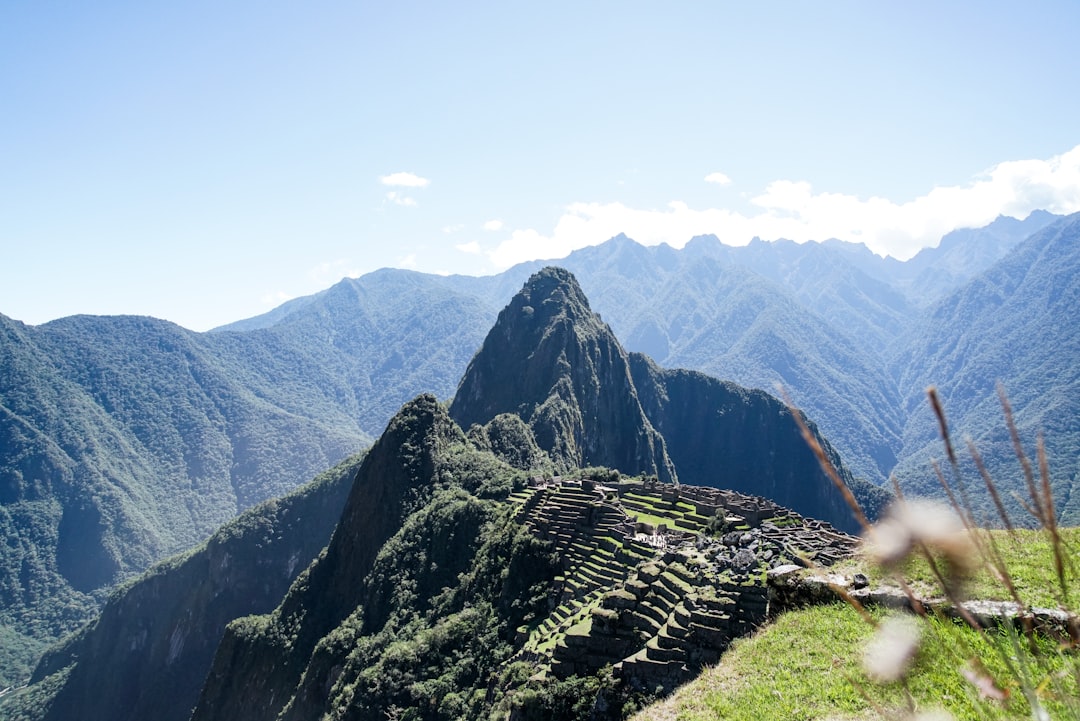
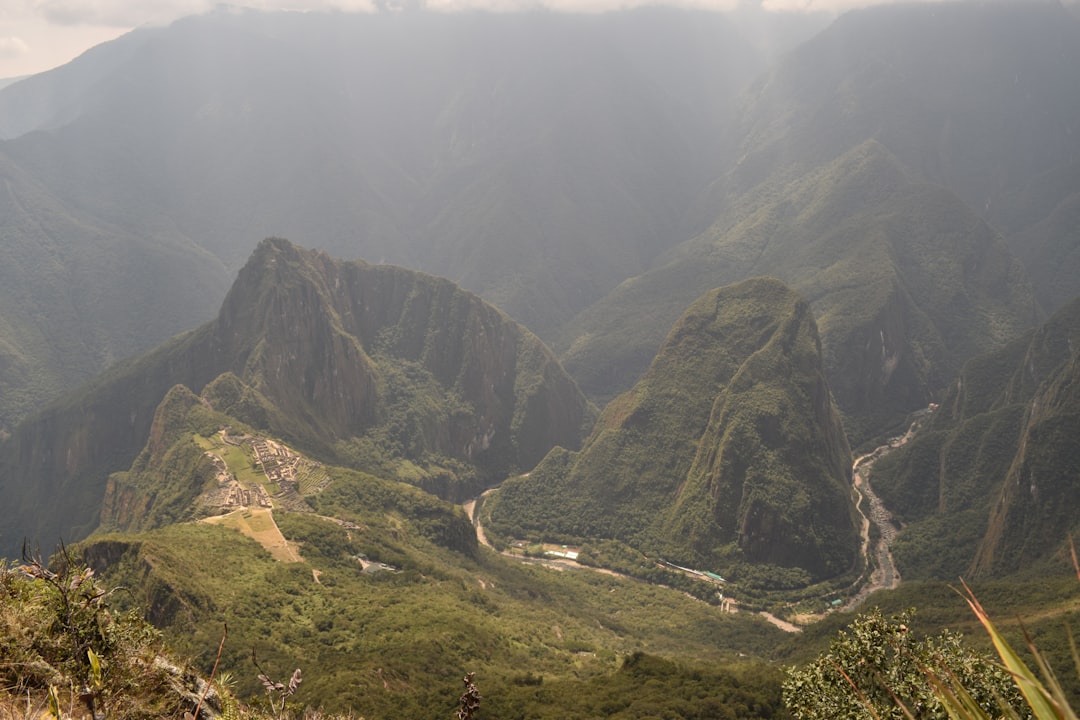
Machu Picchu: 15–22°C, heavy rain and persistent cloud. Still visitable but the Inca Trail closure means access is by train only.
Lima: 18–24°C. Overcast coast, functional city.
Amazon: 28–34°C, full flood season. Pink dolphins visible in flooded forests.
What to Do
Fiesta de la Candelaria, Puno: This is the reason to be in Peru in February. The festival of the Virgin of Candelaria runs for two weeks around February 2. The parade of the first Saturday — with bands and dance groups from across the altiplano — involves 40,000+ performers in elaborate costumes. The 14-day dance competition at the stadium features 200+ groups performing diablada (devil dances), caporales (Bolivian-influenced), and the extraordinary sikuri (panpipe orchestras with 100+ musicians). It’s one of the great cultural spectacles of the Americas.
Alternative treks to Machu Picchu: With the Inca Trail closed, the alternatives become the point: the Salkantay Trek (5 days through the cloud forest and high Andean pass) or the Lares Trek (hot springs, weaving communities, and glaciated peaks). Both reach Aguas Calientes and Machu Picchu. The Salkantay snowcapped peak in cloud is dramatic even in rain.
Amazon Pacaya-Samiria (Iquitos): February is the deep flood season — boats navigate at canopy level through the Pacaya-Samiria. Piranha fishing from small motorized boats, night caiman spotting by headlamp, and giant lily pads (Victoria amazonica) at maximum size. Stays at floating lodges in the floodplain are available from Iquitos.
Colca Canyon (Arequipa region): The Colca Canyon — twice the depth of the Grand Canyon — is accessible from Arequipa year-round. February brings green canyon walls from rain. The condor watching at Cruz del Condor viewpoint is the main event — condors rise on morning thermals and are visible daily in good weather.
Arequipa itself: The “White City” — built from white volcanic sillar stone — is one of Peru’s finest colonial cities. The Santa Catalina Monastery (a city within a city, 3 hectares of 16th-century religious architecture) and the central market are excellent in any weather.
Festivals & Events
Fiesta de la Candelaria (February 1–15, Puno): South America’s most elaborate festival after Carnaval.
Carnaval (variable February or March): Peru’s own Carnaval is celebrated across the country with water balloon fights (particularly in Cusco and Cajamarca), parades, and regional traditions. Cajamarca runs one of Peru’s most authentic Carnaval celebrations.
Practical Tips
Inca Trail February: the trail is officially closed from February 1 to the last day of February for maintenance. No exceptions.
Puno Candelaria accommodation: book 4–6 months ahead for the main festival week (typically Feb 1–15). Hotels in Puno fill completely. Overflow accommodation is available in Juliaca (30 minutes away).
Amazon February: the flooded condition is specifically interesting for wildlife — giant otters, caimans, and river dolphins are most visible from boats in flooded areas. Bring waterproof bags for all electronics.
Who February Is For
Anyone who puts cultural festivals above weather considerations — Candelaria is a genuinely once-in-a-lifetime experience. Amazon travelers specifically seeking the flooded season. And Arequipa city visitors who want the colonial architecture and canyon access without a rainy highland itinerary.
Plan your trip