One Week in Tanzania: The Perfect 7-Day Safari Itinerary
Plan your trip
Tanzania is home to arguably the world’s greatest wildlife spectacle — the Serengeti and its annual Great Migration — plus the extraordinary Ngorongoro Crater, the spice island of Zanzibar, and some of Africa’s most experienced safari guides. Seven days covers the Northern Circuit essentials.
Day 1 – Arusha: Arrival & Briefing
Arrive at Kilimanjaro International Airport (JRO) and transfer to Arusha — Tanzania’s safari capital, a small city nestled between Kilimanjaro and Mount Meru. Your safari operator will brief you on the itinerary, and local guides are assigned.
Explore the Arusha Central Market for Maasai textiles and African crafts. The Cultural Heritage Centre has a good curio market. Light dinner and early sleep before the first safari day.
Day 2 – Tarangire National Park
Drive west (2 hours) to Tarangire National Park — Tanzania’s most underrated park, often skipped by first-time visitors who rush to the Serengeti. Tarangire is famous for extraordinary elephant concentrations (the largest in East Africa during dry season), ancient baobab trees, and a diversity of habitats.
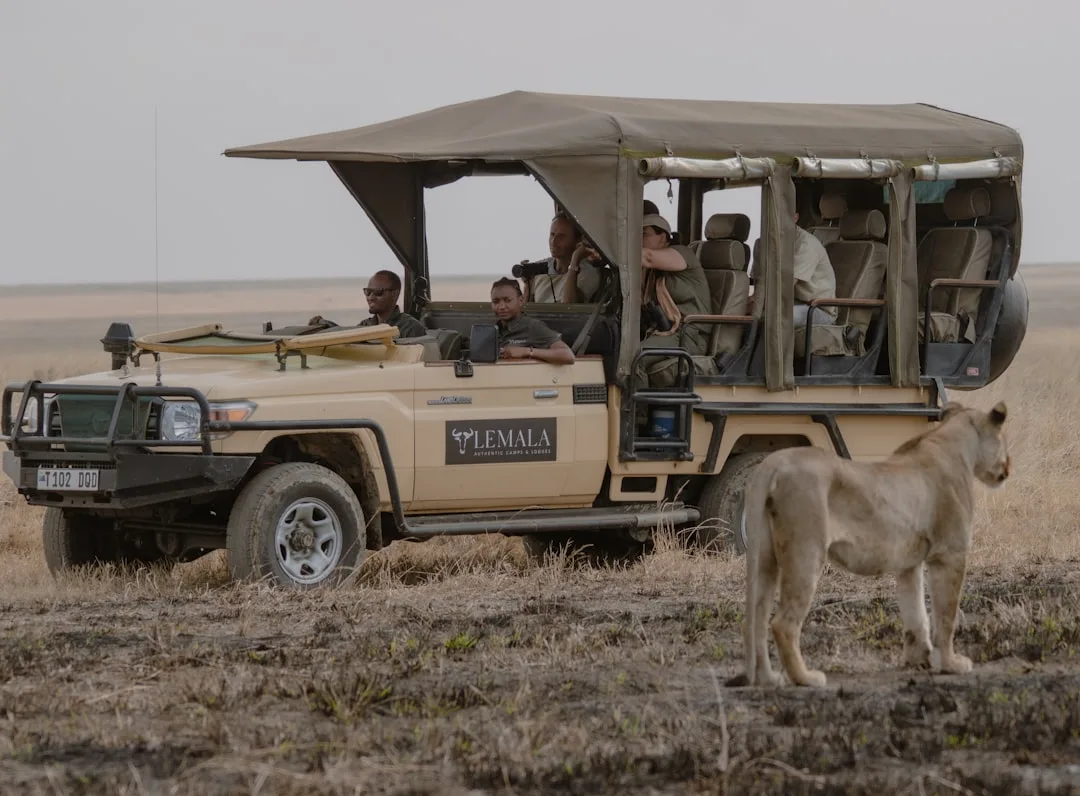
Full day game drive with picnic lunch inside the park. Species regularly seen: African elephants (100+ at a time during dry season), lions, leopard, cheetah, buffalo, and over 500 bird species — including the spectacular lilac-breasted roller and secretary bird.
Night at a camp or lodge near the park boundary.
Day 3 – Ngorongoro Crater
Drive northwest (3.5 hours) to the Ngorongoro Crater — a UNESCO World Heritage Site and the world’s largest intact caldera. A 19km-wide, 600m-deep volcanic crater containing an entire ecosystem: grasslands, forest, lake, and river, all within the crater walls.
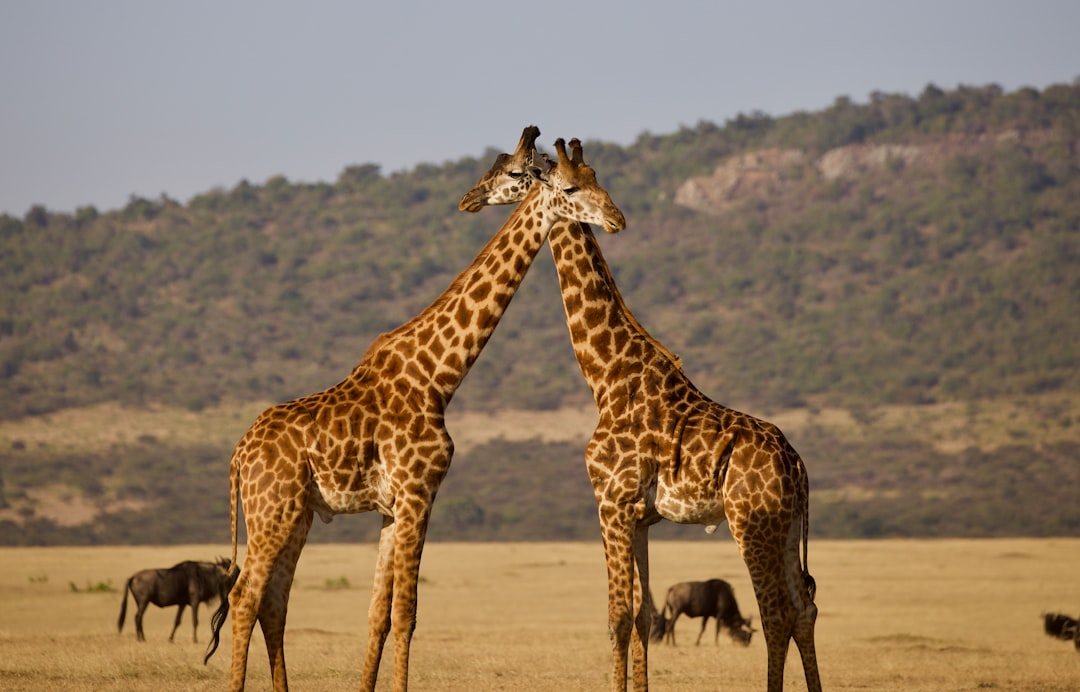
Descend into the crater by 4WD for a full day game drive. The crater is one of the few places in Africa where you can see all of the Big Five (lion, leopard, buffalo, elephant, and black rhino) in a single day. The black rhino population here is one of Africa’s largest and most stable.
Return up to the crater rim for the night — crater views at sunset are extraordinary.
Days 4–5 – Serengeti National Park
Drive into the Serengeti (2.5 hours from Ngorongoro). Tanzania’s largest national park (14,763 km²) is the setting for the most famous wildlife spectacle on earth.
Day 4: Enter the park and begin the game drive — cheetahs on termite mounds scanning the plains, lions sleeping under acacia trees, and the possibility of encountering wildebeest if the migration passes through (see timing below). Full game drive with a tented camp overnight.
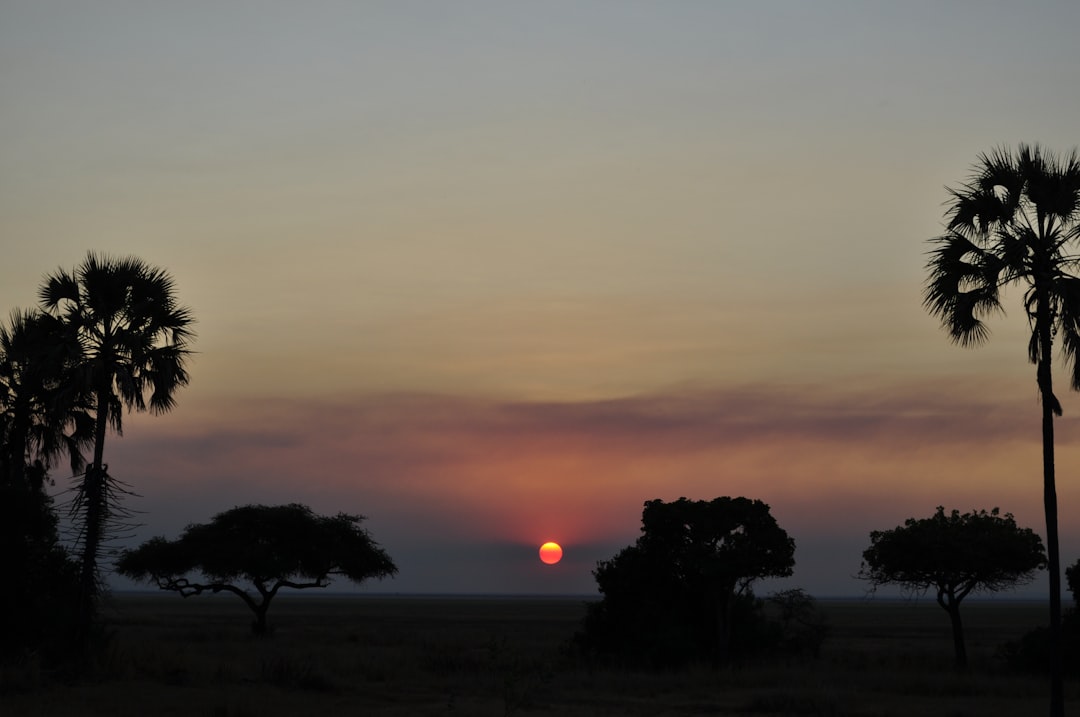
Day 5: Pre-dawn game drive (5:30am) for the best light and most active predator behaviour. Lions often hunt just after dawn. Afternoon drive with a sundowner drink in the bush — wine watched under an acacia tree while the sun sets over the Serengeti plains.
Day 6 – Serengeti: Hot Air Balloon (Optional)
An early morning hot air balloon safari over the Serengeti is one of Africa’s most extraordinary experiences — floating at 100m over a hippo pool, watching lions below, and landing for a champagne bush breakfast. Pre-book through your operator (€400–500/person, but genuinely extraordinary).
Afternoon: final game drive before driving or flying to Arusha/Kilimanjaro Airport for the flight to Zanzibar.
Day 7 – Zanzibar: Stone Town & Beach
Fly to Zanzibar (1 hour from Dar es Salaam, or 40 min from Arusha via direct charter). Stone Town — the UNESCO-listed historic quarter of Zanzibar City — is an extraordinary layered city of Arabic, Persian, Indian, and African architecture, trading history, and the legacy of the Indian Ocean spice trade.
Forodhani Gardens on the waterfront fills with food stalls every evening — fresh seafood grilled to order, Zanzibari flatbread, and urojo (Zanzibar mix soup). The most atmospheric street food market in East Africa.
Take a spice tour to one of Zanzibar’s working spice plantations — walking among clove, cinnamon, vanilla, cardamom, and nutmeg trees, tasting everything.
Beach afternoon at Nungwi (north) or Paje (east coast) — turquoise Indian Ocean water and white sand.
Practical Notes
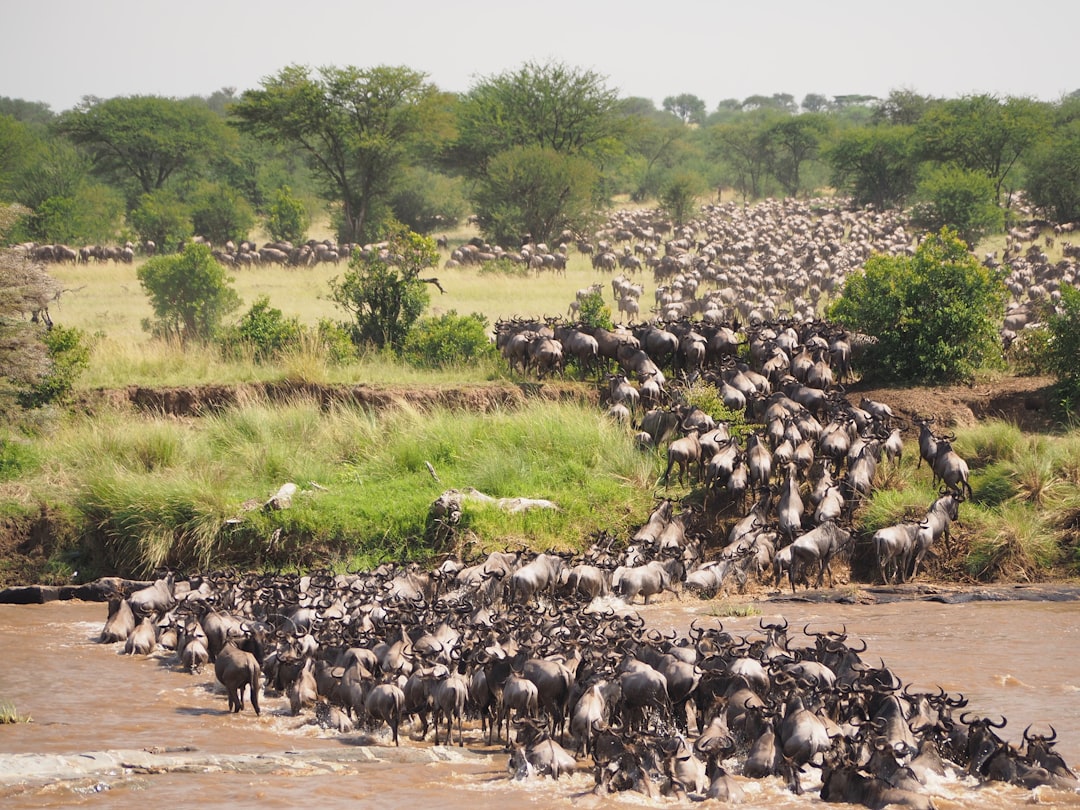
The Great Migration: The wildebeest migration (1.5 million animals plus zebra and gazelle) moves clockwise around the Serengeti year-round. River crossings (the most dramatic spectacle) happen in the northern Serengeti July–October. The calving season (February) in the southern Serengeti is equally spectacular in a different way.
Safari operators: Always use a licensed, reputable operator. TATO (Tanzania Association of Tour Operators) has a verified member list.
Yellow fever vaccine: Required for entry if arriving from a country with yellow fever risk.
Currency: Tanzanian Shilling (TZS). USD widely accepted for tourist services. €1 ≈ TZS 2,700.
Plan your trip