Goshuincho: The Japanese Temple Stamp Book
Plan your trip
At the stamp office of most significant shrines and temples in Japan, you can present a small accordion-fold book and a priest or monk will write your name, the date, the shrine’s seal, and the name of the deity in brushed calligraphy directly onto the page — all while you wait, usually for ¥300–500. The result is a goshuin: a handwritten stamp combining an ink seal with live calligraphy, specific to that shrine, on that date.
Collect enough of these and you have a goshuincho: a personal record of every significant sacred site you’ve visited in Japan, rendered in brushed ink.
What a Goshuin Is
The goshuin consists of several elements applied together:
- Red ink stamp (in): the circular or square seal of the shrine or temple, often featuring the deity’s name or shrine crest
- Brushed calligraphy: the name of the deity or temple, written by hand in black ink
- Date: the date of your visit, written in Japanese era calendar format (reiwa being the current era)
- Additional stamps: many shrines add a second or third stamp mark in different colors
No two goshuin are identical. The handwriting varies by priest, the date is always current, and different calligraphers at the same shrine write the deity’s name differently. The goshuin you receive at Fushimi Inari on a Tuesday in March looks different from the one received by another visitor on Friday in October — the priest’s hand, the ink absorption of the paper, the specific moment.
The Goshuincho Book
The book itself is an accordion-fold construction (orihon format) — not bound like a Western notebook but folded back and forth in a zigzag, so each page unfolds from the previous. When fully extended, it becomes a continuous strip of alternating pages. This format allows the book to be presented open at a specific page, and allows the full collection to be displayed unfolded.
Where to buy: At most major shrines and temples (look for the stamp office — often labeled goshuin in Japanese, or the shamusho office). Also at stationery shops, bookstores, and some general retailers.
Sizes: Standard size (approximately A6) is most common. Larger dai-size books allow more ambitious calligraphers more room to work. Smaller travel-size books exist but limit the calligrapher.
Covers: Goshuincho covers range from plain fabric in traditional colors to illustrated designs specific to particular temples or regions. Ise Jingu sells goshuincho with specific shrine iconography; Kinkaku-ji (Golden Pavilion) has its own design. Many people buy a book at the first significant shrine they visit and use that location’s design throughout.
Price: ¥1,000–3,000 for the blank book; ¥300–500 per goshuin stamp.
How to Collect
- Present your open book to the stamp office (goshuin-jo or shamusho), open to the next blank page spread
- Pay the fee (most commonly ¥300–500, sometimes ¥500–1,000 for special or limited editions)
- Wait — the calligrapher will complete the goshuin on the spot, typically 2–5 minutes
- Receive the book back — sometimes they’ll let it dry, sometimes they’ll place paper between pages to prevent smearing
What to say: At the office window, presenting the open book is usually sufficient. If needed: “Goshuincho, onegaishimasu” — “Goshuin book, please.” Most shrine offices recognize the request immediately.
Paper quality: The accordion pages absorb ink differently depending on the paper grade. Cheaper goshuincho may bleed or wrinkle after multiple stamps. Better books (¥1,500+) use appropriate washi paper that accepts calligraphy cleanly.
Special and Seasonal Goshuin
Many shrines and temples offer limited-edition goshuin — seasonal designs issued only during cherry blossom season, autumn foliage, specific festivals, or major events. These often involve additional artistic elements: printed background designs, seasonal imagery, or colored ink alongside the standard black calligraphy.
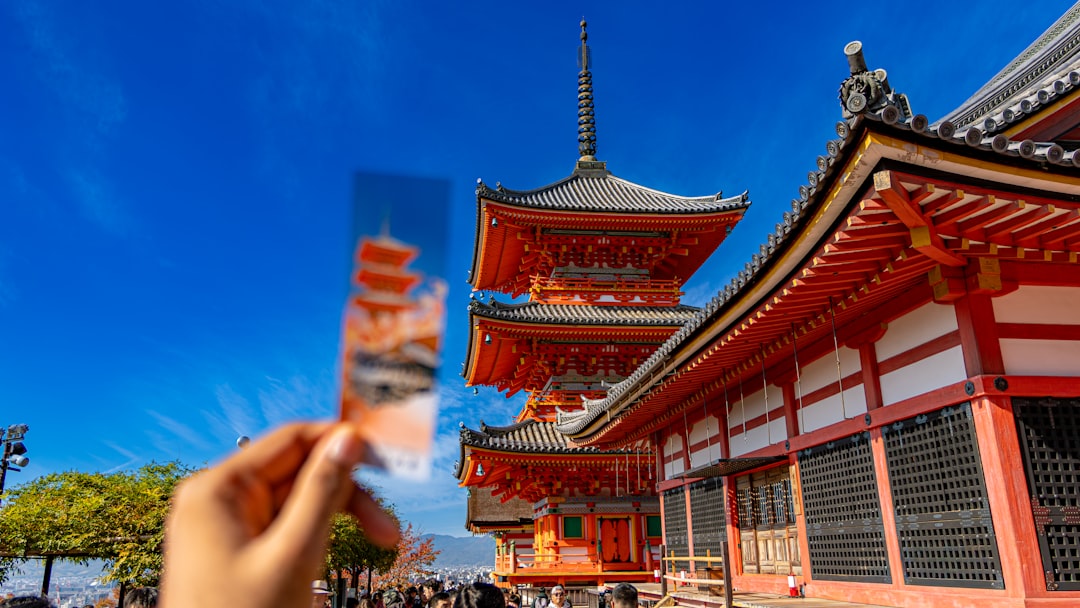
Goshuin-cho paper slips (kakidashi-type): Some temples now offer pre-written goshuin on separate paper slips, intended to be glued into the goshuincho later. This system emerged when specific famous temples became overwhelmed with stamp-seekers during peak tourist seasons, creating hour-long queues. Some purists prefer not to glue slips; for practical purposes the pre-written slips allow access to popular temples’ goshuin without waiting.
Specific noteworthy goshuin locations:
Ise Jingu (Mie) — The goshuin at the Naiku and Geku grand sanctuaries are exceptionally restrained — minimal calligraphy, a single large seal, the date. The simplicity is specifically Ise.
Kumano Hongu Taisha (Wakayama) — One of the most sought-after goshuin in Japan, the combination of the Oyunohara giant torii stamp and the Hongu seal is considered among the best compositions.
Kinkaku-ji (Kyoto) — Heavy tourist volume means the goshuin is sometimes pre-stamped and handed out rather than written live, but the design is excellent.
Senso-ji (Tokyo) — Available at the Senso-ji stamp office; the combination of the main hall seal and date calligraphy is clear and well-executed.
Fushimi Inari Taisha (Kyoto) — The vermilion Inari seal is immediately recognizable; the calligraphy here tends toward the bold.
Kotoku-in / Great Buddha (Kamakura) — The Amida Buddha stamp is one of the more graphically striking.
Shrine vs Temple Goshuin
Both Shinto shrines (jinja) and Buddhist temples (tera/ji) issue goshuin. The aesthetic differences are visible:
Shrine goshuin tend toward the seal-centric, with the torii gate or mon crest visible in the stamp design. The calligraphy often names the specific kami (deity) enshrined.
Temple goshuin often incorporate Sanskrit characters (bonji), the temple’s founding era, or Buddhist iconographic elements. Zen temples tend toward more restrained calligraphy; esoteric Buddhist temples (Shingon, Tendai) may include Sanskrit seed syllables or mandala elements.
Goshuincho as Practice
The collecting practice has roots in the Edo period, when pilgrims completing the 88-temple Shikoku Henro circuit or the Saikoku Kannon pilgrimage collected stamps as physical proof of completion. The modern goshuincho broadens this — any significant shrine or temple visit can be recorded, and there is no required sequence.
The result, over the course of a Japan trip or multiple trips, is an irreproducible record. The goshuincho of someone who has visited Ise, Koyasan, the Kumano Kodo shrines, Nikko, Izumo Taisha, and a dozen other sites contains a specific visual and calligraphic history that no photograph album replicates — not because photographs are inadequate, but because the goshuin is handmade, dated, and produced in the presence of the place.
The first goshuin is the hardest — presenting the book, not knowing how the exchange works, waiting while the priest writes. After the first one, the practice becomes intuitive. By the third or fourth, you’re watching what the calligrapher does with the brush, noticing whether this priest writes the deity’s name differently from the last shrine, and thinking about which page you’ll fill next.
Plan your trip