Peru Practical Guide: Visas, Altitude, Transport & Costs
Plan your trip
Peru is an accessible country with well-developed tourism infrastructure around the key sites, but understanding the altitude situation, the permit system for the Inca Trail, and the transit logistics around Lima makes the difference between a smooth trip and a frustrating one. The country has become significantly more expensive over the past decade — it is no longer a ultra-budget destination, though it remains good value by European and North American standards.
Visas
Visa-free entry: Citizens of the US, UK, EU, Canada, Australia, Japan, and most Latin American countries enter Peru visa-free for 90 days. A return ticket may be required as proof of onward travel.
Passport validity: Must be valid for at least 6 months from the entry date.
Extension: Possible at the Peruvian immigration office (Migraciones) in Lima, Cusco, or other cities for an additional 90 days (one extension per year).
Altitude — The Central Challenge
Peru’s major tourist sites are at significant elevation:
- Lima: Sea level
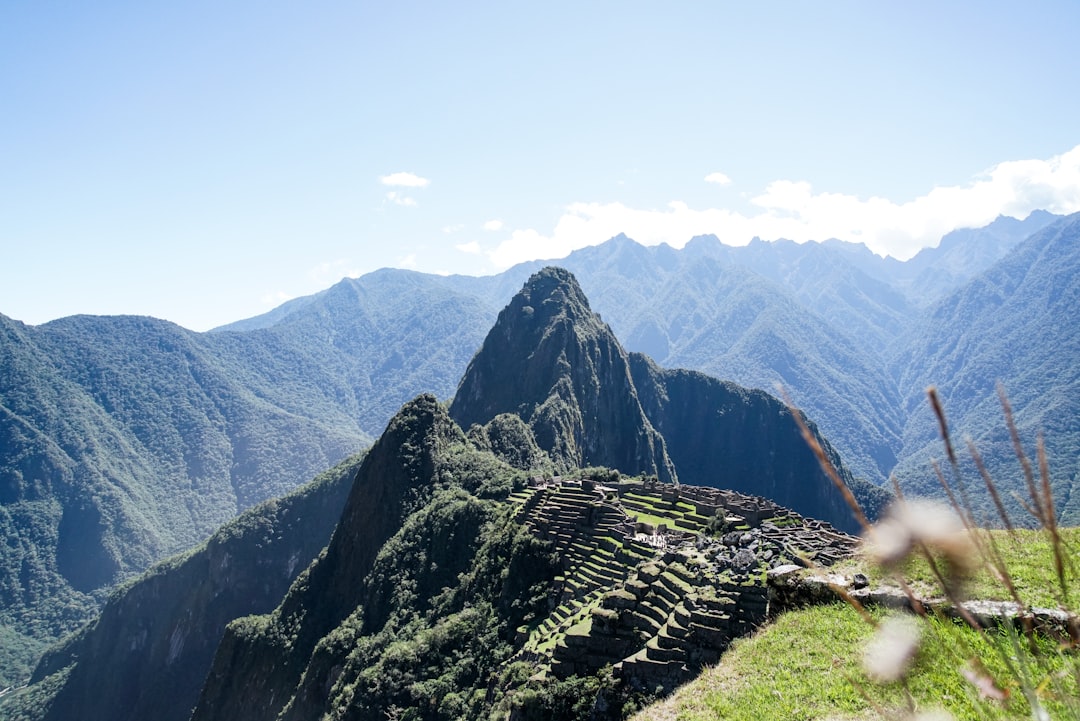
- Machu Picchu: 2,430 m
- Sacred Valley: 2,700–2,900 m
- Cusco: 3,400 m
- Puno / Lake Titicaca: 3,812 m
- Colca Canyon: 4,900 m (highest point)
Acclimatization strategy: The recommended approach is to ascend gradually — spend 1–2 nights in the Sacred Valley (2,700 m) before moving to Cusco (3,400 m). Visit Machu Picchu (lower than Cusco) before ascending to Cusco. Puno and Lake Titicaca require an additional day of adjustment after Cusco.
Symptoms of Acute Mountain Sickness (AMS): Headache, fatigue, nausea, dizziness, difficulty sleeping. Mild AMS resolves with rest and hydration. Severe symptoms (confusion, loss of coordination, severe breathlessness at rest) require immediate descent.
Treatments:
- Mate de coca: Widely available; helps with mild symptoms
- Acetazolamide (Diamox): Prescription in most countries; widely available over-the-counter in Peru. Take 250 mg twice daily starting 24 hours before ascent
- Sorojchi pills: Peruvian OTC equivalent; available at any farmacia
- Ibuprofen: Effective for altitude headache
Transport
Domestic Flights
LatAm, Avianca, and Sky Airline connect Lima with Cusco (1.5 hours), Arequipa (1.5 hours), Iquitos (2 hours), and Puerto Maldonado (1.5 hours). Lima–Cusco booked in advance: $60–150. Book at latamairlines.com or through Despegar.com (Peruvian equivalent of Expedia).
The Lima domestic terminal (Jorge Chávez International) handles both international and domestic flights — allow 2.5 hours for connections between international arrivals and domestic departures.
Long-Distance Buses
Peru’s bus network is extensive and comfortable at the upper end:
- Cruz del Sur: The most reliable operator — semi-cama (reclining seats) and cama-suite (flat beds) classes. Lima to Cusco (21 hours), Lima to Arequipa (15 hours), Arequipa to Puno (6 hours)
- Oltursa: Second tier; similar routes and quality
- Price: Lima–Cusco bus S/70–180 depending on class
Train (PeruRail and Inca Rail)
The main rail lines are:
- Cusco/Ollantaytambo–Aguas Calientes: For Machu Picchu (see Machu Picchu guide)
- Cusco–Puno: The Andean Explorer luxury train through the altiplano (12 hours, $300–500 per person; a genuine tourist experience, not just transport)
Costs
Peru is moderately priced:
- Street food (ceviche at market, lomo saltado): S/15–30
- Mid-range restaurant meal: S/40–80
- Fine dining (pre-reservation restaurants): S/150–400
- Lima–Cusco flight (advance booking): S/150–400
- Budget hotel: S/60–120/night
- Mid-range hotel: S/200–400/night
- Machu Picchu entry: S/152
- Inca Trail (4-day, all-inclusive with agency): $700–1,200
Lima vs. Cusco: Lima’s restaurants are generally more expensive than Cusco’s (the fine dining cluster is in Lima). Accommodation is comparable.
Safety
Lima: Exercise standard urban precautions. Miraflores, San Isidro, and Barranco are safe for walking. Avoid the Centro Histórico at night. Taxis: use InDriver or Beat apps rather than street taxis.
Cusco: Pickpocketing around the Plaza de Armas and at the Pisac market is common. Keep phones in inside pockets; use a small daypack without external pockets.
Hiking trails: The Inca Trail is well-managed and safe; going with a licensed operator is mandatory. For other trails, hiring a local guide is recommended.
When to Go
- May–October: Dry season — the recommended window for Machu Picchu, the Inca Trail, Lake Titicaca, and the Amazon. June–August is peak season
- November–April: Rainy season — Machu Picchu terrace plants are green; fewer trekkers; some trails and roads are affected. The Amazon is navigable year-round but flooding season (December–April) offers flooded forest experiences
- Shoulder season (May, October): The best combination of good weather and manageable crowds
Plan your trip